
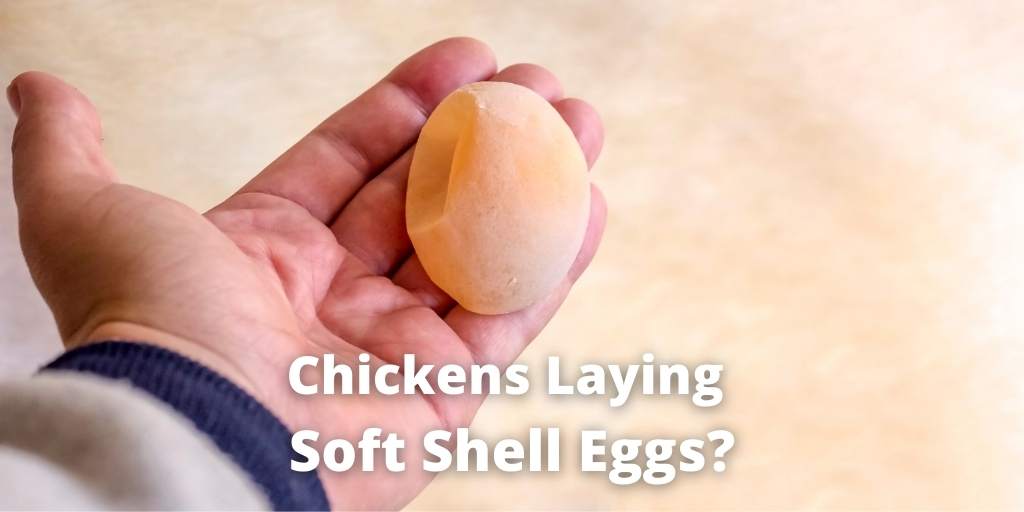
One soft-shell chicken egg is not always a problem.
I pay much more attention when the same hen keeps laying soft eggs or when several birds in the flock start doing it at the same time. That pattern tells you a lot more than one odd egg from a young pullet.
Calcium matters, but it is only one part of the picture. Feed quality, vitamin D3, phosphorus, heat, age, stress, reproductive timing, and disease can all affect shell formation.
Soft-Shelled, Shell-Less, and Thin-Shelled Eggs Are Not the Same
These terms are often mixed together, but they describe slightly different problems.
- Shell-less egg: The contents are held mainly by the shell membranes, with little or no mineral shell around them.
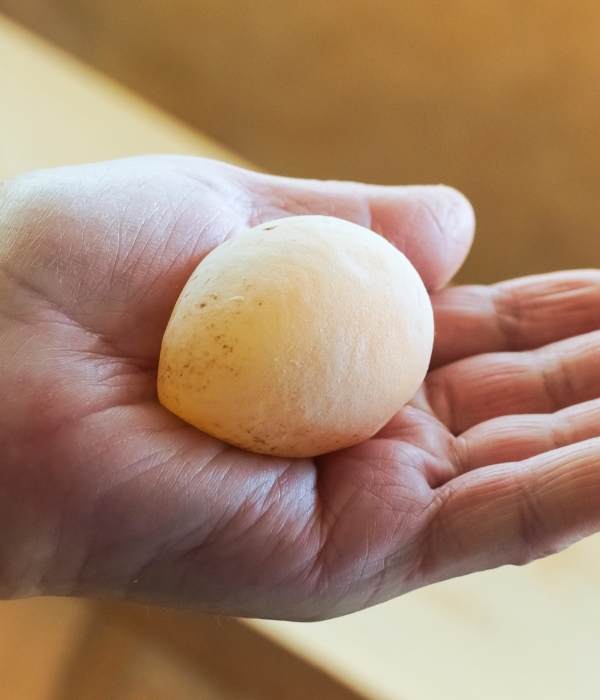
- Soft-shelled egg: Some calcium has been deposited, but the shell is flexible, rubbery, or paper-like.
- Thin-shelled egg: A real shell is present, but it is unusually weak and cracks easily.
That distinction matters because a truly shell-less egg has a much weaker protective barrier than a normal egg.
How a Chicken Eggshell Forms
The hard shell is formed mainly in the uterus, also called the shell gland, near the end of the egg’s trip through the oviduct.
Shell formation takes many hours. During that time the hen deposits mostly calcium carbonate around the egg. She needs enough calcium available, but she also needs the rest of the nutritional system working properly, especially phosphorus and vitamin D3.
If an egg moves through the reproductive tract too quickly, or the shell gland is disrupted, the hen may lay before enough shell material has been deposited.
Common Reasons Chickens Lay Soft-Shelled Eggs
 Share on Pinterest
1. A Young Pullet Is Still Getting Into Rhythm
If a pullet has only recently started laying, an occasional strange egg does not surprise me much. Her reproductive system is still settling into a regular cycle.
You may see tiny eggs, shell-less eggs, double yolks, or a soft shell during those early weeks. If she is otherwise bright, eating, and drinking and soon returns to normal eggs, I would monitor rather than panic.
Our guide to when chickens start laying explains what is normal around the beginning of lay.
2. The Diet Is Too Low in Calcium
Laying hens need much more calcium than chicks or growing pullets. A proper commercial layer ration is usually formulated at roughly 3.5% to 4.5% calcium, not 12%.
If your hens are eating a complete layer feed, do not assume the feed is automatically deficient. First check how much of the flock’s appetite is being taken up by scratch grains, treats, kitchen scraps, or other extras.
A hen can have excellent layer pellets in the feeder and still dilute her diet if she spends half the day filling up on extras. Our chicken scratch guide explains why scratch should stay a small part of the diet.
When extra calcium is appropriate, coarse oyster shell can be offered separately to laying hens. See our oyster shell for chickens guide for the practical setup.
3. Vitamin D3 or Phosphorus Is Out of Balance
Calcium cannot do its job alone.
Vitamin D3 is required for normal calcium and phosphorus absorption and metabolism. Merck Veterinary Manual notes that vitamin D3 deficiency can cause poor shell quality even when the diet contains enough calcium and phosphorus.
This is another reason I would not immediately start pouring extra calcium into the feed. If the complete diet is unbalanced, stale, badly stored, or being heavily diluted with extras, the problem may be broader than calcium.
4. Hot Weather Is Cutting Feed Intake
Soft and thin shells often show up more during hot weather.
When hens eat less because of heat, they also take in less calcium, phosphorus, protein, vitamins, and energy. Heat stress can therefore affect shell quality even when the feed itself is perfectly good.
If shell problems start during a heat wave, look at water access, shade, airflow, feeder placement, and whether the birds are actually eating enough complete feed. Our guide to keeping chickens cool in summer covers the practical fixes.
5. Stress or Premature Laying
An egg sometimes reaches the end of the reproductive tract before the shell has finished mineralizing.
Rough handling, flock disruption, predators, sudden environmental changes, or other stressors can interfere with the normal laying cycle. Merck also notes that abnormal eggs are more common when hens experience stressful management conditions.
If the flock has recently been moved, mixed, frightened, or otherwise unsettled, give that context some weight. Our stress in chickens guide can help you work through the likely triggers.
6. Age Can Change Shell Quality
Older hens often lay larger eggs, and maintaining shell strength over a larger surface area can become harder.
That does not mean every thin shell in an older hen is normal, but age is worth considering when the diet and flock health otherwise look good.
7. Disease Can Affect the Shell Gland
This is the reason I pay attention when several hens suddenly begin laying abnormal eggs at once.
Merck lists infectious bronchitis, egg drop syndrome, Newcastle disease, avian pneumovirus, and avian influenza among viral diseases associated with increased abnormal egg production, including soft-shelled eggs.
Do not diagnose a flock from shell quality alone. But if soft eggs appear together with coughing, sneezing, nasal discharge, reduced appetite, neurological signs, a sharp drop in egg production, or several sick birds, contact a veterinarian or poultry diagnostic service.
What to Do When a Hen Lays a Soft-Shelled Egg
For one isolated soft egg, I would keep the response simple.
- Check that the hen is bright, alert, eating, drinking, and moving normally.
- Make sure the flock’s main ration is an appropriate complete feed.
- Cut back excessive scratch and treats if they are crowding out the balanced ration.
- Make sure laying hens have access to a suitable calcium source such as oyster shell if you use one.
- Check water availability and heat stress.
- Watch the next several eggs.
If the problem repeats, start looking for the pattern rather than adding supplement after supplement.
Should You Give More Calcium Right Away?
Not automatically.
If the hen is on a balanced layer ration and already has free-choice oyster shell available, repeatedly increasing calcium may not solve the cause.
Look at total feed intake, vitamin D3, heat, stress, age, and illness. Calcium deficiency is real, but soft eggs are not a home test that tells you exactly which nutrient is missing.
I would also avoid high-calcium supplements for chicks and growing pullets. Their needs are very different from those of laying hens, and chronically high calcium can damage the kidneys in immature birds.
If you are unsure which ration fits which age, our feeding chickens guide is the better starting point.
Can You Feed Crushed Eggshells Back to Hens?
Yes. Eggshell itself is rich in calcium carbonate and can be reused as a supplemental calcium source.
I would let the shells dry thoroughly and crush them before offering them in the calcium feeder. Oyster shell is often simpler because you can keep a steady supply available without depending on how many kitchen shells you save.
Feeding dried, crushed shells is not “wasting” them. It is simply recycling a calcium source back to the laying flock.
Can You Eat a Soft-Shelled Egg?
I would discard a shell-less egg or one with a leaking, torn, or obviously compromised membrane rather than use it for human food.
A normal shell is part of the egg’s physical protection. USDA notes that bacteria can enter through shell pores and that cracked eggs need extra food-safety care. A shell-less or badly soft egg has even less protection from contamination during laying and collection.
If an egg has a complete shell that is merely thinner than usual and remains clean and uncracked, handle it carefully, refrigerate it promptly, and cook it thoroughly. But I would not give a blanket “soft eggs are perfectly safe” recommendation.
When Repeated Soft Eggs Need More Attention
I would investigate further when soft or shell-less eggs continue for several days, keep returning from the same established hen, or appear in several hens at once.
Also pay attention to the bird herself. Weakness, repeated straining, an abnormal stance, reduced appetite, a swollen abdomen, breathing problems, neurological signs, or a sudden flock-wide drop in laying are all reasons to stop treating this as a simple calcium question.
A hen that is actively straining or unable to pass an egg may be dealing with a reproductive emergency. Our egg-bound chicken guide explains the warning signs, but a seriously unwell bird needs veterinary help.
FAQs About Soft-Shelled Chicken Eggs
Why is my chicken suddenly laying soft-shelled eggs?
A single soft egg can happen when a young pullet is starting to lay or when an egg moves through the reproductive tract too quickly. Repeated soft eggs can also be linked with calcium, vitamin D3 or phosphorus problems, heat stress, age, stress, poor feed intake, or disease.
Does a soft egg always mean calcium deficiency?
No. Calcium deficiency is one possible cause, but vitamin D3, phosphorus balance, heat stress, premature laying, age, stress, and some infectious diseases can also affect shell formation.
What should I feed a hen laying soft-shell eggs?
Start with an appropriate complete layer ration and make sure treats or scratch are not displacing it. Laying hens can also have access to a separate free-choice calcium source such as oyster shell. Do not keep adding supplements without checking the rest of the diet and the hen’s health.
Can heat cause chickens to lay soft-shell eggs?
Yes. Hens often eat less during hot weather, so they may take in less calcium and other nutrients. Heat stress itself can also disrupt production. Fresh water, shade, airflow, and maintaining complete-feed intake are important during hot weather.
Can I eat an egg with a soft or missing shell?
I would discard a shell-less, leaking, or torn soft egg because its protective barrier is compromised. An intact egg with a complete but unusually thin shell is different, but it should be refrigerated promptly, handled carefully, and cooked thoroughly.
When should I worry about repeated soft-shell eggs?
Investigate when the problem keeps recurring, affects several hens, or appears with reduced appetite, respiratory signs, weakness, neurological signs, a swollen abdomen, repeated straining, or a sudden drop in egg production. Those patterns may indicate more than a simple calcium issue.
Final Thoughts
If I find one soft egg under the roost or in a nest box, I do not immediately start changing everything.
I look at the hen’s age, whether she is new to laying, what the flock is actually eating, whether oyster shell is available, and whether the weather has been unusually hot. Then I watch what happens next.
Repeated soft eggs are different. That is when I start looking harder at the complete diet, vitamin and mineral balance, stress, disease signs, and reproductive health. A very different abnormal finding, a lash egg, can be associated with reproductive tract disease and needs veterinary attention. Calcium matters, but the best answer is usually found by looking at the whole hen, not just the shell.
Sources
- University of Georgia Extension: A Dozen Egg Abnormalities
- Mississippi State Extension: Contents of a Chicken Egg
- Merck Veterinary Manual: Defective or Abnormal Eggs in Poultry
- Merck Veterinary Manual: Vitamin Deficiencies in Poultry
- Merck Veterinary Manual: Mineral Deficiencies in Poultry
- USDA FSIS: Is It Safe to Use Eggs That Have Cracks?
