
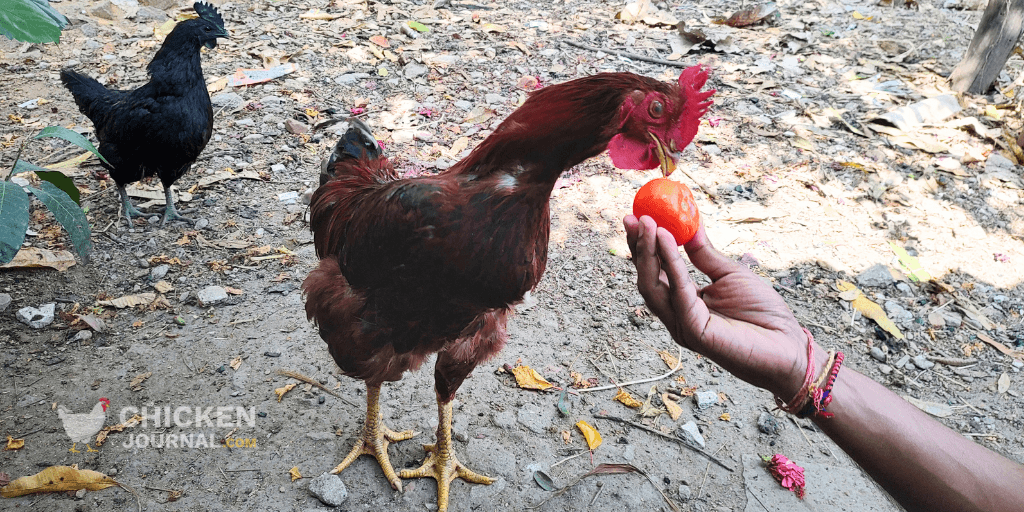
Yes, chickens can eat ripe tomatoes. If I have a cracked or overripe garden tomato that is still fresh and mold-free, my flock is usually happy to clean it up.
The important distinction is the plant itself. Fully ripe tomato fruit is a reasonable occasional treat, while the leaves, stems, flowers, and immature green fruit contain much higher levels of defensive glycoalkaloids, especially alpha-tomatine. Other garden produce has different hazards; compare our guidance on avocados and chickens. I would not intentionally feed those green parts to chickens.
Tomatoes should still be treated as an extra, not as a source of complete nutrition. Your flock’s main diet should be an age-appropriate, nutritionally complete poultry feed.
Also read: Chicken Treats List: What Chickens Can and Cannot Eat
Quick Tomato Safety Guide for Chickens
| Tomato part or form | Feed it? | Practical advice |
|---|---|---|
| Fully ripe tomato flesh | Yes | Offer occasionally as a treat |
| Ripe tomato skin | Yes | No need to peel it |
| Ripe tomato seeds | Yes | They can be eaten with the fruit |
| Cherry or grape tomatoes | Yes | Ripe fruit is fine; cut for very small birds if needed |
| Plain cooked ripe tomato | Yes | Keep it free of excess salt and seasoning |
| Immature green tomato | Best avoided | Contains much more alpha-tomatine than ripe fruit |
| Leaves and vines | No | Do not intentionally feed them |
| Stems and calyxes | No | Remove them before serving fruit |
| Tomato flowers | No | Keep them with the plant, not in the treat bowl |
| Moldy or spoiled tomato | No | Discard it |
| Seasoned tomato sauce | Usually no | Fresh ripe tomato is a better choice |
Can Chickens Eat Ripe Tomatoes?
 Share on Pinterest
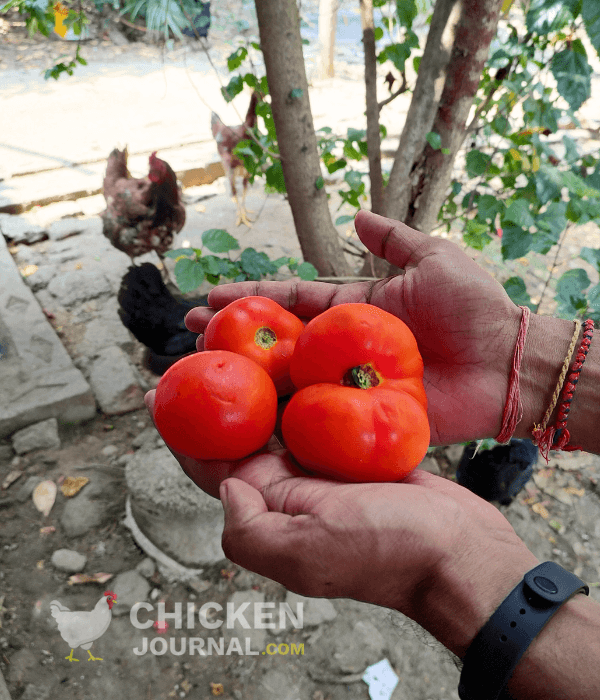
Fully ripe tomatoes are the part of the plant I am comfortable offering to a healthy flock. Red is the easiest ripeness cue for common varieties, but ripe tomatoes can also be yellow, orange, purple, or other colors depending on the cultivar. What matters is that the fruit has reached normal maturity for that variety.
You can offer a ripe tomato whole, cut it in half, or chop it into pieces. I often cut a tomato in half and let the birds peck at the exposed flesh. There is no nutritional advantage to turning it into a complicated recipe.
Wash garden or store-bought produce if it is dirty or may have pesticide residue, remove the stem and green calyx, and discard anything moldy or badly spoiled.
Why Green Tomatoes, Leaves, and Stems Are Different
 Share on Pinterest
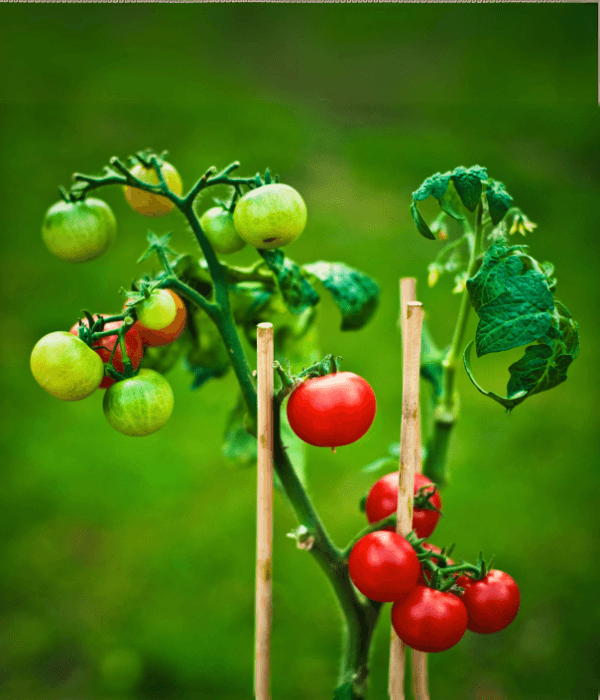
Tomatoes belong to the nightshade family, but the old advice that tomato plants are mainly a “solanine” problem is not the best description. In tomatoes, the major steroidal glycoalkaloid is alpha-tomatine, along with related compounds such as dehydrotomatine.
These compounds are part of the plant’s natural defense system. They occur at much higher concentrations in leaves, stems, flowers, calyxes, and immature green fruit than in fully ripe tomatoes.
As the fruit ripens, alpha-tomatine levels fall sharply. That is why a ripe tomato and a handful of tomato leaves should not be treated as the same food.
I would therefore avoid deliberately feeding green tomato foliage or immature fruit. If a free-ranging hen takes one quick peck at a tomato leaf, that is different from putting a pile of vines in the run for the flock to eat. Remove access and keep an eye on the bird. If a chicken consumes a substantial amount of questionable plant material and then seems ill, contact a veterinarian.
Can Chickens Eat Tomato Seeds and Skin?
 Share on Pinterest
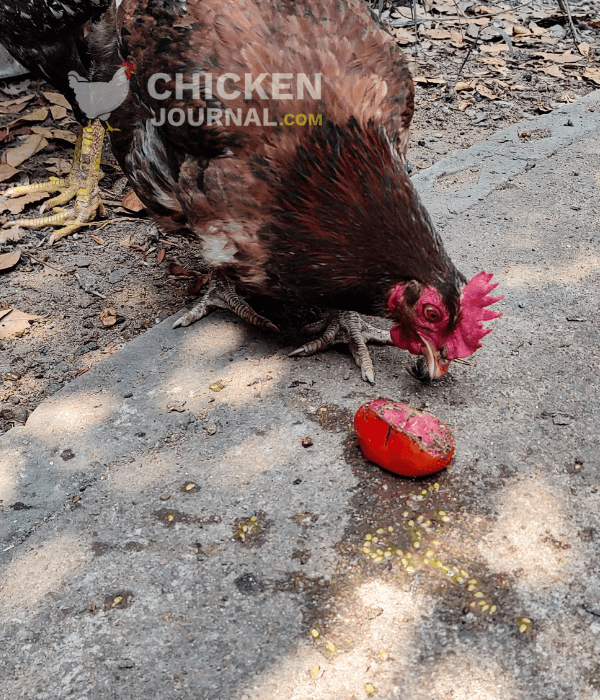
Yes. Chickens can eat the skin and seeds of a fully ripe tomato along with the flesh. There is no need to scoop the seeds out or peel the fruit first.
This is one place where the old article made feeding tomatoes sound more complicated than it needs to be. Remove the green stem and calyx, make sure the fruit is ripe and fresh, and let the birds peck it apart.
Are Tomatoes Nutritious for Chickens?
Ripe tomatoes contain plenty of water and provide carotenoids such as lycopene and beta-carotene, plus potassium and small amounts of several vitamins and minerals. Those nutrients make tomato a reasonable piece of dietary variety.
What I would not do is describe tomatoes as an immune booster, bone supplement, digestive treatment, or reproductive supplement for chickens. A few tomato pieces do not replace the carefully balanced protein, amino acids, vitamins, minerals, and energy supplied by a complete poultry ration.
Tomatoes also contain vitamin C, but healthy chickens can normally synthesize adequate vitamin C themselves. Poultry may benefit from extra vitamin C under some heat-stress conditions, but that does not make tomatoes a necessary vitamin C supplement.
The high moisture content can make a ripe tomato an appealing warm-weather treat. It is not a substitute for fresh drinking water. During hot weather, unlimited clean, cool water matters far more than any fruit.
How Much Tomato Can Chickens Eat?
There is no useful rule such as “two tomatoes per chicken” because tomato size and flock size vary so much. A cherry tomato and a one-pound slicing tomato obviously are not equivalent.
The practical rule is to keep tomatoes and all other treats modest so they do not displace the flock’s complete feed. Around 10% or less of total daily food intake is a reasonable ceiling for extras in a backyard flock, and less is perfectly fine.
I prefer to offer treats after the birds have had access to their normal feed rather than filling them up with fruit first thing in the morning.
Raw vs. Cooked Tomatoes
Both raw ripe tomato and plain cooked ripe tomato can be offered to chickens. Raw tomato is simpler and provides plenty of moisture. Cooking changes the nutrient profile and can make lycopene more bioavailable, but it does not turn tomato into a more complete chicken feed.
If you have plain cooked tomato left over, a small amount is reasonable. Avoid sauces or cooked dishes loaded with salt, oil, sugar, or heavy seasoning.
Can Chickens Eat Cherry Tomatoes?
Yes. Ripe cherry and grape tomatoes are no different in principle from larger ripe tomatoes. Adult chickens usually peck them apart without difficulty.
For very young or very small birds, cutting soft foods into smaller pieces makes feeding easier and reduces waste. There is no need to treat a cherry tomato as a special choking hazard for a normal adult chicken.
Can Chickens Eat Tomato Sauce?
 Share on Pinterest
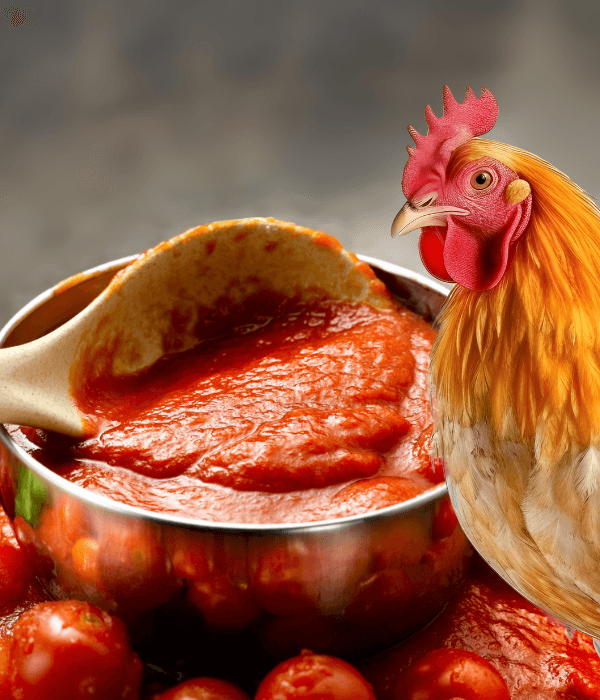
Plain homemade tomato puree made only from ripe tomatoes is not inherently a problem, but there is little reason to prepare sauce for chickens. Fresh ripe tomato is easier.
Store-bought pasta sauce, ketchup, pizza sauce, and similar products are better left out of the run because they may contain substantial sodium, added sugar, oil, or seasonings. The problem is the finished human food, not the fact that the tomato was blended.
If a chicken steals a tiny taste of plain tomato sauce, that does not automatically mean an emergency. Just avoid making seasoned sauces a routine treat.
Can Chickens Eat Canned Tomatoes?
Plain no-salt-added canned tomatoes are not fundamentally different from cooked ripe tomatoes. Still, fresh ripe fruit is usually the simpler option.
Check the label before feeding canned products. Some contain a considerable amount of sodium or added flavorings. There is no need to blame all canned tomatoes on “chemicals” or preservatives. The actual ingredient list is what matters.
Can Baby Chicks Eat Tomatoes?
Young chicks do not need tomatoes. Their priority is a complete chick starter formulated for rapid growth and development.
I would not make fruit a regular part of a newly hatched chick’s diet. Once chicks are older, healthy, and eating their age-appropriate starter or grower feed reliably, a tiny piece of ripe tomato can be an occasional extra. There is no scientifically established rule that tomatoes suddenly become safe at exactly three or four months old.
Most importantly, never let treats replace meaningful amounts of starter or grower feed in a growing bird.
What If Chickens Get Into Tomato Plants?
Backyard chickens are curious, and a garden bed can look like a buffet. If your flock regularly reaches your tomato plants, fencing is the simplest solution.
An occasional nibble is not the same as deliberately feeding a bucket of tomato vines, so do not panic over one peck. The goal is to prevent repeated or substantial consumption of foliage, stems, flowers, calyxes, and immature fruit.
If you know a bird has eaten a large amount and it develops unusual illness afterward, contact a poultry veterinarian or diagnostic service rather than trying to treat a suspected plant toxicity at home.
Do Not Feed Moldy or Rotten Tomatoes
A soft, very ripe tomato is not automatically bad. Moldy, rotten, fermented, or badly spoiled produce is different and should go in the trash or an appropriate compost system, not into the chicken run.
Molds and other spoilage organisms can contaminate feed with compounds that are harmful to poultry, and you cannot reliably identify a harmless mold by looking at it. The safest rule is simple: if you would describe the tomato as spoiled rather than merely ripe, do not feed it.
This same rule applies to other scraps, including bread and leftover produce.
How to Feed Tomatoes to Chickens Safely
 Share on Pinterest
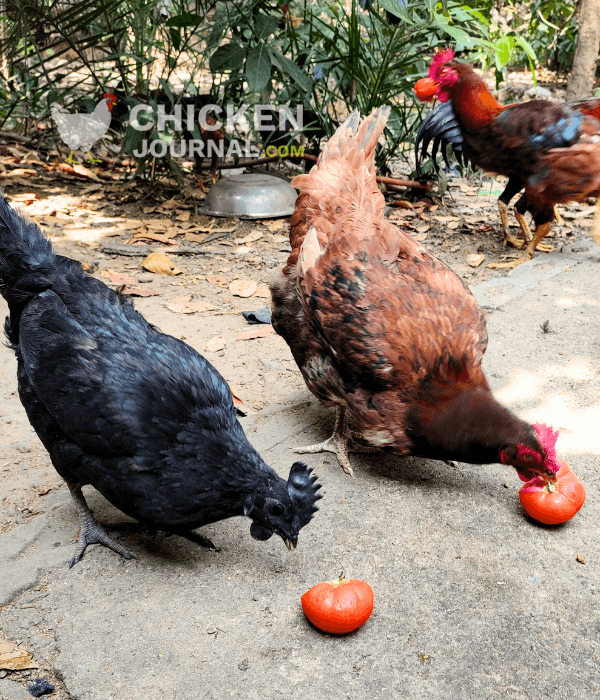
- Choose fully ripe fruit. Use fresh tomatoes at normal eating ripeness for the variety.
- Remove the green plant parts. Take off stems, leaves, and the calyx around the fruit.
- Wash dirty produce. This is especially important for tomatoes that may carry soil or pesticide residue.
- Serve a modest amount. Let complete poultry feed remain the main diet.
- Clean up leftovers. Remove uneaten wet fruit before it spoils or attracts flies, rodents, and other pests.
If you feed scraps regularly, our guide to feeding table scraps to chickens explains how to keep extras from unbalancing the flock’s ration.
Frequently Asked Questions
Can chickens eat ripe red tomatoes?
Yes. Fully ripe tomatoes are safe for chickens as an occasional treat. Offer them in modest amounts so complete poultry feed remains the main diet.
Can chickens eat green tomatoes?
It is best not to intentionally feed immature green tomatoes. Green fruit contains much higher levels of tomato glycoalkaloids, especially alpha-tomatine, than fully ripe fruit.
Can chickens eat tomato leaves and stems?
Do not intentionally feed tomato leaves, stems, vines, flowers, or calyxes. These green plant tissues contain substantially more alpha-tomatine than ripe tomato fruit.
Can chickens eat tomato seeds?
Yes. Chickens can eat the seeds and skin of a fully ripe tomato along with the flesh. There is no need to remove the seeds before serving the fruit.
Can chickens eat cherry tomatoes?
Yes. Fully ripe cherry and grape tomatoes can be fed the same way as larger tomatoes. Adult chickens usually peck them apart easily.
Can baby chicks eat tomatoes?
Young chicks do not need tomatoes because complete chick starter should supply their nutrition. Once older chicks are healthy and eating their age-appropriate ration well, a tiny amount of ripe tomato can be an occasional extra.
How often can chickens eat tomatoes?
Tomatoes are best treated as an occasional extra rather than a daily food. Keep tomatoes and other treats modest, roughly 10% or less of total intake, so they do not dilute a complete poultry ration.
Final Thoughts
Ripe tomatoes are one of the easier garden extras to share with chickens. The flesh, skin, and seeds can all be eaten, and there is no need to make feeding them complicated.
The part worth remembering is the difference between ripe fruit and the green plant. Tomato leaves, stems, flowers, calyxes, and immature fruit contain much higher concentrations of alpha-tomatine, so I keep those parts away from the flock rather than intentionally feeding them.
Give ripe tomatoes in moderation, keep complete poultry feed as the nutritional foundation, provide unlimited fresh water, and discard anything moldy or spoiled. That is all most backyard keepers need to do.
Sources
- University of Maryland Extension: Feeding the Flock
- Merck Veterinary Manual: Nutritional Requirements of Poultry
- Current Advances in the Biosynthesis, Metabolism, and Transcriptional Regulation of Alpha-Tomatine in Tomato
- Glycoalkaloids of Plants in the Family Solanaceae
- Detoxification and Function of Immature Tomato
