
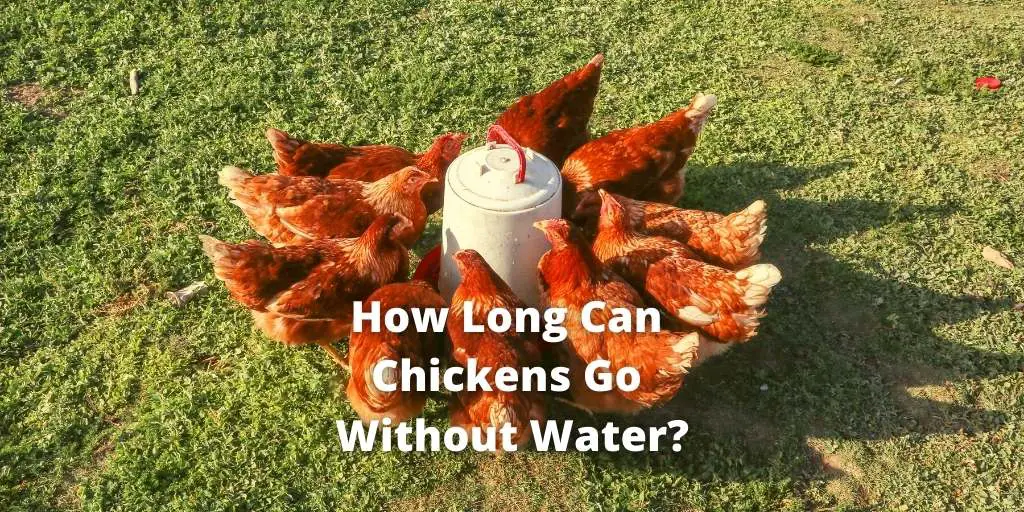
How long can chickens go without water? Chickens should not be intentionally left without water for any extended period. The safest rule is simple: provide continuous access to clean, fresh water whenever your chickens are awake and active.
Older advice sometimes says an adult chicken can manage for 24 to 48 hours without water. That is not a useful husbandry target. Water shortage can quickly reduce feed intake, egg production, growth, and the bird’s ability to control body temperature, especially in hot weather.
University Extension guidance consistently recommends free access to fresh water. During heat stress, poultry may drink several times their normal amount, so water becomes even more critical in summer.
Also read: Best Chicken Waterers and Dispensers
How Long Can Chickens Safely Go Without Water?
There is no single safe number of hours that applies to every chicken. Age, temperature, humidity, health, body size, diet, activity, and whether the bird is laying all affect how quickly dehydration becomes dangerous.
A healthy adult bird may survive an accidental short interruption in water supply, but survival is not the same as good welfare. Treat an empty, frozen, clogged, tipped, or contaminated waterer as something to correct immediately.
In hot weather, the margin for error becomes much smaller. Chickens cannot sweat. They rely heavily on panting and evaporation from the respiratory tract to lose heat, which increases water loss.
Why Water Is So Important for Chickens
1. Digestion and Feed Intake
Water is essential for normal digestion and feed intake. For a related feeding interruption, see how long chickens can go without food. Chickens often reduce or stop eating when water is unavailable, so a water shortage affects nutrition as well as hydration.
2. Egg Production
Eggs contain a large amount of water, so laying hens need reliable access to drinking water. Even temporary restriction can reduce feed intake and interfere with egg production and shell quality.
3. Body Temperature Control
Water becomes especially important as temperatures rise. Poultry cool themselves partly by panting, which increases water loss.
Read our guide on keeping chickens cool in summer.
4. Growth and General Health
Growing chicks, pullets, and meat birds need water for normal growth and metabolism. Inadequate water quickly reduces performance and can become a welfare problem.
How Much Water Does a Chicken Drink Per Day?
Daily water intake varies too much to use one fixed amount for every bird. A chicken may drink substantially more in hot weather, when eating dry feed, during egg production, or when growing rapidly.
A practical rule is to provide more water capacity than you expect your flock to use and make sure every bird can reach a working waterer. Do not ration drinking water based on an estimated daily volume.
How Long Can Baby Chicks Go Without Water?
 Share on Pinterest
Baby chicks should have fresh, clean water available at all times. Do not wait several hours between waterings. Their small bodies, rapid growth, and dependence on a properly managed brooder make reliable access especially important.
Place chick waterers where they are easy to reach but cannot easily be filled with litter. Use a waterer designed for chicks so they cannot climb into deep water and become chilled or drown.
Signs a Chicken May Be Dehydrated
- Unusual lethargy or weakness
- Reduced appetite
- Reduced or stopped egg production
- Dry-looking mouth or tacky oral tissues
- Less frequent droppings or unusually dry droppings
- Panting or open-mouth breathing in hot weather
- Wings held away from the body during heat stress
- Standing around the waterer or competing aggressively for water
- Collapse or severe weakness in advanced cases
Panting, weakness, and collapse during hot weather can signal a heat emergency. Move the bird to a cooler, well-ventilated area and provide cool, clean water. Contact a poultry or avian veterinarian if the bird is severely affected, cannot drink normally, or does not improve.
Also see: When to Call a Vet for Your Chickens
What to Do If Your Chickens Run Out of Water
- Restore access to fresh, clean water immediately.
- Check every waterer for clogs, leaks, freezing, algae, dirt, or contamination.
- Make sure timid or lower-ranking birds can reach the water without being blocked.
- During hot weather, place water in shade and provide additional water stations.
- Observe the flock closely for panting, weakness, reduced appetite, or abnormal behavior.
- If a bird is severely weak or unable to drink, contact a veterinarian rather than forcing large amounts of water into its mouth.
Do not pour water down a chicken’s throat. Incorrect oral dosing can cause aspiration into the lungs.
Water Management Tips for Backyard Flocks
- Provide clean, fresh water continuously during the day.
- Use enough waterer space for every bird to drink comfortably.
- Keep at least one backup waterer available.
- Place waterers in shade during hot weather.
- Rinse and refill waterers regularly and scrub them as needed to control slime and debris.
- Raise waterers slightly to reduce litter contamination while keeping them easy for birds to reach.
- Check nipple systems and automatic drinkers every day for clogs or pressure problems.
- Prevent freezing in winter with a safe heated waterer or other appropriate system.
- Keep electrical cords and heating equipment away from water and flammable bedding.
For waterer options, read our chicken waterer guide and automatic chicken waterer guide.
Do Chickens Need Water at Night?
Most healthy adult backyard chickens roost and sleep after dark and normally do little or no drinking overnight. In a typical dark coop, water does not need to be placed directly beside the roost.
However, birds kept under artificial lighting, young chicks in a brooder, meat birds with extended light schedules, sick birds, or chickens exposed to very hot nighttime temperatures may still need access to water during those hours.
The safest general rule is that whenever birds are awake, eating, or exposed to heat, water should be available.
Can You Add Apple Cider Vinegar to Chicken Water?
Plain clean water should be the default. Apple cider vinegar is not required for hydration and should not replace good sanitation, balanced feed, or veterinary care.
FAQs
Can chickens survive 24 hours without water?
A chicken may survive an accidental interruption, but you should not plan around a 24-hour limit. Water should be restored as soon as the problem is noticed.
Can chickens go 48 hours without water?
Do not intentionally leave chickens without water for 48 hours. The previous version of this article suggested this could be tolerated under normal conditions, but current poultry-management guidance emphasizes continual or free access to clean, fresh water.
Do chickens drink more water in summer?
Yes. Chickens drink substantially more during heat stress. Extra water capacity, shade, ventilation, and cool water become especially important.
Do chicks need water all day?
Yes. Growing chicks should always have access to clean, fresh water in a properly designed chick waterer.
How Long Can Chickens Go Without Water? Final Answer
Do not use a survival-time estimate as a watering schedule. Healthy chickens should have continuous access to clean, fresh water while they are awake and active.
Water becomes even more critical for chicks, laying hens, sick birds, meat birds, and all poultry during hot weather. A reliable water system, a backup waterer, and daily checks are much safer than asking how long the flock can manage without drinking.
