

Candling an egg is one of those jobs that looks simple until you try it with a dark brown shell.
With a pale egg, a decent light may show veins and embryo growth clearly. With a Marans egg, olive egg, or a thicker duck egg, the same candler can suddenly feel weak.
That is why I would not choose an egg candler only by price.
Brightness matters. So does the shape of the light opening, how well the egg seals against it, whether you can use it in a dark room without fumbling with a cord, and how much heat the light produces while you are holding the egg in place.
If you are incubating chicken, duck, quail, or other poultry eggs, a good candler helps you check whether development is progressing without cracking the shell or guessing from the outside.
For the full incubation process, see our guide to hatching chicken eggs. You may also want our egg float test guide, although candling is the better tool for checking embryo development during incubation.
As an Amazon Associate, Chicken Journal earns from qualifying purchases.
Quick Comparison of the Best Egg Candlers
| Egg candler | Power | Best use | Amazon |
|---|---|---|---|
| Titan Incubators High-Intensity LED | Battery | Dark and thicker shells | Check |
| Magicfly Rechargeable | Rechargeable | Portable everyday candling | Check |
| Incu-Bright Ultra Bright | Battery | Compact high-intensity use | Check |
| Brinsea OvaView High Intensity | Battery | Premium candling, darker shells | Check |
| Magicfly Bright Cool LED | Plug-in | Budget stationary setup | Check |
| NestEcho Rechargeable LED | Rechargeable | Adjustable portable use | Check |
| Brinsea OvaView Standard | Battery | Light and medium shells | Check |
| Little Giant Egg Candler | Battery | Simple handheld checks | Check |
| ZZBUY Rechargeable High-Intensity | Rechargeable | Budget option for darker eggs | Check |
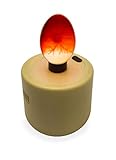
1. Titan Incubators High-Intensity LED Egg Candler
This site runs ads and contains Amazon affiliate links that help support my work at no extra cost to you, and I truly appreciate your support!
If you regularly hatch brown, olive, or thicker-shelled eggs, this is the first type of candler I would look at.
The Titan uses a concentrated high-intensity LED beam rather than a broad flashlight-style glow. That matters because dark pigment in the shell absorbs more light, so you need a strong beam and a good seal around the egg.
It is battery-powered, which makes it easy to carry between incubators without dragging a cord behind you. The narrow body is also easier to hold under awkwardly shaped eggs than a wide tabletop candler.
I would still use it in a dark room. Even a bright candler can struggle if overhead lights are reflecting off the shell.
Features: high-intensity LED, handheld battery design, concentrated beam.
Pros: strong choice for darker eggs, portable, simple controls.
Cons: batteries add ongoing cost; very dark shells can still be difficult early in incubation.
Check the Titan Egg Candler on Amazon
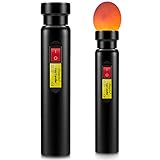
2. Magicfly Rechargeable Egg Candler
This site runs ads and contains Amazon affiliate links that help support my work at no extra cost to you, and I truly appreciate your support!
The rechargeable Magicfly is the one I would choose if portability matters more than absolute maximum brightness.
You can carry it out to a broody hen, another incubator, or a different room without worrying about an outlet. That sounds minor until you are holding a warm egg in one hand and trying not to trip over a cord with the other.
The cool LED light helps keep candling brief without adding much heat to the shell. It works well for chicken, quail, and many duck eggs, although very dark brown shells may still need a completely dark room and a later candling date before you can see much.
Features: rechargeable battery, bright cool LED, cordless handheld body.
Pros: convenient, portable, no disposable batteries during normal use.
Cons: needs recharging; not the strongest choice for extremely dark shells.
Check the Magicfly Rechargeable Candler on Amazon
3. Incu-Bright Ultra Bright LED Egg Candler

This site runs ads and contains Amazon affiliate links that help support my work at no extra cost to you, and I truly appreciate your support!
The Incu-Bright is small enough to live beside the incubator, but it is brighter than the little flashlight candlers that often come bundled with low-cost incubators.
That makes it useful when you are trying to separate a faint network of vessels from shell pigment rather than just checking whether an egg is completely clear.
It is especially practical if you hatch several egg sizes. The compact tip is easier to position against quail eggs and still works with larger chicken or duck eggs.
I would not rush candling simply because the light is strong. If the shell is dark and you are unsure on day 5 or 6, put the egg back and check again later instead of deciding too early that it is infertile.
Features: ultra-bright LED, compact body, portable battery operation.
Pros: strong beam for its size, easy to handle, useful across several egg sizes.
Cons: battery dependent; no candler can make very dark shells completely transparent.
Check the Incu-Bright on Amazon
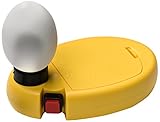
4. Brinsea OvaView High Intensity Egg Candler
This site runs ads and contains Amazon affiliate links that help support my work at no extra cost to you, and I truly appreciate your support!
Brinsea has been making incubation equipment for years, and the High Intensity OvaView is aimed at people who want a more purpose-built tool rather than a generic flashlight.
The brighter output is useful on mottled and darker shells, and the sealing rings help block stray light around different egg sizes.
That seal is important.
If light spills around the edge of the egg instead of through it, your eyes have a harder time seeing the faint vessels inside.
I would choose this for someone who hatches regularly and wants a dedicated candler they can keep for years. It costs more than a basic LED model, so it is harder to justify for one tiny hatch each spring.
Features: high-output LED, multiple sealing rings, portable design.
Pros: good light control, useful on darker shells, established incubation brand.
Cons: more expensive than basic candlers; still benefits from a dark room.
Check the Brinsea OvaView High Intensity on Amazon
5. Magicfly Bright Cool LED Plug-In Egg Candler

This site runs ads and contains Amazon affiliate links that help support my work at no extra cost to you, and I truly appreciate your support!
If your incubator already sits beside an outlet, a cord is not necessarily a problem.
This Magicfly model stays simple: plug it in, place the egg over the light opening, and check development.
You never have to wonder whether the battery is half dead just when you reach the last tray of eggs.
The tradeoff is mobility. I would not choose this if you frequently candle eggs under broody hens, move between buildings, or want to work somewhere without a convenient outlet.
Features: plug-in power, cool LED light, tabletop-style candling.
Pros: steady power, simple operation, useful for routine home incubation.
Cons: cord limits portability; not ideal for outdoor or multi-location use.
Check the Magicfly Plug-In Candler on Amazon
6. NestEcho Rechargeable LED Egg Candler

This site runs ads and contains Amazon affiliate links that help support my work at no extra cost to you, and I truly appreciate your support!
The NestEcho is useful if you like the convenience of rechargeable power but want more control than a one-setting candler.
Different shells respond differently to light. A very bright beam can help on dark eggs, while a lower setting may be easier on your eyes when checking pale eggs in a completely dark room.
The aluminum-style body also feels more like a sturdy flashlight than a lightweight plastic toy.
I would still check how comfortably the tip seals against the egg sizes you hatch most often. Brightness is only half the job; blocking light around the shell matters too.
Features: rechargeable power, multiple light settings, compact handheld body.
Pros: adjustable, portable, no disposable-battery routine.
Cons: extra modes add little value if you only hatch one egg type; needs periodic charging.
Check the NestEcho Egg Candler on Amazon
7. Brinsea OvaView Standard Egg Candler

This site runs ads and contains Amazon affiliate links that help support my work at no extra cost to you, and I truly appreciate your support!
The Standard OvaView is the more sensible Brinsea option if most of your eggs are white, cream, light brown, or otherwise easy to see through.
You still get a purpose-built candler from an established incubation brand, but you are not paying for the stronger high-intensity version if you do not need it.
This is also a good reminder that “brighter” is not automatically “better” for every flock.
If you hatch mostly Leghorn-type white eggs, a standard candler in a dark room may show everything you need.
Features: portable LED candling lamp, purpose-built egg opening, standard-intensity beam.
Pros: easy to use, good for light shells, established manufacturer.
Cons: not the best Brinsea choice for very dark or mottled eggs.
Check the Brinsea OvaView Standard on Amazon
8. Little Giant Egg Candler

This site runs ads and contains Amazon affiliate links that help support my work at no extra cost to you, and I truly appreciate your support!
The Little Giant is the uncomplicated option.
It is a small handheld battery-powered LED light with a wrist strap, so you can keep it beside the incubator and grab it for a quick check.
I would buy this for occasional hatching of ordinary chicken eggs rather than for a flock full of dark Marans eggs.
The benefit is simplicity. There is very little to learn and very little to set up.
The limitation is also simple: this is not the highest-intensity light in the list, so shell color matters more.
Features: battery-powered handheld LED, wrist strap, compact form.
Pros: easy to use, inexpensive, convenient for occasional hatches.
Cons: less suited to very dark shells; basic design with fewer light-control features.
Check the Little Giant Egg Candler on Amazon
9. ZZBUY Rechargeable High-Intensity Egg Candler

This site runs ads and contains Amazon affiliate links that help support my work at no extra cost to you, and I truly appreciate your support!
If you want a rechargeable high-output candler without moving into premium-brand pricing, the ZZBUY is worth a look.
The narrow aluminum body is easy to grip, and the stronger beam is useful for brown, olive, duck, and other shells that need more light than a tiny pocket candler can provide.
I would treat this as the value alternative to the Titan or high-intensity Brinsea rather than assume it will match them in long-term durability.
That is often the tradeoff with newer budget tools: you get a lot of brightness for the money, but less of a track record.
Features: rechargeable power, high-intensity LED, aluminum handheld body.
Pros: strong brightness for the price, portable, useful on darker eggs.
Cons: shorter brand track record; charging cable becomes another item to keep with the incubator.
Check the ZZBUY Egg Candler on Amazon
When Should You Candle Chicken Eggs?
I would not keep pulling eggs from the incubator every day just because candling is interesting.
For chicken eggs, a useful first check is around day 7.
By then, a developing light-shelled egg usually shows a network of blood vessels and a darker developing embryo. On a very dark egg, you may see less and need to wait longer.
A second check around day 14 can be easier. The embryo takes up more space, movement may be visible, and the air cell should be more obvious.
Mississippi State Extension notes that darker eggs are harder to candle than white eggs, especially early in incubation. That is another reason not to throw out a dark egg just because you cannot see much on the first attempt.
What You Should See Inside the Egg
A healthy developing egg does not look like a perfect textbook diagram every time.
Shell color, shell thickness, embryo position, the angle of the egg, and the room light all change what you can see.
Around the first week, look for branching blood vessels and a darker spot where the embryo is developing.
A clear egg with no visible vessels after enough incubation time may be infertile, but I would recheck any questionable egg before discarding it.
A distinct blood ring with no healthy branching vessel network can indicate that an embryo started developing and then died.
Later in incubation, much of the egg should look dark because the embryo occupies more space. The air cell at the broad end should remain visible.
Dark Brown and Olive Eggs Need More Patience
This is where many backyard keepers think their candler is broken.
It may not be.
A Marans or olive egg can absorb so much light that early veins are difficult to see even with a good candler.
Turn off every room light. Let your eyes adjust for a minute. Cup your hand around the candler opening so light cannot leak around the shell.
If you still cannot tell, put the egg back in the incubator and try again later.
It is safer to recheck a questionable egg than to discard a viable embryo because the shell was simply too dark to read.
How to Candle Eggs Without Cooling Them Too Much
Prepare the room before you open the incubator.
Turn off the lights, have the candler ready, and know which eggs you are checking.
Take out only as many eggs as you can handle efficiently. Hold each egg gently, place the broad end near the light opening, and rotate it slowly enough to see the vessel pattern.
Do not shake or spin the egg aggressively.
Utah State recommends minimizing handling time during candling. The goal is to gather useful information, not keep the egg out long enough to take a dozen photos from every angle.
Chicken, Duck, and Quail Eggs Are Not Identical to Candle
Small quail eggs can be awkward because the shell surface is heavily spotted and the egg is tiny.
A narrow candler opening helps.
Duck eggs are larger and can be thicker, so a strong beam and good seal around the egg make a difference.
Chicken eggs vary enormously. A white Leghorn egg can be easy to read, while a very dark Marans egg from the same incubator may reveal little until later.
Frequently Asked Questions
What is the best day to candle chicken eggs?
Around day 7 is a useful first check for most chicken eggs. Dark brown or olive eggs may be easier to read a few days later.
Can candling hurt the embryo?
Normal brief candling is widely used during incubation. Keep handling gentle, use a cool LED light, and return the egg promptly so it is not left out longer than necessary.
Why can’t I see veins in a dark brown egg?
Dark shell pigment blocks more light. Use the candler in a completely dark room, seal stray light around the shell, and recheck later if the view is unclear.
What does a blood ring mean?
A distinct ring of blood with no healthy branching vessel network can indicate that embryo development stopped. If you are uncertain, compare again later before discarding the egg.
Can I use a regular flashlight instead of an egg candler?
A powerful flashlight can work, especially with light-colored eggs, but a purpose-built candler usually seals light around the shell better and is easier to hold consistently.
Should infertile eggs be removed immediately?
Only remove an egg when you are reasonably sure it is infertile or development has stopped. If the shell is dark or the result is unclear, return it to the incubator and recheck later.
Final Verdict
If you hatch a mix of brown, olive, duck, or other harder-to-candle eggs, I would start with the Titan Incubators High-Intensity LED.
If you want cordless convenience for normal backyard hatching, the Magicfly Rechargeable is easier to carry around, while the Incu-Bright gives you a compact high-output alternative.
For a premium dedicated candler, the Brinsea OvaView High Intensity makes the most sense if you hatch regularly.
If most of your eggs are pale and easy to see through, you do not necessarily need the brightest tool on the shelf. The Brinsea OvaView Standard or Little Giant can be enough.
Whichever candler you choose, the dark room and your timing matter almost as much as the light itself.
Sources and Further Reading
- Mississippi State University Extension — Testing Incubated Eggs for Embryo Development
- Mississippi State University Extension — The Avian Embryo
- Utah State University Extension — Hatching and Caring for Chicks
- Penn State Extension — Hatching Eggs at Home