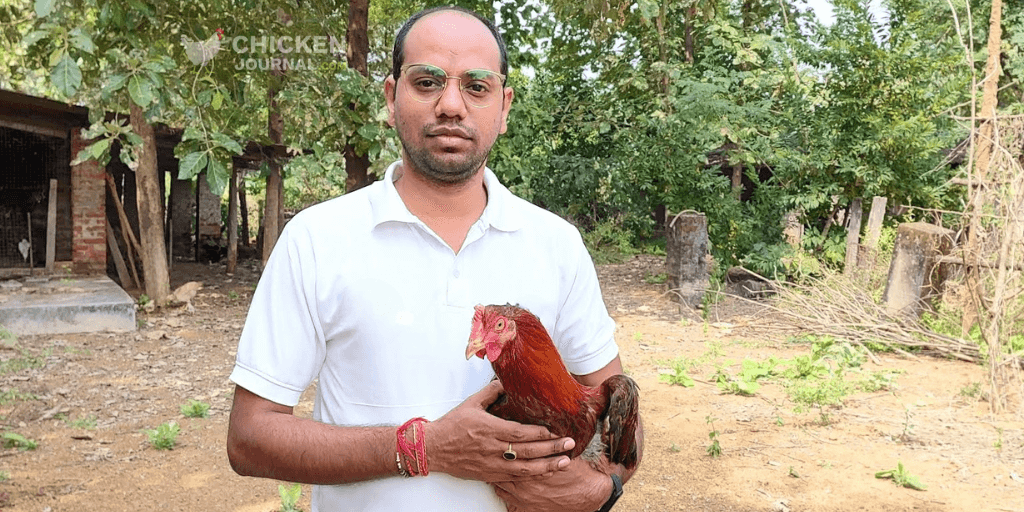

Chickens are not about a magic supplement, but about getting the basics right to keep chickens healthy. The most important things for their life are good feed, clean water, dry housing, enough space, predator protection and close observation.
Watching your birds for a few minutes a day will usually show you changes before a problem gets bigger. A hen that is missing from the flock, not eating, breathing more heavily than normal, or suddenly breaking from her routine is warning you something.
This guide provides practical actions you can take to ensure your backyard flock stays happy. It doesn’t assume that all chickens need the same housing space, supplements, vaccines or treatment plan. Your climate, breed, flock size, local disease risks and management style all matter.
1. Start With a Complete, Age-Appropriate Feed
The easiest way to create nutrition problems is to let treats, scratch grains, kitchen scraps, or homemade mixtures replace too much of the flock’s regular ration.
Use a complete poultry feed formulated for the bird’s life stage. Chicks, growing pullets, laying hens, and meat birds do not all need the same nutrient profile. Your feed label is more useful than one universal protein percentage.
If you want a deeper explanation of feed types and life stages, see our chicken feeding guide.
2. Keep Fresh Water Available All Day

Water is easy to overlook because a full container can still be dirty, frozen, overheated, or blocked. Check waterers every day and more often during heat waves or freezing weather.
Keep the water fresh and the container clean enough that algae, manure, and old feed do not build up. In summer, shade the water when possible. In winter, make sure ice never cuts the flock off from drinking.
Penn State Extension notes that adequate water is necessary for digestion, egg production, and general health, while stagnant water can support pathogen growth.
3. Use Grit and Calcium for the Birds That Actually Need Them
Grit and calcium are not the same supplement. Chickens use insoluble grit in the gizzard to grind coarse foods. Birds eating only a finely milled complete ration may need little additional grit, while chickens eating whole grains, forage, or fibrous treats should have access to appropriate poultry grit.
Laying hens have high calcium demands. A complete layer ration provides calcium, and many keepers also offer oyster shell separately so hens can take what they need. Growing chicks, roosters, and nonlaying birds should not automatically be fed the same high-calcium diet as active layers.
See our guide to grit for chickens and our explanation of oyster shell for laying hens.
4. Give the Flock Enough Room to Move and Get Away From One Another
Overcrowding is not just a comfort problem. It can increase competition around feeders and waterers, raise moisture and ammonia, and make aggressive pecking harder for a lower-ranking bird to escape.
There is no single space number that fits every breed and setup. Large breeds, active birds, confined flocks, and long winters usually benefit from more room. Use published space recommendations as a starting point, then watch the birds. If they cannot feed, dust bathe, roost, or move without constant conflict, the setup is too tight.
Our chicken space guide goes into this in more detail.
5. Keep the Coop Dry Without Sealing It Up
A dry coop is one of the best protections you can give a flock. Moist litter, leaking roofs, wet manure, and poor air exchange create the kind of environment where ammonia, mold, and respiratory irritation become much more likely.
Good ventilation removes moisture and stale air without blowing a hard draft directly across roosting birds. If you smell ammonia when you walk in, see condensation on walls or windows, or find damp bedding under the roost, the coop needs attention.
Penn State Extension emphasizes that a poultry house should stay dry and well ventilated, and that dampness and ammonia are signs the ventilation rate may not match the number of birds.
6. Build for Predators Before You Have a Predator Problem
A healthy flock can disappear in one night if the coop has a weak latch, an uncovered opening, or soft wire a raccoon can tear apart.
Use strong hardware cloth on vulnerable openings, secure doors with latches a raccoon cannot simply flip, and inspect the structure for gaps. In areas with digging predators, a buried or outward-facing wire apron can add protection.
For a complete setup, see how to build a predator-resistant chicken coop.
7. Learn What Your Chickens Look Like When They Are Normal

A healthy chicken is usually alert, interested in food, responsive to the flock, and moving normally for that individual bird. That does not mean every healthy hen must have a bright red comb or lay an egg every day. Comb color, laying, appetite, and activity can change with age, molt, broodiness, season, and breed.
What matters most is a change from that bird’s normal pattern. Merck Veterinary Manual lists early warning signs such as lethargy, changes in food or water intake, dull or soiled feathers, eye or nasal discharge, abnormal droppings, lameness, and reduced activity.
8. Watch the Flock Before You Touch the Flock
You can learn a lot by standing quietly outside the run for a minute. A bird that looks normal while being held may have been hiding at the back, breathing harder, or being kept away from feed before you picked her up.
Veterinarians often begin by observing poultry from a distance because flock behavior and posture can reveal things a hands-on exam may miss.
9. Practice Simple Biosecurity Every Day
Biosecurity sounds like a commercial-farm term, but the basic idea is simple: do not carry disease into your own flock.
Limit unnecessary visitors around the birds. Wash your hands before and after handling poultry. Clean manure from boots and equipment before disinfecting them. Avoid sharing crates, carriers, tools, or footwear between flocks unless they have been properly cleaned.
USDA APHIS continues to stress these steps through its 2026 Defend the Flock program because people, wild birds, vehicles, footwear, and equipment can all move infectious organisms between locations.
10. Quarantine New and Returning Birds
A newly purchased hen can look perfectly healthy and still be incubating disease or carrying parasites. The same applies to birds returning from shows, fairs, swaps, or other poultry properties.
Merck Veterinary Manual recommends separating new or returning birds for at least 4 to 6 weeks while you watch for illness. Ideally, the quarantine area should have separate equipment and enough distance that droppings, dust, and direct contact do not mix with the home flock.
11. Reduce Contact With Wild Birds and Rodents
Wild birds and rodents are not only feed thieves. They can contaminate feed and water and increase disease risk.
Store feed in a dry, animal-resistant container. Clean spilled grain instead of letting it accumulate under feeders. Where avian influenza is a concern, keep domestic poultry away from ponds, puddles, and water sources used by wild waterfowl.
USDA notes that wild birds, particularly through droppings and contaminated water, remain an important HPAI risk for domestic poultry.
12. Manage Bedding by Condition, Not by a Fixed Calendar
There is no rule that every backyard coop must be completely stripped on the same weekly or monthly schedule. A small coop with many birds may need frequent spot cleaning. A well-managed deep-litter system follows a different routine.
Remove wet patches, spilled feed, heavily soiled nesting material, and manure buildup before they become a moisture or ammonia problem. Bedding should stay dry and reasonably low in dust.
If mold is a recurring problem, read our guide to mold in chicken coops.
13. Take Heat Stress Seriously
Hot weather can become dangerous faster than many keepers expect, especially when humidity is high. Panting, holding the wings away from the body, heavy drinking, lethargy, and reduced feed intake are warning signs that the flock is struggling with heat.
Shade, strong airflow, and plenty of cool fresh water are the first priorities. University of Minnesota Extension notes that birds may drink two to four times their normal amount during heat stress.
Do not rely on frozen treats as the primary cooling plan. The flock needs water and airflow first.
14. Prepare for Cold Without Turning the Coop Into a Closed Box
Cold-weather care is mostly about staying dry, avoiding direct drafts, keeping water available, and giving birds a protected place to roost.
Do not close every vent in an attempt to trap heat. Moisture from manure and breathing can condense inside a poorly ventilated coop, which increases frostbite and air-quality problems.
University of Minnesota Extension advises maintaining ventilation to control moisture, providing unfrozen water, managing manure and bedding, and adjusting care for breed and weather conditions. Supplemental heat should be treated as a management decision with electrical and fire safety in mind, not as an automatic requirement for every flock.
15. Check for External Parasites Before They Become a Flock-Wide Problem
Mites and lice can be easy to miss in a feathered bird. Part the feathers around the vent, under the wings, and along the body when you do routine checks. Look for moving parasites, clusters of eggs attached to feather shafts, scabs, feather damage, or unexplained irritation.
If parasites are found, identify what you are dealing with before choosing treatment. The wrong product or incomplete treatment can waste time and expose birds unnecessarily.
16. Do Not Deworm or Medicate on a Blind Schedule
Routine medication “just in case” is not the same as preventive care. Worm burden, local parasite pressure, bird age, symptoms, and test results all matter.
If you suspect internal parasites, work from evidence where possible. A poultry veterinarian or diagnostic lab can help identify the problem and select an appropriate treatment. Backyard chickens are considered food animals in the United States, so drug approvals and egg or meat withdrawal guidance matter.
17. Treat Vaccination as a Local Health Plan, Not a Universal Checklist
Not every backyard flock needs the same vaccine schedule. Hatchery history, local disease pressure, flock size, exposure to shows or swaps, and state recommendations can all change the plan.
If you are unsure, ask the hatchery what was already given and talk with a poultry veterinarian, Extension office, or state animal-health program before adding vaccines on your own.
We are updating our separate vaccination guide with this same principle so it does not read like a one-size-fits-all schedule.
18. Keep Treats Small and Simple
A few greens, insects, grains, or vegetable scraps can be enjoyable enrichment. They do not need to become a second diet.
If the flock is filling up on treats and leaving complete feed behind, cut the extras back. Avoid moldy food, heavily salted or seasoned leftovers, and anything you are not confident is safe for poultry.
19. Step In Early When Pecking Changes From Normal to Harmful
Chickens naturally establish a pecking order, but persistent chasing, feather pulling, skin damage, or one bird being trapped away from feed and water is not something to ignore.
Check space, feeder and waterer access, injuries, lighting, boredom, and flock introductions. An injured bird may need temporary protection while you correct the cause.
Our article on stress in chickens can help you look for management triggers.
20. Expect Molting and Seasonal Changes
A hen that suddenly stops laying and drops feathers in late summer or fall may simply be molting. During a normal molt, feather growth demands nutrients and egg production often slows or stops.
Keep the regular diet balanced and make sure less-dominant birds can still reach feed. Do not assume every rough-looking feather coat is disease, and do not assume every feather loss is a normal molt either.
See our full guide to chicken molting if you need help telling the difference.
21. Know When a Problem Has Moved Beyond Home Care
Some problems can wait for closer observation. Others should not.
Seek veterinary help promptly for severe breathing difficulty, inability to stand, uncontrolled bleeding, major trauma, suspected egg binding, severe dehydration, neurologic signs, or a bird that is rapidly getting worse.
If several birds become sick at once or you see sudden unusual deaths, contact a veterinarian or your state animal-health authority. With avian influenza still a concern in the United States, a sudden cluster of respiratory, neurologic, digestive signs, or unexpected deaths should not be treated as an ordinary backyard-flock problem.
Our guide to when to call a veterinarian for a chicken covers emergency signs in more detail.
A Simple Daily Health Routine

You do not need to perform a full examination every morning. A practical routine is to look at the flock while they come off the roost, make sure everyone can reach feed and water, check the coop for wet areas or predator damage, and notice whether any bird is behaving differently.
When you collect eggs, take another quick look. That small habit is often more useful than waiting for a chicken to look obviously sick.
Frequently Asked Questions
How can I tell if my chicken is healthy?
A healthy chicken is usually alert, eating and drinking normally, moving comfortably, and interacting with the flock. The most useful warning sign is often a change from that bird’s normal behavior, such as hiding, reduced appetite, unusual breathing, lameness, abnormal droppings, or discharge from the eyes or nostrils.
What is the most important thing for keeping chickens healthy?
There is no single product or supplement that keeps chickens healthy. A complete diet, constant clean water, dry well-ventilated housing, adequate space, predator protection, biosecurity, and daily observation work together.
Do healthy chickens need vitamins every day?
Usually not if they are eating a nutritionally complete poultry ration appropriate for their age and production stage. Supplements may be useful in specific situations, but routine use should not replace proper feed or veterinary care.
How often should I clean a chicken coop?
Clean according to moisture, manure buildup, flock size, and the bedding system rather than following one fixed calendar. Remove wet or heavily soiled areas promptly, keep nesting material clean, and do a deeper clean when the litter or coop condition requires it.
How long should I quarantine new chickens?
Merck Veterinary Manual recommends separating new or returning birds for at least 4 to 6 weeks while monitoring them for illness. Use separate equipment when possible and prevent direct contact with your established flock during that period.
When should I call a veterinarian for a chicken?
Seek prompt veterinary help for severe breathing difficulty, inability to stand, major trauma, uncontrolled bleeding, suspected egg binding, neurologic signs, severe dehydration, rapid deterioration, or several birds becoming sick or dying unexpectedly.
Final Thoughts
Healthy chickens usually come from consistent management rather than constant intervention. Feed them well, keep water clean, control moisture, protect them from predators and disease exposure, and pay attention to small changes.
You do not have to make the flock sterile or worry about every odd feather and dropping. The goal is to know what is normal in your own birds and react when something clearly changes.
Sources
- USDA APHIS: Defend the Flock
- USDA APHIS: Protect Your Flock From Avian Influenza
- Merck Veterinary Manual: Overview of Backyard Poultry
- Merck Veterinary Manual: Common Management-Related Problems in Backyard Poultry
- Penn State Extension: Small Scale Poultry Housing
- University of Minnesota Extension: Caring for Chickens in Cold Weather