
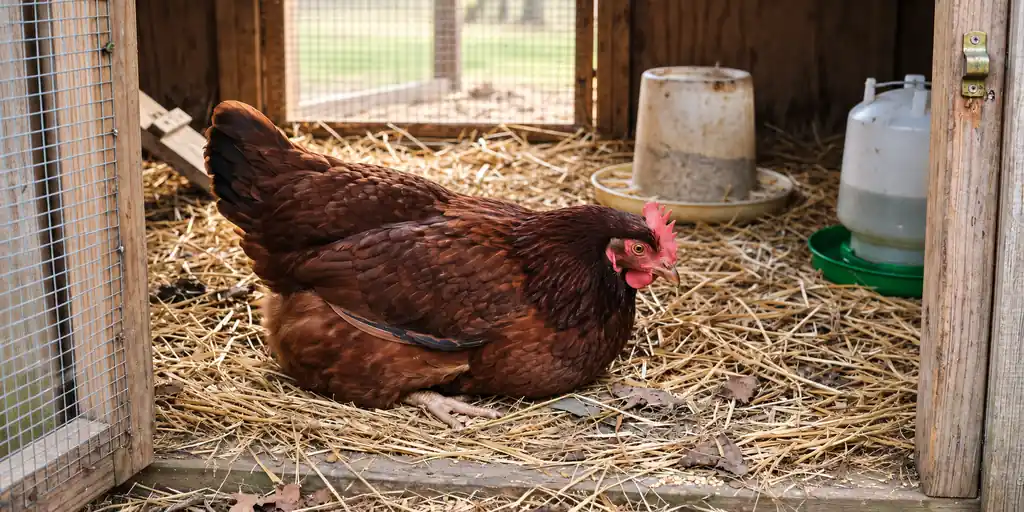
You have gone to check on your chickens and noticed that one of your hens is not moving around like the rest of the flock. She may be trying to stand up but just can’t get her legs to support her.
Your chicken may have suffered an injury or foot problem, or she may be dealing with severe weakness or a nerve or muscle condition. There are several possible causes, and some can be treated.
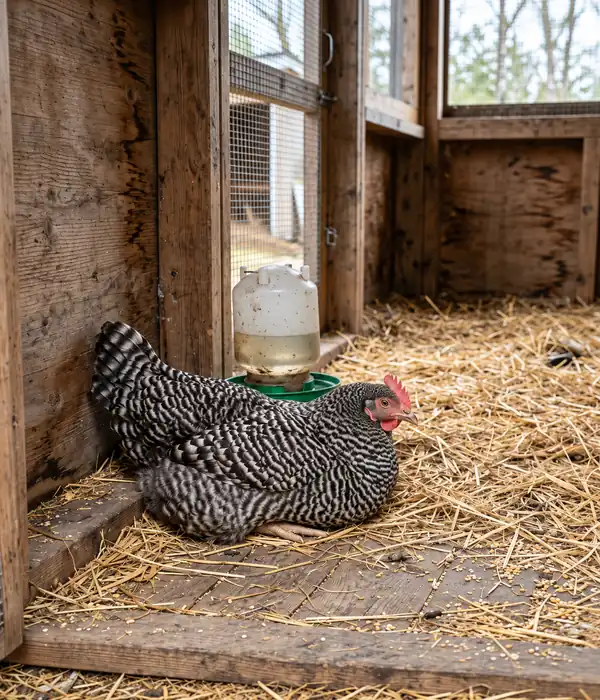
It is important to know whether your chicken is reluctant to walk or physically unable to stand. Check if she is breathing normally, eating, alert and if her legs are in the right position. Also check if other chickens are showing similar issues.
 Share on Pinterest
This article will help you to understand why your chicken isn’t standing or walking, what you can check and when to seek urgent help.
Why Can’t My Chicken Stand or Walk?
Chickens need healthy bones, joints, muscles, nerves and overall strength to stand and move normally. Any issues with any of these can cause them to stumble, sit or completely be unable to stand.
Some chickens will be bright and alert despite their legs not working properly while others will be sleepy, weak and unresponsive due to a more serious illness.
Not being able to stand does not necessarily mean your chicken is paralyzed or suffering from Marek’s disease. Possible causes include injuries, foot infections, reproductive issues, vitamin deficiencies and more.
A good place to start would be to note how your chicken usually behaves. Our article on chicken behaviors will help you understand what is normal for your flock and what you should be looking out for.
Chicken Limping vs. Unable to Stand: Key Differences
If your chicken is limping they may still be able to put some weight on their legs. If they are unable to stand they may collapse, sit on their hocks or be unable to move without using their wings.
It is important to know whether your chicken is limping slightly or has suddenly lost the use of both legs. However, their posture alone cannot confirm the exact cause.
| What you notice | Possible explanation | What to do |
|---|---|---|
| Walking with a slight limp | Foot irritation, injury, or joint pain | Check for injury and seek veterinary advice |
| Not putting weight on one leg | Pain, fracture, joint problem, or infection | Limit movement and seek prompt veterinary advice |
| Sitting but briefly standing when approached | Weakness, pain, or another health problem | Note other symptoms and seek same-day veterinary advice |
| Standing with difficulty and repeatedly falling | Possible weakness, neurological disease, or a musculoskeletal issue | Seek urgent veterinary advice |
| Unable to stand on either leg | Severe weakness, paralysis, injury, or illness | Seek urgent veterinary care |
| Legs held in an unusual position | Possible neurological or orthopedic condition | Avoid manipulating the legs and contact a veterinarian |
| Several chickens suddenly unable to walk | Possible environmental, toxic, or infectious problem | Contact a veterinarian or animal health authority |
If your chicken can still walk but is favoring one foot then take a look at our article on Chicken Limping. If they are completely unable to stand then they need more urgent attention.
Chicken Can’t Walk: Emergency Warning Signs
If your chicken is unable to stand or walk then they need to see a vet as soon as possible. If they are showing any of the following symptoms then they need urgent help.
Emergency warning signs include:
- Collapsing or unable to hold their head up.
- Gasping or having severe breathing difficulties.
- Having seizures, twisting their heads or uncontrollable movements.
- Bleeding heavily or showing signs of serious trauma.
- Getting weaker quickly.
- Unable to swallow or struggling to hold their head up.
- Showing severe bloating or straining.
- A young chick showing signs of weakness, unable to stand or getting worse quickly.
If multiple chickens are suddenly showing severe weakness, balance issues, or breathing problems then this could indicate an issue with the environment they are in. This could be contagious, so contact a vet or animal health authority.
USDA APHIS states that stumbling, falling, lethargy, respiratory issues, and sudden changes can be signs of avian influenza. while these aren’t specific to this disease it is important to not ignore them.
If your chicken is also hunched, withdrawn or keeping their eyes closed then take a look at our article on chicken fluffed up and not moving. Multiple symptoms can help you to know how urgently they need help.
9 Common Causes of a Chicken That Can’t Stand or Walk
1. Foot or Leg Injuries
One of the first things to consider if your active chicken suddenly refuses to walk is an injury. Chickens can get injured when they jump down from a high perch, get stuck in fencing or injured by other animals.
Your chicken may be favoring one leg, keeping it in a different position or sitting. You may notice swelling, joint issues, wounds or strange movement when they try to stand.
A fracture or joint injury may not be obvious from the outside. A vet may need to examine your chicken and take X-rays.
Avoid moving or straightening a leg that looks abnormal. This can make any injuries worse.
2. Bumblefoot and Painful Foot Infections
Bumblefoot is an issue with the footpad which often causes inflammation and infection. This can cause your chicken to be unwilling to stand due to pain.
Look for swelling, redness, warmth or dark scabs and sore areas on the footpad. In more severe cases they may struggle to walk due to pain and swelling.
Bumblefoot can be associated with injury and bacterial infection of the tissues in the footpad (Merck Veterinary Manual). However, there can be other reasons for swellings that look similar so your chicken may need to be examined by a professional.
Take a look at our article on bumblefoot in chickens to see common symptoms. Don’t cut into any swollen areas.
3. Marek’s Disease
This is a viral disease that can cause nerve issues. This can cause your chicken to be weak, uncoordinated or paralyzed. This may prevent them from walking. Often the legs will be in an unusual position.
Some chickens will show an unusual stance with one leg forwards and one backwards. However this does not necessarily mean they have Marek’s disease.
Nerve damage and paralysis of the legs are recognised symptoms of Marek’s disease (Merck Veterinary Manual). Diagnosis may involve a history, examination and lab or postmortem examinations or laboratory tests.
There is no specific cure for Marek’s disease, but vaccination can help reduce the risk of severe disease. If you think your chicken has this then contact a poultry vet.
4. Botulism and Toxin Exposure
This is a serious issue relating to toxins. It can cause progressive muscle weakness and paralysis in poultry. It can occur when your chickens are exposed to botulinum toxin which is often associated with decaying organic matter or contaminated food sources.
Your chicken may initially show signs of weakness in their legs. They may then struggle to move their wings and hold their neck up. In severe cases they can struggle to breathe.
Progressive muscle weakness can occur along with characteristic neck weakness (sometimes referred to as limberneck) (Merck Veterinary Manual). However weakness and drooping neck can occur with other issues. Your chicken may need specific tests to see if they have botulism.
Other toxins, contaminated feed or medication mistakes can cause serious issues. If multiple chickens suddenly show signs of weakness then check if there have been any recent changes to their feed. Have they been exposed to any chemicals? Have there been any spoiled items? Don’t unnecessarily disturb any potentially contaminated items.
5. Vitamin and Mineral Deficiencies
Chickens need a good balance of vitamins and minerals to keep their nerves, muscles and bones working normally. Deficiencies can cause them to have issues with walking, weakness and bone issues.
Riboflavin (Vitamin B2) is very important for developing chicks. A deficiency can cause nerve issues, weakness and difficulty walking. Their toes may curl in.
Growing chickens with a riboflavin deficiency can suffer from curled toe paralysis (Merck Veterinary Manual). This does not mean every chick with curled toes has a nutritional deficiency. Injuries and developmental issues can cause similar changes.
Calcium, phosphorus and vitamin D issues can cause bone issues. Some laying hens may become unable to stand because of severe bone weakness or fractures associated with osteoporosis.
Check if your birds are being fed complete feeds that are suitable for their age and laying stage. Take a look at our article on feeding chickens to see why it is important to provide them with balanced diets and not rely on lots of treats and scraps.
Don’t assume that feeding them lots of vitamins and calcium will help. Investigate the cause of their issue as adding unnecessary supplements can delay them receiving the right treatment.
6. Egg Binding and Reproductive Problems
Laying hens can become unwilling to walk or stand if they have a painful reproductive issue. Sometimes they can show unusual stances, straining and severe weakness due to egg binding, inflammation and other reproductive issues.
You may notice that they are sitting for long periods of time, constantly wagging their tail or looking uncomfortable. They may also have a swollen belly, poor appetite and straining.
However, just because they are sitting on the floor doesn’t mean they are egg-bound. They may have other illnesses/injuries. A vet will need to examine them.
Take a look at our article on egg-bound chicken to see the Warning Signs. Don’t press hard on their belly or try to crack or manually pass an egg.
7. Serious Illness and General Weakness
Some chickens can become too weak to stand due to being very unwell. Infections, dehydration, severe blood loss and other general issues can cause them to be unable to support themselves.
They may appear fluffed up, sleepy and not as interested in food and water. Some chickens may still be able to move their legs but don’t have enough strength to stand.
Note any changes in their appetite, water intake, breathing and droppings. If they aren’t eating or drinking then take a look at our article on chicken not eating or drinking. This can be a real concern if they are already weak.
Some infections can cause serious issues with mobility. They can affect their joints, bones and internal organs. A vet may recommend examining them, doing lab tests or imaging.
8. Bullying, Injuries, and Limited Access to Feed
If your chicken is being badly bullied they may hide, sit and avoid going to feeders. They may have injuries from constant aggression.
Check if another chicken is pecking, chasing or preventing them from getting food and water. Take a look at our article on chicken bullying to see how aggression in a flock can affect a vulnerable chicken.
However don’t use this as an excuse for them not standing. They will still need to be checked for any health issues.
9. Heat Stress, Cold Stress, and Coop Conditions
If it is extremely hot then your chickens can become weak, dehydrated or collapse. You may notice them panting, with their wings out and being unwilling to move.
Take a look at our article on heat stress in chickens to see the Warning Signs and how to keep them cool. If they have collapsed or are struggling to breathe then they need urgent vet help.
If it is cold then they may huddle together and become less active. In severe cases they can suffer from cold related injuries. Take a look at our article on how cold is too cold for your chickens to see the signs of environmental stress.
Don’t blame the temperature if only one chicken is having issues. Check for injuries, illness and other symptoms.
How to Check a Chicken That Can’t Stand or Walk
You can gather some useful information without making your chicken with weakness move.
1. Observe Movement in Both Legs
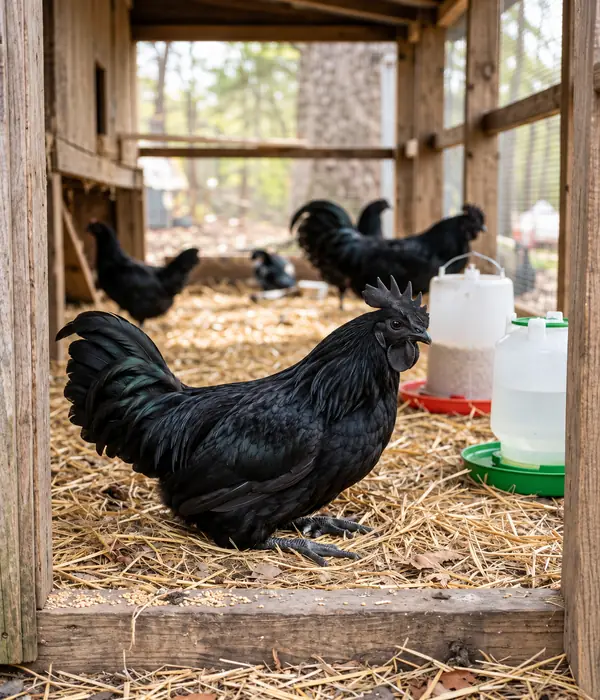
Stand a short distance away and observe your chicken. Are they trying to stand? Are they moving both feet? Are their legs in an unusual position?
 Share on Pinterest
Are they falling over, dragging a leg or using their wings to help them move? Don’t make them walk.
2. Look for Foot and Leg Injuries
If your chicken is stable then have a look at their feet and lower legs. Are there any wounds? Is there any swelling on the footpad? Are their legs obviously deformed? Are there any strings caught or anything wrapped around their toes?
Don’t twist any joints or squeeze any painful areas. Stop handling if they become distressed or struggle to breathe.
3. Check Alertness and Responsiveness
Are they holding their head up and responding to normal noises and movement? A bird that remains bright and alert may have a different pattern of illness. Increasing sleepiness or poor responsiveness is a concerning change.
However they could still have a serious injury or neurological issue. Don’t delay taking them to a vet.
4. Watch Their Breathing
While they are resting observe how they are breathing. Are they breathing with their mouth open? Are their tails moving a lot? Are they gasping or stretching their necks? This can indicate breathing issues.
If they are struggling to breathe then they need urgent help regardless of whether they can stand. Take a look at our article on chicken gasping for air.
5. Check Eating, Drinking, and Droppings
Try to work out when they last ate and drank. If they are sitting by a waterer then they may still not be able to reach it.
Are they having diarrhea? Is there blood in their droppings? Are their droppings unusual? Have they suddenly stopped passing normal droppings? Take a look at our article on chicken poop to see common differences between normal and concerning droppings.
6. Check Comb Color and Body Condition
Is their comb looking unusually pale, blue or purple? Are there any visible wounds? Are they extremely underweight or swollen?
The color of their comb will vary depending on their breed, age and laying status so this cannot be used to diagnose an issue. Take a look at our article on pale comb in chickens to see other changes that can be a concern.
7. Check the Rest of the Flock
Is this an isolated issue? Are other chickens showing unusual weakness or movement? Are there any items that have fallen? Is the flooring damaged? Have they had access to spoiled feed? Are there any obvious hazards?
If multiple chickens are suddenly becoming weak or unable to walk then contact a vet or animal health authority. Don’t move them between locations if you suspect they have a serious contagious disease.
What to Do if Your Chicken Can’t Stand or Walk
1. Contact a Poultry Veterinarian
You should contact a vet as soon as possible. Even if your chicken is still eating and seems alert, it is important to let them know what is happening. Tell them how suddenly your chicken became unable to stand, if one or both legs are affected and if there are any other symptoms.
If your chicken is collapsing, struggling to breathe, rapidly deteriorating, has sustained significant trauma or is showing severe neurological signs then they will need urgent treatment. See our guide on when to call a vet for chickens for more information on when to seek urgent treatment.
2. Provide a Safe, Comfortable Resting Area
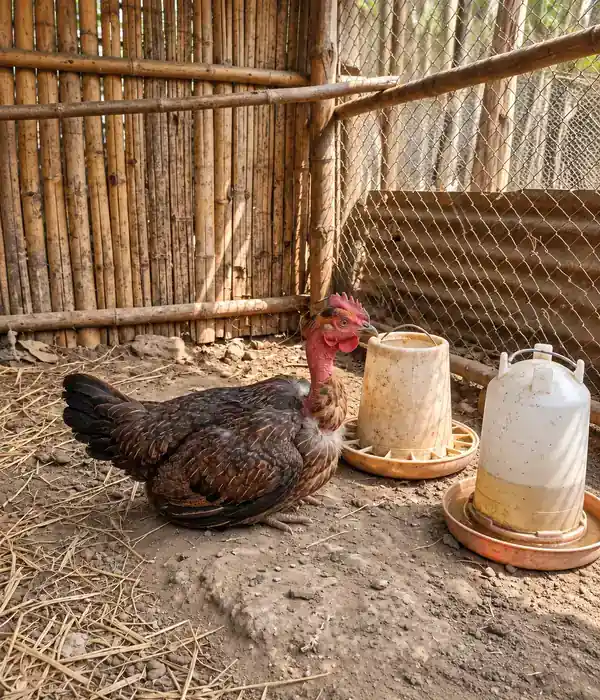
If your chicken can be moved safely and it is not suspected that they have a contagious illness then move them to a quiet area with dry, comfortable and non-slip bedding. Remove any high perches and anything that they could fall from or get stuck underneath.
 Share on Pinterest
Make sure they are in a safe place that will keep them safe from predators, aggressive flock mates and uncomfortable weather conditions. Use nonslip flooring to help them rest comfortably.
3. Keep Food and Water Within Reach
Provide fresh water and complete food that they can easily reach. Use shallow and stable bowls.
If your chicken is alert, able to hold their head up and swallow normally then they may drink on their own. Do not force them to drink by pouring water into their mouth. Liquids or food can enter their respiratory tract if administered incorrectly.
4. Limit Handling and Movement
Too much handling of a weak chicken can cause extra stress and can make their injury worse. If they have a possible fracture then handle them gently to support their body and do not manipulate their leg.
Do not make them stand or walk to see if they are improving. It is safer to have them checked over by a vet.
5. Keep Your Chicken at a Comfortable Temperature
Make sure your chicken is kept away from extreme temperatures, cold and drafts. However, they may not need extra heating and this can be harmful if they are too hot.
Young chicks will have different temperature requirements to older chickens. Make sure you have their brooder set up correctly. If they are weak or collapsing then they will need help from a vet.
6. Protect the Rest of the Flock
Practice good hygiene and use separate equipment for the sick chicken. Wash your hands after handling chickens, bedding and feeding equipment.
If there are multiple chickens affected or if there is a reportable disease suspected then follow the advice of your vet or animal health authority. See our guide on biosecurity for chickens for more information on what you can do to reduce disease transmission.
What to Avoid When Your Chicken Cannot Walk
It can be tempting to try some home remedies, massage or supplements when your chicken suddenly cannot walk. However, this could be due to broken bones, nerve damage, a serious illness or poisoning and doing the wrong thing can make it worse.
- Make them stand or walk.
- Pull, stretch or straighten their legs.
- Try to reset any broken bones or dislocated joints.
- Cut into any swollen feet or deep tissue.
- Give human pain medications, including acetaminophen, or leftover antibiotics.
- Give them random supplements, dewormers or medication.
- Force them to drink by putting liquid into their beak.
- Assume they have Marek’s disease if they have an unusual leg position.
- Put them on slippery flooring or high perches.
- Wait several days to get help.
Your chicken may feel more comfortable with some supportive care but this will not necessarily treat the underlying cause.
How a Veterinarian Checks Walking Problems in Chickens
The vet may start by checking your chicken’s stance, feet, joints, muscles and general condition. They may also check their breathing, hydration, body weight and neurological signs.
Based on their findings they may suggest some X-rays, blood tests, fecal tests or other diagnostic tests. If they suspect a neurological or infectious cause then they may require further lab work.
Before your appointment try to find out some information about your chicken such as how old they are, their breed, what they are eating, their vaccination history and if they have had any recent illnesses. Also tell them if there is any possible injury, new chickens, changes to their feed, exposure to chemicals or if there are any other affected chickens.
If you can record a short video of how they are trying to stand then this can be helpful. However, do not cause them to have an issue multiple times to get more footage.
Can a Chicken Recover if It Cannot Walk?
Some chickens can get better once the underlying cause has been treated. Whether they get better will depend on what caused them to be unable to stand. Recovery may be possible with temporary weakness or a treatable injury, while permanent nerve or bone damage can make recovery less likely.
If they have a treatable foot issue then they may improve with the correct treatment from a vet. However, if they have a serious neurological issue, serious fractures or progressive paralysis then they may not get better.
If they start to move their legs then this does not necessarily mean they are better. They should be able to stand comfortably, reach their food and water and slowly return to normal activity with no obvious pain or distress.
If they are still unable to stand then ask your vet about monitoring, pain relief, rehabilitation and their welfare. Consider their comfort, prognosis and ability to carry out basic activities in the long term.
How to Prevent Common Leg and Walking Problems in Chickens
While you cannot prevent all issues that can affect mobility, good management of your flock can help to reduce some avoidable risks. Paying attention to their environment in the coop and knowing how they should be moving can help you spot issues early.
- Provide complete and balanced feed for their age and purpose.
- Provide strong roosts at a safe height with suitable landing areas.
- Keep the flooring dry, reasonably clean and free from sharp objects.
- Regularly check their feet for any swelling, wounds or foreign objects.
- Avoid overcrowding and aggressive flock behavior.
- Provide feeders and drinkers that can be accessed by all sizes of chicken.
- Follow the correct vaccination and biosecurity advice.
- Store feed safely and remove any spoiled or moldy feed.
- Ensure they are not suffering from temperature related stress or hazards.
- Ensure they can be seen by a vet quickly if they start to walk abnormally or become weak.
Take a few minutes each day to observe your chickens walking, scratching, perching and approaching feeders. Knowing how they should be moving will help you spot any early signs of limping.
Frequently Asked Questions
Why Can’t My Chicken Stand But Is Still Eating?
Your chicken may still be alert and want to eat despite being unable to stand due to an injury, painful feet or neurological issue. They should still be seen by a vet as soon as possible.
Why Has My Chicken Suddenly Stopped Walking?
They may have suddenly stopped walking due to an injury, severe weakness, exposure to toxins or a nerve/muscle issue. Contact a vet as soon as possible. If they are collapsing or rapidly deteriorating then contact a vet.
Is It Always Marek’s Disease If A Chicken Can’t Stand?
No, there are many reasons why a chicken may have weakness or paralysis in their legs. Injuries, infections, nutritional issues and other issues can cause similar symptoms. A veterinarian should investigate the cause.
Can egg-bound Chickens Be Unable To Walk?
A hen with a serious reproductive issue may become weak and reluctant to stand. They may also have frequent straining or an abnormal stance. However, this does not necessarily mean they are egg-bound. They should be assessed by a vet.
What Should I Do If My Baby Chick Can’t Stand?
Check the temperature in their brooder, if they have a safe surface to stand on, access to water and if they have an obvious injury or abnormal stance. If they are weak and unable to stand or are deteriorating then they should be seen by a vet as soon as possible.
Should I Give Them Vitamins?
If a vet identifies or strongly suspects a deficiency then they may need some vitamins. However, they will not necessarily help with all causes of leg weakness. Do not give them random supplements.
Can Chickens With paralysis In Their Legs Get Better?
This will depend on what is causing their legs to be paralyzed. Some issues can improve with the correct treatment while others can cause permanent disability.
How Long Should I Wait To Take My Chicken To The Vet?
Do not wait several days for your chicken to be seen by a vet. Ideally they should be seen the same day. If they are collapsing, struggling to breathe or rapidly deteriorating then they should be seen by an emergency service.
Final Thoughts: Helping a Chicken That Cannot Walk
Your chicken may be unable to stand or walk due to an injury, foot infection, weakness or neurological disease. while some issues can be treated, this can also be a sign of a serious emergency.
Take time to observe how they are moving their legs, if they are alert and eating, drinking and breathing normally. while this can be useful information, it should not replace a vet assessment and should not cause you to force them to move.
Provide a safe place to rest, food and water and avoid unnecessary handling or random treatments. Prompt veterinary assessment helps your chicken receive appropriate treatment.
Veterinary and Research Sources
- Merck Veterinary Manual — Marek’s Disease in Poultry
- Merck Veterinary Manual — Botulism in Poultry
- Merck Veterinary Manual — Vitamin Deficiencies in Poultry
- Merck Veterinary Manual — Common Management-Related Problems in Backyard Poultry
- University of Guelph Animal Health Laboratory — Diagnosing Neurologic Disease in Backyard Chickens
- USDA APHIS — How to Spot Sickness
Veterinary disclaimer: This article is for general information only. It is not a substitute for a qualified poultry vet to examine, diagnose or treat your chicken. If you suspect a reportable poultry disease then please refer to the correct animal health authorities.
