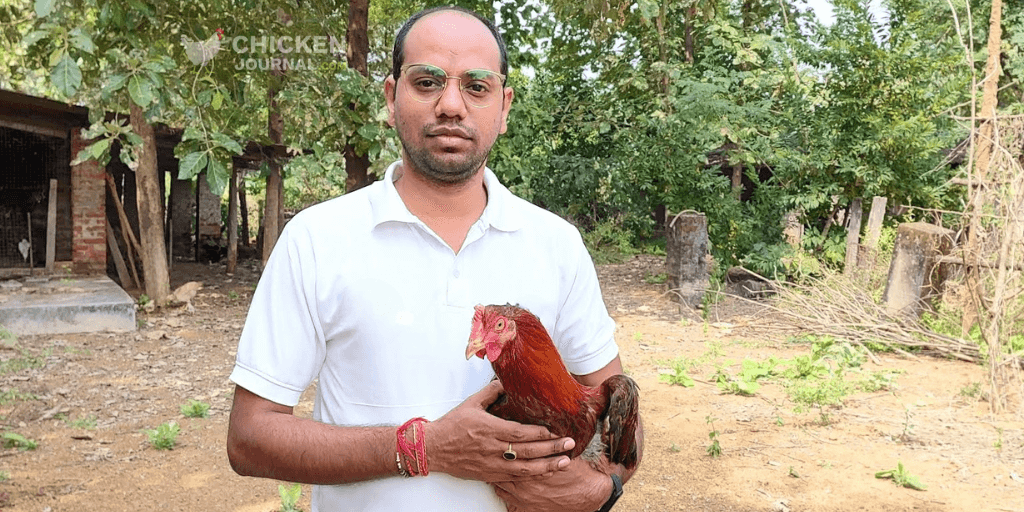

Chickens can be a wonderful family project, especially when your kids are curious about animals and want to help. The learning usually happens in small moments.
A child notices that one hen always reaches the feeder first, counts fewer eggs on a hot day, or realizes that the waterer cannot simply be left empty until later.
That kind of hands-on experience can teach a lot, but it helps to keep your expectations realistic. A backyard flock will not automatically make a child more responsible, patient, confident, or interested in science. What it does give you is a steady stream of real situations where those skills can be practiced.
There is one part parents should take seriously from the beginning. Healthy-looking chickens can carry Salmonella, and young children are more likely to become seriously ill from it.
The CDC advises that children younger than 5 should not handle backyard poultry. Older kids can take part, but good supervision and handwashing need to become part of the routine.
What Kids Can Really Learn From a Backyard Flock
One reason chickens work so well as a family project is that their care is easy to see. Food goes into a feeder. Water disappears from the drinker. Eggs show up in the nest box. Feathers change during molt. Chicks grow almost week by week in front of you.
That makes basic biology feel less abstract. If you hatch eggs, a child can follow the sequence from fertilized egg to embryo, chick, juvenile pullet or cockerel, and finally adult hen or rooster. Broodiness, egg laying, molt, and the pecking order add even more things to notice as the flock matures.
Penn State Extension notes that raising poultry can help children learn responsibility and understand basic life processes. 4-H poultry and embryology projects use chickens for much the same reason. Kids can observe change over time instead of only reading about it.
You do not need to turn every coop visit into a lesson. In fact, that can take the fun out of it. Let questions come up naturally. Why is that hen sitting in the nest so long? Why did egg numbers drop this week? Why do the birds crowd into shade in the afternoon? Those questions lead into useful discussions about reproduction, weather, behavior, nutrition, and health.
If your child is interested in hatching, the chicken life cycle guide and hatching chicken eggs guide are useful places to continue.
Chicken Chores Can Make Math Feel Useful
Counting eggs is the obvious one, but there is much more you can do without making the coop feel like homework. Keep a small notebook near the egg basket and write down the daily total. After a few weeks, your child can compare weekdays, add a weekly total, or make a simple graph.
Feed works well too. Weigh a scoop, check how many days a bag lasts, or estimate how much the flock eats in a week. If your child is older, measuring a coop or run gives you a natural reason to use feet, square feet, multiplication, and division.
The point is not to prove that chicken keeping improves math scores. It simply gives numbers a purpose. A measurement matters more when you are trying to work out whether ten hens have enough space or whether a feeder will last through the weekend.
Give Your Child a Real Job, but Keep an Adult Safety Net

Daily care is where responsibility becomes real. Chickens still need breakfast on a busy school morning. Their water still needs checking when everyone would rather stay indoors. The coop door still needs to be secured at dusk.
That does not mean you should let the birds pay for a forgotten chore. If your child forgets the waterer, you refill it. If the coop door was not latched properly, you fix it. Then you talk about what went wrong.
A good rule is simple: the child can own the chore, but the adult still owns the welfare of the flock. That keeps the responsibility meaningful without turning thirsty birds or a predator attack into a teaching method.
Which Chicken Chores Fit Different Ages?
Age matters, but maturity matters more. One 9-year-old may be calm around a hen and careful about washing hands, while another may still chase birds or forget not to touch their face. Match the job to the child in front of you.
For younger school-age kids, egg counting, keeping a record, or helping you check feed and water is often enough. As they get older, they can collect eggs, refill feeders, help move a lightweight waterer, or watch the flock for anything unusual.
Older children and teens may be ready for light coop cleaning, moving portable fencing, or helping with a routine health check. Even then, an adult should stay involved. Medication, badly injured birds, unexplained deaths, and heavy manure cleanup are not jobs to hand over casually.
Night lock-up can be a good job for an older child, but check the door yourself until you are completely confident in the routine. A raccoon only needs one bad latch.
Children Under 5 Need a Different Kind of Chicken Experience
Preschoolers are often the ones most excited by fluffy chicks, but they are also the group that needs the strongest boundary. CDC advises that children younger than 5 should not handle backyard poultry because they are at higher risk of serious illness from germs such as Salmonella.
They can still enjoy the flock. Let them watch from outside the run with you, point out colors, count birds, listen to sounds, or help name the hens. Keeping the experience observational is much safer than handing a chick to a toddler for a photo.
The Salmonella Rules Kids Need to Know
Backyard poultry can carry Salmonella without looking sick. That is why hygiene has to become as normal as filling the feeder.
After touching chickens, eggs, bedding, feeders, waterers, or anything inside the coop and run, wash hands with soap and water. Younger children need help doing this properly. Hand sanitizer is useful when a sink is not nearby, but it should not replace a thorough wash when you get back inside.
Keep food and drinks out of the chicken area. Do not let children kiss birds or press them against their face. Coop boots are better left outside, and poultry equipment should be cleaned outdoors rather than carried through the kitchen.
These rules can feel strict until they become habit. Once they are part of the routine, they barely take any thought.
Teach Kids to Handle Chickens Without Chasing Them
A friendly hen may tolerate being held, but that does not mean she wants to be caught every ten minutes. Chasing birds around the run is stressful for the flock and usually makes them harder to handle the next time.
Show your child how to approach slowly, support the bird’s body, and keep the wings gently against the sides. Avoid squeezing the chest. Never lift a chicken by a wing, the neck, or a single leg.
If the bird begins struggling hard, put her down rather than trying to “win.” Learning to notice when an animal has had enough is part of good handling too.
The chicken behavior guide can help older kids understand why a hen crouches, why birds chase each other, how alarm behavior looks, and when a quiet bird may actually be unwell.
Egg Collecting Is One of the Best Starter Chores
For a school-age child who follows hygiene rules, collecting eggs is simple, satisfying, and easy to check. You know right away whether the job was done.
Give your child a clean basket or carton and show them how to lift eggs gently from the nest. Cracked eggs should be discarded rather than put in with the rest. Hands need washing afterward even if no chicken was touched.
Egg collecting also opens the door to useful questions. Why is one shell rough? Why are some eggs lighter? Why did production fall this week? Those are better learning moments than forcing a lesson at the kitchen table.
If you need storage guidance, see how long fresh eggs last.
Be More Careful With Coop Cleaning
Cleaning the coop sounds like an obvious responsibility chore, but it is not the best starting job for younger children. Poultry litter contains manure, and dusty bedding can put a lot of material into the air.
An older child or teen can help with lighter cleaning if you provide gloves, good ventilation, and close supervision. Heavy manure removal, moldy bedding, or any cleanup around a disease problem is better left to an adult.
Do not send a young child alone into a closed, dusty coop with a shovel. There are plenty of safer jobs that still feel important.
The full cleaning routine is covered in the chicken coop cleaning guide.
Sick Birds and Dead Birds Stay With the Adults
Kids can be excellent observers. They may be the first to notice that a hen did not run over for feed or that one bird is standing by herself. Encourage that. Noticing a change is useful.
Handling the sick bird is different. Catching, examining, medicating, or disposing of a bird that died unexpectedly should stay with an adult.
Avian influenza is still a concern for U.S. backyard flocks. If several chickens become seriously ill or die suddenly, keep children away from the birds and contaminated area while you follow current state animal-health, USDA, or veterinary guidance.
This is one place where “helping” can simply mean telling you what they noticed.
Chickens Make Food Feel Less Anonymous
An egg in a carton is just an egg. An egg your child collected from the nesting box has a history. They have seen the hen eat, drink, scratch, roost, and lay.
That makes it easier to explain why animals need steady care and why food production uses real resources. You can also talk about feed without creating another common myth. Kitchen scraps can be occasional treats when they are suitable, but they do not replace a complete poultry ration.
If you compost chicken litter correctly, the garden gives you another useful connection. Feed comes onto the property, chickens turn part of it into manure, the manure is managed, and finished compost can return nutrients to the soil. It is a much better lesson than telling children that “nothing is wasted” when real farm systems are never that simple.
A Few Minutes Outside Adds Up
Chicken keeping will not magically solve screen-time battles. It does, however, give a child a reason to step outside that has nothing to do with being told to “go play.”
An evening egg check can turn into ten minutes watching hens settle on the roost. Filling the feeder may lead to noticing ants, a new feather, muddy ground, or the first cold morning of fall. None of that needs to be planned in advance.
That repeated contact with weather, animals, plants, insects, and seasons is one of the quieter benefits of keeping a flock with older children.
What About Empathy and Confidence?
Chickens give you chances to talk about both, but it is better not to promise an outcome. A child who learns to stop chasing a nervous hen has practiced reading an animal’s limits. A child who finally learns how to hold a calm bird safely may feel proud of that skill.
Those moments matter because they are specific. Instead of telling your child to “be gentle,” you can show what gentle handling actually looks like. Instead of telling them to “be responsible,” you can point to a waterer that needs refilling before school.
That is a much more believable benefit than claiming chicken ownership automatically makes kids kinder or more confident in every part of life.
When a Chicken Dies
This is the part of keeping animals that no family enjoys. A chicken may die from age, illness, injury, or a predator, and children respond to that loss in very different ways.
Use plain language that fits your child’s age. Avoid turning the death into a forced lesson about resilience, and do not make a child feel responsible for something they could not have prevented.
If the death was sudden or unexplained, keep children away from the carcass until you have ruled out a disease concern or followed the advice of your veterinarian or local animal-health authority.
A Very Simple Chicken Project for Kids
If your child enjoys writing things down, keep one page a week. Record the egg total, one weather note, one behavior you noticed, and one chore completed with an adult.
After a month, look back. You may find that laying slowed during a heat wave, one hen became broody, feed use changed, or the flock started spending more time under one tree. That is enough to turn ordinary care into observation without making it feel like schoolwork.
FAQs About Raising Chickens With Kids
What age can kids start helping with chickens?
CDC advises that children under 5 should not handle backyard poultry. For older kids, start with jobs that match their maturity and hygiene habits. Egg counting or a supervised feeder check is easier than handling birds or cleaning litter.
What is a good first chicken chore?
Egg counting is hard to beat. It is quick, easy to verify, and gives you something to track over time. Supervised egg collection is another good choice for a school-age child who follows handwashing rules.
Can kids get Salmonella from backyard chickens?
Yes. Chickens can carry Salmonella while looking completely healthy. Wash hands after touching birds, eggs, bedding, feeders, or waterers, and do not let children kiss or snuggle chickens.
Should kids clean the chicken coop?
Young children should not be doing manure-heavy cleaning. An older child or teen may help with lighter jobs under supervision, but dusty, moldy, heavily soiled, or disease-suspect material is better handled by an adult.
Can a child give medicine to a chicken?
Keep medication as an adult job. Correct dosing, withdrawal times, diagnosis, and safe restraint can all matter. A child can help by recording what the bird is doing or whether it ate and drank.
Do chickens really teach responsibility?
They give children a good place to practice it. The routine is real and the animals depend on consistent care. Just remember that the adult remains responsible for making sure every essential job actually gets done.
Final Thoughts
The best part of raising chickens with kids is usually not a big lesson. It is the collection of small routines that build up over time.
There is the first egg they find without help, the hen they finally learn to hold calmly, the morning they remember the waterer before you remind them, and the week they notice egg production changed before you do.
Keep the safety rules firm, especially around Salmonella, young children, sick birds, and coop hygiene. Keep an adult behind every essential chore. Then let the rest stay simple. Chickens already give kids plenty to notice without turning every visit to the coop into a lesson plan.
Sources
- CDC: Healthy Families and Flocks
- CDC MMWR: Avian Influenza Knowledge and Practices Among Backyard Flock Owners, 2026
- Penn State Extension: Should You Raise Poultry?
- Pennsylvania 4-H: Embryology Project
- Pennsylvania 4-H: Poultry Raising Projects and Handling
- University of Missouri Extension: Hatching Chicks in the Classroom