
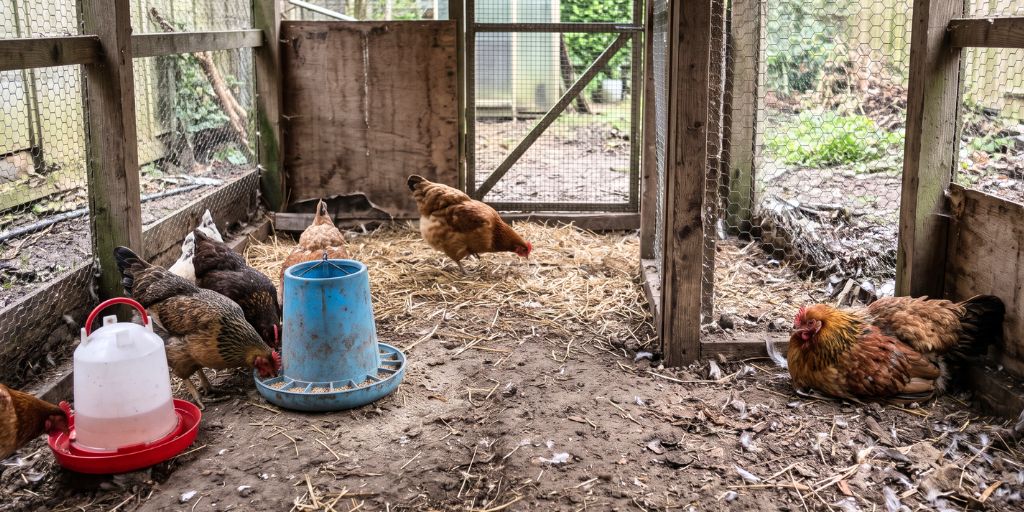
Finding a chicken that is not eating can cause concern. As the rest of the flock rushes to the feeders, you may notice your chicken is not showing the same interest in its usual feed.
They may just sit in a corner and not interact with the rest of the flock. In some cases this can be due to simple reasons like heat stress.
However, it can be a sign of them not feeling well, being in pain, dehydration, or a more serious issue internally. There are many reasons why your chicken may not be eating or drinking.
It is important to look at the overall picture. If your chicken is not eating much but is still drinking, then this is a different situation than if they are not able to stand and are not drinking at all.
This guide will help you understand why your chicken may not be eating or drinking, how to identify common issues, and what you can safely do while waiting to speak to a vet.
Is It Normal for My Chicken to Eat Less?
Healthy chickens will usually spend some of their time foraging and at feeders. However, how much they eat will depend on their age, the weather, their breed, their reproductive status, and their activity levels.
Sometimes they will not eat as much during hot weather or may stop eating for a short period of time if there have been changes in their environment. However, if they suddenly or consistently eat much less than normal, then this should be looked into.
Changes in food and water intake are often an early sign that your backyard poultry are not feeling well. Chickens often hide when they are unwell, so they may not show obvious signs.
However, they may still be walking around with the rest of the flock despite not eating as much. It can be more useful to look at how they are acting compared to their usual behavior.
When Reduced Eating May Not Be a Problem
If your chicken is not eating much for a short period of time but is still alert, moving well, and drinking, then this may not be a problem.
This can include:
- Less eating due to it being very hot.
- Changes to their feed.
- Broody hen eating less.
- Stress in the flock causing them to eat less.
- Eating less at one feeding time but then eating normally again.
However, it is still a good idea to keep an eye on them, as each chicken will have different feeding patterns. If they continue to not eat or show other signs, then please contact a poultry vet.
When Reduced Eating Should Cause Concern
If your chicken is not eating and showing other signs, then this should cause concern. Not drinking is of particular concern, as they can become dehydrated while unwell, having diarrhea, or having heat stress.
Look out for:
- Not eating or drinking.
- Standing on their own with puffed-up feathers.
- Closed or half-closed eyes.
- Significant weakness or difficulty standing.
- Abnormal breathing or gasping.
- Persistent diarrhea or blood in feces.
- Full crop.
- Straining or bloating.
- Weight loss.
- Multiple chickens becoming unwell.
If your chicken is showing signs of weakness, not drinking, collapsing, or difficulty breathing, then they need urgent veterinary attention.
Chicken Not Eating vs Not Drinking
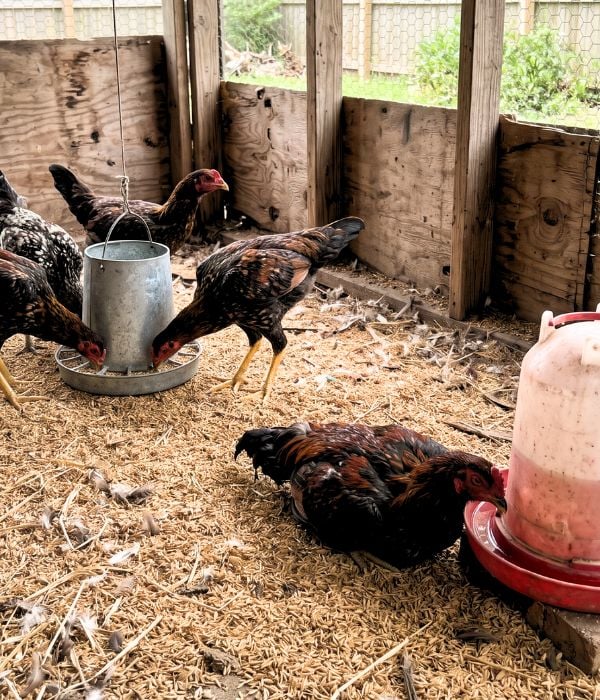
There is a strong link between food and water intake. However, sometimes your chicken may not be eating as much but still drinking.
This can often be due to it being hot. Not drinking is of particular concern, as they need to be properly hydrated for their body to function.
If they are already unwell, they may become weaker.
| What You Notice | Reason | What to Do |
|---|---|---|
| Not eating much but drinking due to the heat. | Reduced appetite due to heat. | Provide shade and cool water. Monitor. |
| Not eating much due to a change in feed. | Preference to the feed, unfamiliar texture, or another issue. | Check the quality of the feed. Monitor. |
| Not eating but drinking. | Illness, pain, crop issue, or reproductive issue. | Seek veterinary advice. |
| Not eating or drinking. | Significant illness, weakness, or inability to access food/water. | Contact a vet. |
| Unable to stand or access the waterer. | Significant weakness, injury, or neurological issue. | Seek emergency veterinary attention. |
| Multiple chickens not eating. | Issue with food/water, environmental issue, or contagious disease. | Check food/water. Contact a vet or animal health authority. |
This table is to help you organize what you have noticed. There are many reasons why your chicken may be showing these signs.
Why Is My Chicken Not Eating or Drinking?
There are many reasons why your chicken may suddenly stop eating or drinking. Some can be due to environmental or flock issues.
However, some are due to underlying health issues and should be seen by a vet.
1. Heat Stress
A common reason for chickens not eating much is due to the heat. Chickens produce heat when digesting their food, so they may not eat as much.
Often chickens will drink more and eat less when they are suffering from heat stress. In severe cases they may become weak, wobbly, or unable to cope with the heat.
You may notice them panting, standing in the shade or holding their wings away from their body. Ensure they have plenty of shade, good ventilation, and clean cool water.
If they are severely weak, collapsing, or struggling to breathe, then they need emergency veterinary attention.
2. Crop Issues
The crop is a pouch in the digestive system that stores food temporarily. If there is an issue with the crop emptying properly, then this can cause issues with eating.
Your chicken may eat less, look uncomfortable, regurgitate, or have an abnormally full crop. However, it is often normal for the crop to be full in the evening, as they will store food.
The crop should generally be much smaller after a night without food. If they are regularly showing signs of an abnormally full crop in the morning, then a vet should be consulted to see if it is taking longer to empty or due to an underlying issue.
Do not press on the crop, turn them upside down, or try to push anything out of their mouth. See our guide for more information on this issue – Chicken Crop Still Full in the Morning.
3. Digestive Issues & Intestinal Parasites
Digestive issues can cause your chicken to not eat as much. They may have an intestinal infection, parasites, or another gastrointestinal issue causing them to lose weight and not eat as much.
Some chickens may have diarrhea and look uncomfortable. Others may become quiet and isolate themselves.
One important issue to consider is coccidiosis. Young chickens can become lethargic and have diarrhea and blood in their feces.
However, the condition is not specific enough to diagnose without proper assessment. Check their feces and see if they are showing consistent changes.
See our Chicken Poop Guide for information on what changes can be normal.
4. Respiratory Infection
Chickens with a respiratory infection may not want to eat due to feeling unwell. They may have a runny nose, cough, sneezing, swollen face, and abnormal breathing.
They may suffer from diseases such as infectious bronchitis, infectious coryza, or Mycoplasma gallisepticum. Other serious poultry diseases can cause respiratory signs and weakness.
If your chicken is gasping for breath, then they need to be seen by a vet. See our Chicken Gasping for Air Guide for more emergency signs.
5. Egg Binding & Reproductive Issues
Sometimes laying hens can suffer from reproductive issues. This can cause pain and reduced eating.
They may have an egg that is not passing properly, inflammation, or another internal issue. They may show signs of straining repeatedly, an abnormal posture and become weak and inactive.
Some may also have a swollen abdomen and difficulty passing their feces. These signs can be due to a number of unrelated issues so should not be diagnosed based on appearance.
If your hen looks weak, strains repeatedly, or appears unable to pass an egg, then contact a poultry vet urgently. Do not try to repeatedly massage their abdomen or break an egg inside them.
This can cause further injury and delay correct treatment.
6. Mouth/Beak Issues
Your chicken may want to eat but be unable to do so comfortably. They may have an injury to their beak, mouth, or surrounding area.
You may notice them going to the feeder but dropping food. Another chicken may avoid eating due to pain when moving or standing near the feeder.
Look for any visible injuries, abnormal beak alignment, swelling, or other obvious issues. Do not try to open their mouth.
A vet can examine the area to see if treatment is required.
7. Being Bullied
Sometimes chickens will not eat enough due to being bullied by other chickens. A dominant hen may chase a smaller or shy chicken away from the feeder repeatedly.
This can be made worse if there is overcrowding at the feeders. If there is only one feeder or waterer, then they may struggle to eat.
The bullied chicken may wait until the rest of the flock have moved away before trying to eat. Watch them from a distance to see if they are all getting a reasonable chance to eat and drink.
Adding extra feeding stations can help. See our Chicken Pecking Order Guide for information on normal social behavior and aggression.
8. Broody
A broody hen will often sit on their nest for long periods of time. They may not eat as much and only leave the nest for short periods to drink, eat, and pass their feces.
This can be normal when they are broody. However, if they are looking weak, unresponsive, or obviously unwell, then they may need veterinary attention.
Check that they are able to leave their nest comfortably and have access to food and water. If they appear dehydrated, unable to stand, or have abnormal breathing, then contact a vet.
9. Sudden Change in Feed
Sometimes chickens will not eat as much if the appearance, texture, or taste of their feed changes. However, if a whole flock suddenly refuse to eat the same feed, then it may be due to contamination or poor-quality feed.
Check the feed for mold, dampness, unusual smells, or spoilage. Do not offer any feed that looks contaminated.
Ensure they are receiving a complete feed suitable for their age. Do not offer too many scraps, scratch, or treats to encourage them to eat if they are unwell.
10. Serious Infectious Disease or Toxins
Sudden loss of appetite can be due to serious contagious diseases. This can include highly pathogenic avian influenza.
Other signs may include difficulty breathing, neurological issues, diarrhea, sudden drop in egg laying, or unexplained deaths. Loss of appetite and lethargy are signs you should be aware of.
If multiple chickens become seriously unwell in a short period of time, then they need urgent attention. They can also become suddenly unwell due to exposure to toxins, contaminated feed, or other environmental hazards.
Do not try to identify or treat any suspected poisoning. If you suspect bird flu or another reportable poultry disease, then contact your state veterinarian or the USDA at 1-866-536-7593.
Do not move any affected birds or equipment until you have received instructions.
How to Tell if Your Chicken May Be Dehydrated
If your chicken is not drinking enough, they may become dehydrated. This can be made worse if they have diarrhea, heat stress, or another illness.
They may also be too weak to access water.
Signs to look out for include:
- Abnormal weakness or unresponsiveness.
- Not drinking much.
- Very unwell chicken with sunken eyes.
- Low activity or unable to stand.
- Persistent diarrhea or fluid loss.
- Signs of heat stress and increased weakness.
- Overall poor body condition.
These signs are not reliable for telling how dehydrated they are. A vet may need to assess them to see if they need professional treatment.
How Much Should My Chicken Drink?
Water intake can vary greatly depending on their size, how much they are eating, temperature, humidity, and what stage they are in. Generally they will need more water the hotter it is.
Laying hens may drink about two to three times as much water by weight as the feed they eat. The best thing to do is ensure they have access to clean water throughout the day.
In hot weather you may need to check their waterers more regularly.
What to Do if Your Chicken Will Not Eat or Drink
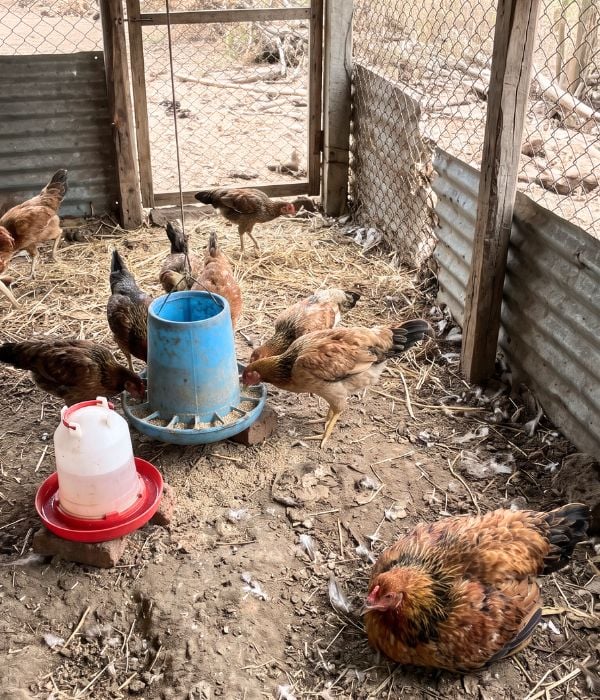
If your chicken will not eat or drink, then they should be assessed. The following steps can help identify any obvious management issues and arrange for veterinary advice.
1. Observe Your Chicken
Observe your chicken for a few minutes. Are they standing normally, alert and interested in what is going on with the rest of the flock?
Are they going to the feed but not eating? Or are they avoiding altogether?
This can help a vet identify if they are in pain, weak, being bullied, or having digestive issues.
2. Look for Emergency Signs
If your chicken is showing signs of severe weakness, collapsing, abnormal breathing, straining, or neurological issues, then they need urgent veterinary attention. If they are not able to drink, look dehydrated, or are deteriorating quickly, then do not wait overnight.
See our When to Call a Vet for a Chicken Guide for more emergency signs.
3. Check the Feed & Water
Check that the waterer is working and they have access to clean water. Check the feed for any spoilage, unusual smells, dampness, or recent changes.
Replace any visibly spoiled feed. Ensure they have access to their usual complete feed.
4. Isolate if Suspected Illness
If they are suspected to be unwell, then isolating them can make it easier to observe them and reduce contact with other chickens. Place them in a secure, clean and well-ventilated area with their own feed and water.
Try not to handle them unnecessarily. A weak chicken can become stressed if they are moved or handled repeatedly.
If they are suspected to have a serious contagious disease, then contact veterinary/animal health authorities for instructions.
5. Provide Easy Access to Water
Ensure they have easy access to fresh water. If they are alert and able to drink, then let them drink normally.
Do not force feed them water. This can cause serious issues if done incorrectly, and the fluids can go into their respiratory system.
6. Check the Crop
Look at the crop area. Do not press on it or manipulate it repeatedly.
Is it looking abnormally full? Are they passing feces?
This can give useful information on how much they are eating. However, it cannot be used to diagnose.
7. Check the Rest of the Flock
Are other chickens also not eating as much? They may have an issue with the water, contaminated feed, heat stress or contagious disease.
Look for any changes in their activity, breathing, diarrhea, or egg laying. Note which chickens are affected and when.
8. Contact a Poultry Vet
Tell them when they last ate or drank normally. Are they getting worse?
Tell them their age, egg-laying activity, any changes to their feed, weather, feces, and any other signs. If possible, provide photos or short videos of their behavior.
Ask if they need to be seen urgently or for diagnosis.
What NOT to Do
It can be tempting to try a variety of treatments. However, this can make the situation worse.
Do not:
- Force feed a weak chicken.
- Pour water/liquid feed into their beak.
- Give human appetite boosters or cold medicine.
- Give any leftover antibiotics.
- Aggressively massage a full crop.
- Turn them upside down to empty their crop.
- Give them oils or homemade mixtures for suspected blockage.
- Start random deworming medication.
- Assume electrolytes will help with all illnesses.
- Wait several days if they are not drinking or getting weaker.
A vet may recommend feeding them with assistance, giving them fluids or specific medication. This should be tailored to their diagnosis and condition.
Should I give electrolytes to a chicken that isn’t eating?
Electrolytes can be useful in some cases but shouldn’t be used as a replacement for treating the underlying cause of your chicken not eating. If your bird is able to drink, then a vet may recommend using a proper poultry electrolyte solution.
Always follow professional advice and the instructions on the product. Do not try to administer electrolytes via a syringe to a weak, panting, or struggling chicken.
Your chicken may need veterinary treatment with fluids.
How will my vet diagnose why my chicken isn’t eating?
Your vet will likely start by performing a physical exam on your chicken. They will look at how your chicken is presenting, how alert they are, their breathing, and their general body condition.
They may also look at the crop, mouth, abdomen, feet, and reproductive organs. Depending on the symptoms and history of your flock, your vet may recommend various tests.
If your chicken has signs of a digestive issue, then they may want to do different tests compared to a hen with signs of egg binding.
They may want to do:
- Fecal tests for parasites or digestive issues.
- Blood tests for general health.
- PCR tests for certain infectious diseases.
- Bacterial culture.
- Imaging for any internal or reproductive issues.
- Crop checks or further digestive tests.
- Necropsy or flock testing if there have been any unexpected deaths.
Not all chickens will have all of these tests. Your vet will choose the best option for your chicken.
Treatments for a chicken that isn’t eating or drinking
There isn’t one safe treatment to get your sick chicken to eat. The treatment will depend on why your chicken isn’t eating.
Heat Stress
Move your chicken somewhere cooler, shady, and well ventilated. If they are very unwell, then they will need to see a vet quickly.
Your vet may also recommend further treatments for dehydration. Not all chickens will be refusing to eat due to heat stress in the summer.
Crop Issue
Treatment will depend on if your chicken has a blockage, empty crop, or other digestive issue. Your vet may recommend dietary changes, medication, or other treatments.
Do not try to empty the crop by turning your chicken upside down. This can cause regurgitation into the respiratory system.
Infection
Depending on the infection your chicken has, treatment will vary. Viruses won’t respond to antibiotics, so don’t give any unless under the correct advice from a vet.
Some infections may require medication, supportive care, isolation, or flock management. If your chicken is laying eggs, then you also need to take into account any restrictions on medication and withdrawal times.
Injury/Pain
Your chicken may be avoiding eating due to pain when moving or swallowing. Your vet may recommend pain relief, wound care, or other treatments.
If your chicken has an injury to their beak or an internal issue causing pain, then just giving them food won’t help. The underlying issue needs to be identified.
Broodiness or Flocking Issues
If your hens are broody, then you may need to carefully monitor them to ensure they are still able to eat and drink enough. If another chicken is being bullied, then you may need more feeding stations and correct flock management.
Don’t assume they are just being broody or submissive. They could be suffering from a serious illness.
Can a sick chicken recover from not eating?
Many chickens can recover if the underlying issue is identified quickly and the correct treatment is given. Depending on the illness, how severe it is and how long they have had it for will determine if they can recover.
If your chicken has just stopped eating for a short period of time due to changes in feeding, then they may recover once the issue is resolved. If they are very dehydrated, have a reproductive issue, or have a serious infection, then they may need urgent treatment from a professional.
Don’t assume they are fully recovered if they start to eat more. Continue to follow your vet’s advice and monitor how they are drinking, being active, their droppings, and their behavior.
Prevention
While not all illnesses can be prevented, you can reduce many common issues by managing your chickens well on a daily basis. Monitoring your chickens can help identify any changes in their behavior early.
Clean Water
Ensure all of your waterers are working and your chickens can access them. Clean regularly and more often in hot weather.
Try to keep the water cool, clean, and not too warm. Ensure all chickens can access the water, including smaller or more submissive ones.
Balanced Diet
Feed your chickens a complete feed suitable for their age and production. Store in a dry place to reduce spoilage and pest infestation.
Try to limit treats and scratch grains. A balanced feed will help their general health but won’t prevent all digestive and infectious issues.
Enough Feeding
Monitor if your chickens are being bullied by dominant chickens. Add extra feeding or watering stations.
Pay extra attention to smaller chickens or new additions, as they may struggle to access.
Prevent Heat Stress
Provide shady areas and good ventilation in warm weather. Check water more often in heat waves and high humidity.
Monitor your chickens for heavy panting, weakness, or abnormal behavior. Severe heat stress can become dangerous quickly, and they will need urgent vet treatment.
Clean and Dry Coop
Remove any damp bedding and fix any leaking waterers or roof. Provide good ventilation to reduce dampness, dust, and ammonia, but avoid strong drafts over the roosting area.
Poor housing can cause irritation to the respiratory system. Keeping your coop clean will help reduce some environmental risks.
Good Biosecurity
Keep new chickens separate until they have been quarantined correctly. Talk to your poultry vet about testing, as some infections can be carried without showing symptoms.
Keep feed and water protected from wild birds. Don’t share dirty equipment between flocks.
See our Chicken Biosecurity Guide for more information.
Know Your Chickens
Monitor your chickens when they are eating, drinking, resting, and generally. If they suddenly stop eating with their usual group, then they may be showing early signs of illness.
Monitor their body condition, breathing, movement, and egg laying. See our How to Keep Chickens Healthy guide for more tips.
When to See a Vet
If your chicken suddenly stops eating and drinking, then see a poultry vet as soon as possible. If they continue to refuse to eat and have other symptoms, then see a vet.
If your chicken is collapsing, unable to stand, struggling to breathe, or showing serious neurological symptoms, then seek urgent vet treatment. If they are suspected to have egg binding, poisoning, serious injuries, or severe dehydration, then they will also need urgent treatment.
If multiple chickens stop eating and have other symptoms, then it may be an issue with the whole flock. If they suddenly die for no reason or have serious respiratory or neurological symptoms, then report to your state vet or USDA as soon as possible.
Frequently Asked Questions
Why isn’t my chicken eating but still drinking?
Your chicken may not be eating due to heat stress, a crop issue, pain, infection, or other illness. It’s great they are still drinking, but if they are still weak, then they could have a serious issue.
Why isn’t my chicken drinking?
Your chicken may be unable to access water, be very weak or injured, or have another health issue. If they aren’t able or willing to drink then see a poultry vet as soon as possible.
How long can a chicken go without eating?
There is no reliable time frame for this. It depends on their age, temperature, hydration, and underlying illness. If they are refusing to eat while unwell then they should be checked as soon as possible. Especially if they are weak.
What can I feed a sick chicken that isn’t eating?
If your chicken can eat then offer them their usual complete feed. Ensure they have easy access to clean water. Don’t force feed or use home remedies. The underlying issue may need specific treatment.
Why is my chicken standing and not feating?
Standing still and not eating can be a sign they are weak, in pain, or suffering from heat stress or an illness. If they have puffed-up feathers, closed eyes, abnormal droppings, or are struggling to move, then see a vet as soon as possible.
Can a chicken stop eating due to egg binding?
Yes. Reproductive issues such as egg binding can cause discomfort, weakness, straining, and a reduced appetite. If your hen is showing these symptoms, then they should be seen by a vet as soon as possible. Don’t try to massage their tummy multiple times or attempt to remove an egg at home.
Can a chicken recover from dehydration?
It depends on how severe the dehydration is and what caused it. If it’s mild, then they may start to improve once they start drinking normally. If they are very weak or aren’t drinking, then they may need fluids from a vet.
When is it an emergency if my chicken isn’t eating or drinking?
If your chicken isn’t able to drink, is collapsing, struggling to breathe, or very weak, then it’s very urgent. If multiple chickens suddenly become seriously unwell, then see a vet or animal health as soon as possible.
Summary
While your chicken eating a little less isn’t necessarily an emergency, if they suddenly refuse to eat or drink, then it’s worth looking into. They may be showing early signs of illness, pain, dehydration, or an underlying issue.
Monitor their behavior as a whole. Make sure they have access to water and good-quality feed, their crop is okay, their droppings are normal, the environment is okay, and the rest of the flock is healthy.
Don’t force feed or medicate a weak chicken. If they aren’t able to drink, are getting worse quickly, or are showing emergency symptoms, then see a poultry vet.
Identifying changes in their eating and drinking behavior can help you act quickly.
Veterinary and Research Sources
- Merck Veterinary Manual – Physical Examination of Backyard Poultry
- USDA APHIS – How to Spot Sickness in Poultry
- University of Minnesota Extension – Preventing Heat Stress in Poultry
- Oregon State University Extension – How to Feed Your Laying Hens
- CDC – Backyard Flock Owners and Bird Flu
If you suspect your chickens have a serious or reportable illness, then report to the relevant animal health authorities.
