
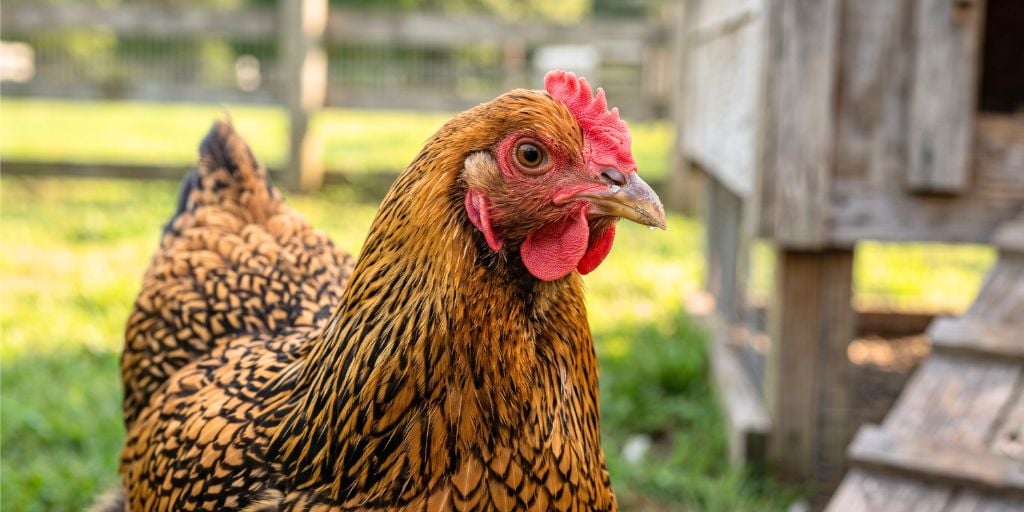
While finding a chicken with a runny nose may not immediately cause concern, sometimes you may notice some watery discharge coming from the nostrils. However, if it is persistent throughout the day or is thick, sneezing, swollen eyes and loss of interest in eating may occur.
A chicken runny nose can be caused by many different issues, including irritation and infectious respiratory diseases. While the discharge can give you some indication of the issue, it will not tell you what disease your chicken has.
The discharge may change throughout the course of the infection and can be caused by many different diseases. When keeping chickens in a backyard setting, it is important to know if the discharge is persistent, if the chicken is breathing normally and if other birds are getting ill.
This article will give you an idea of what different types of discharge may indicate and what to look out for. We will also give you some safe things to do at home and when to seek veterinary advice.
Is A Runny Nose Normal In Chickens?
A healthy chicken should not have any persistent discharge from the nostrils. However, sometimes there may be a small amount of runny discharge from around the beak.
This may occur if the hen dips her beak into the waterer. Dust or irritation can cause some sneezing and watery discharge.
However, if the chicken is otherwise acting normally and is eating, drinking and breathing comfortably, this may not be an emergency. However, if there is persistent discharge from the nostrils.
For example, when you go to check your chickens in the morning you may notice one of your Rhode Island Reds has some damp feathers around the nostrils. Later in the day, she may still have a runny nose, sneezing and shaking her head.
The next day you may notice some cloudy discharge from around the beak. This would be something to investigate.
Less Concerning Signs
- Brief runny nose from the nostrils.
- Occasional sneezing after being in dusty feed.
- Breathing normally.
- Eating and drinking normally.
- Acting brightly and lively.
- No swollen eyes or facial discharge.
- Other chickens not showing similar symptoms.
While these are positive signs, they do not completely rule out an early respiratory infection.
More Concerning Signs
- Persistent or recurring discharge from the nostrils.
- Thick, cloudy, yellow/green discharge.
- Crusts around the nostrils.
- Frequent sneezing or coughing.
- Bubbling or discharge from around the eyes.
- Swollen under one or both eyes.
- Difficult breathing.
- Loss of appetite or egg laying.
- Multiple chickens showing respiratory symptoms.
The more symptoms you can identify, the more important it is to contact a poultry vet.
Watery Or Thick Runny Nose In Chickens
The type of discharge can help you describe the issue. However, neither of these indicates a particular infection.
| Type of Discharge | Description | Possible Cause |
|---|---|---|
| Clear & Watery | Thin, transparent discharge around the nostrils | Irritation, early stage infection or inflammation. |
| Cloudy/White | Less transparent discharge. | Increased mucus or respiratory disease. |
| Thick Yellow/Green | Sticky discharge around the beak. | Inflammation, infection or secondary issues. |
| Dry/Crusted Discharge | Partially covers the nostrils. | Persistent discharge. |
| Blood/Rusty | Red/Rusty discharge near the beak. | Injury or serious respiratory issue. |
| Runny Nose & Swollen Face | Wet nostrils with swollen face. | Sinus inflammation or infectious disease. |
This table should only be used as a guide. You cannot accurately determine the cause of the discharge by the color of mucus coming from the nostrils.
Chickens with clear discharge may have an infectious disease, while thick discharge may be due to multi-organism inflammation.
Clear Watery Runny Nose
A clear runny nose is often what chicken keepers notice first. There may be a thin layer of discharge around the nostrils or just a small amount of moisture on the top of the beak.
This can be due to dust, irritation or early stage respiratory infection. Mycoplasma gallisepticum (MG), infectious bronchitis and infectious coryza can all cause watery respiratory discharge.
If the discharge is persistent, or sneezing and eye symptoms occur, you should seek veterinary advice.
Cloudy Or White Runny Nose
Cloudy discharge may indicate increased mucus production within the respiratory system. This can appear white or slightly cloudy.
Sometimes you may only notice this when the chicken sneezes or shakes her head. This does not necessarily mean the issue is more serious than clear discharge.
Look out for other changes, especially loss of appetite, difficulty breathing, activity levels and swollen eyes.
Thick Yellow/Green Mucus
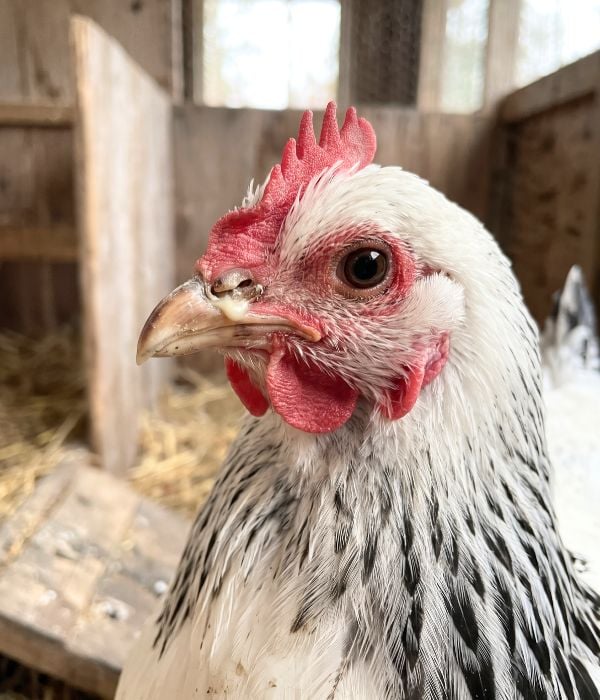
Thick mucus can be a more concerning issue if it is persistent, causing breathing difficulties and/or swollen face. Some respiratory infections cause significant inflammation and discharge from the nostrils.
Infectious coryza can be a cause, but not the only one. Mycoplasma infections, secondary bacterial infections and other respiratory issues can all cause similar symptoms.
You should never assume it is infectious coryza just because the mucus is yellow/green. Your vet may advise you to run some tests such as PCR to determine the cause.
Crusty Dry Runny Nose
Sometimes the discharge will dry up. There may be some crusty build up around one or both nostrils.
If there is a significant buildup of discharge, it may partially block the airflow. Do not try to poke anything sharp up the nostrils or force anything out.
Your vet will be able to determine if it is dry secretion, inflammation, or a blockage.
Blood In The Runny Nose
You should take this seriously. The chicken may have been injured by pecking, but some severe respiratory diseases can cause bloody discharge.
Infectious laryngotracheitis can cause coughing and bloody mucus from the respiratory system in severe cases. If your chicken is producing bloody discharge and struggling to breathe, you should seek emergency veterinary advice.
Why Is My Chicken Suffering From A Runny Nose?
There are many reasons why your chicken may suffer from a runny nose. Some may be due to environmental irritation while others may be caused by pathogens that can be transferred between birds.
1. Dusty Feed & Bedding
Dust can be one of the first things to look at. Chicken feed can cause irritation to the respiratory system, especially if there is too much fine feed.
Dry bedding, soil and nesting material can cause dust to be released when the chickens scratch or flap their wings. You may notice the hen sneezing shortly after refilling the feeders.
Or multiple chickens sneezing due to dusty bedding. Check if there is too much dusty feed and if the bedding is causing visible dust.
If so, you may want to change to a cleaner, less dusty bedding. Avoid sweeping or shaking dusty litter when the chickens are in the coop.
If the runny nose persists, do not assume it is just due to dust.
2. Ammonia & Poor Ventilation
As chicken manure breaks down it can cause ammonia to be released. Especially if the bedding is damp.
This can cause irritation to sensitive areas such as the eyes and respiratory system. If your coop is not well ventilated there may be excess moisture and airborne particles.
Signs to look out for;
- Strong ammonia smell.
- Wet bedding near waterers.
- Damp or very soiled litter.
- Condensation on surfaces.
- Stuffy air.
- Watery eyes or irritation.
During the winter some flock owners will seal up almost all the openings to keep the chickens warm. Unfortunately this can cause moisture and pollutants to become trapped.
The aim should be to provide enough ventilation without causing strong drafts when the chickens are roosting. If you use the deep litter method, good moisture control is important.
We have a full guide on how to manage bedding in the coop using the deep litter method here Deep Litter Method For Chicken Coops.
3. Mycoplasma Gallisepticum (MG)
Mycoplasma gallisepticum is an important cause of respiratory issues in backyard poultry. Chickens suffering from this may show symptoms such as sneezing, coughing, runny nose, watery eyes or foamy discharge around the eyes.
Some chickens may still be quite active. However, others may suffer from more severe respiratory issues, especially if they have another disease or stressful situations.
According to the Texas A&M Veterinary Medical Diagnostic Laboratory, common symptoms seen in backyard chickens with MG are runny nose and coughing. An important issue to be aware of is that the chickens may still be carriers even if their symptoms improve.
This can cause issues when introducing new chickens. MG is commonly diagnosed using PCR tests.
Antimicrobials may help reduce symptoms but will not necessarily eliminate the organism. See our guide on chicken sneezing and coughing Chicken Sneezing & Coughing.
4. Infectious Coryza
Infectious coryza is a bacterial respiratory disease caused by the Avibacterium paragallinarum. This is an important issue to be aware of if your chicken is showing runny nose and swollen face.
Symptoms may include;
- Sneezing.
- Watery/foamy discharge from the nose.
- Swollen under the eyes.
- Conjunctivitis.
- Loss of appetite.
- Reduced egg laying.
- Less active.
Some cases may show mild symptoms while others can have significant facial inflammation. According to the Merck Veterinary Manual, infectious coryza can cause swelling of the sinuses under the eyes and may make it difficult for the chicken to open their eyes.
PCR tests or bacterial cultures may be used to confirm. Even if treatment helps the symptoms, the chicken may still be a carrier.
Good flock management and biosecurity is important.
5. Infectious Bronchitis
Infectious bronchitis is a contagious viral respiratory disease. Chickens may show symptoms such as watery nose, sneezing, coughing and rattling.
Young chicks may be more severely affected. Laying hens may show a sudden drop in egg laying.
Some eggs may have thin, rough or irregular shells. However, this does not necessarily mean it is infectious bronchitis.
Your vet may suggest running tests, especially if multiple chickens are affected. As this is a viral disease, antibiotics will not eliminate the virus.
Supportive care may be required along with managing secondary issues.
6. Other Respiratory Infections
There are many other infectious diseases that can cause respiratory symptoms. Infectious laryngotracheitis can cause coughing, difficulty breathing and sometimes bloody mucus.
Other bacterial and viral infections can cause runny nose and respiratory inflammation. It is important to remember that different pathogens can cause very similar symptoms.
A chicken with a seemingly normal runny nose could be suffering from an easily transferable disease. Do not randomly medicate persistent runny nose.
7. Aspergillosis & Mold
Moldy bedding and feed can cause your chickens to be exposed to fungal spores. Aspergillosis is a fungal respiratory disease caused by inhaling spores from the Aspergillus species.
Young chicks are particularly vulnerable but older chickens may also be affected. Common symptoms include difficulty breathing, weakness, loss of appetite and poor growth.
A runny nose is not one of the most distinctive symptoms of aspergillosis. However, it is important to be aware of the risk of mold.
We have a guide on how to prevent mold Mold In Chicken Coops.
8. Avian Influenza (Bird Flu)
This is an important disease to be aware of. Highly pathogenic strains can cause severe illness, quick outbreaks and unexpected deaths.
Not all chickens with a runny nose will have bird flu, but according to the USDA APHIS, symptoms such as runny nose, sneezing and difficulty breathing may be seen during significant poultry disease outbreaks. Other signs to look out for;
- Sudden unexpected deaths.
- Severe weakness.
- Swollen around the head/eyes.
- Purple comb/wattles.
- Neurological issues.
- Sudden drop in egg laying.
- Multiple chickens getting ill quickly.
If you suspect bird flu, contact your State vet or USDA immediately. In the US you can contact the USDA APHIS on 1-866-536-7593.
Do not move potentially infected poultry and avoid unnecessary handling of sick and dead poultry until you have received instructions. Follow CDC guidelines for protective equipment.
9. Injury Or Foreign Object
Sometimes only one nostril may be running. This may be due to localized irritation, injury or foreign object.
However, infections can cause more noticeable issues with one nostril. Look out for swelling, crusty build up, visible injury and changes in breathing.
Do not poke tweezers, cotton buds or anything else far up the nostril. Your vet will be able to safely examine the chicken to see if there is a blockage.
One Nostril Or Both?
If only one nostril is affected, this may indicate a localized injury, foreign object or sinus issue. If both nostrils are running, this may indicate a more generalised respiratory issue.
However this is not a reliable indicator. Infectious diseases can cause uneven symptoms especially in the early stages.
Instead, note if the chicken is sneezing, breathing comfortably, eating and if there are any swollen eyes. This will be more useful when talking to your vet.
How To Check & Care For A Chicken With A Runny Nose
Firstly, observe the chicken. Look for any emergencies and try to prevent the spread of any potential disease.
Do not try to diagnose a serious respiratory infection.
1. Observe
Observe the chicken for a few minutes. Is it walking normally?
Is it interested in eating? Is it sneezing a lot or shaking its head?
Is it breathing comfortably? If possible take a clear photo of the nostrils and a short video of any abnormal respiratory sounds.
This can help your vet assess the symptoms.
2. Look For Emergencies
Look for labored breathing (open mouth), severe weakness, collapse or abnormal neurological symptoms. If the chicken is clearly struggling to breathe seek emergency veterinary advice.
Do not wait to find out why the chicken has a runny nose. See our guide on chicken gasping for air Chicken Gasping For Air.
3. Isolate If Necessary
If the runny nose is persistent or there is a possibility of infection, safely isolate the chicken. Place in a clean, ventilated area with its own waterer and feeder.
Ensure the chicken is protected from extreme weather and predators. Do not place sick poultry in your kitchen or living room.
If multiple chickens suddenly become very ill or you suspect bird flu, minimize handling and contact animal health officials.
4. Examine The Nostrils & Eyes
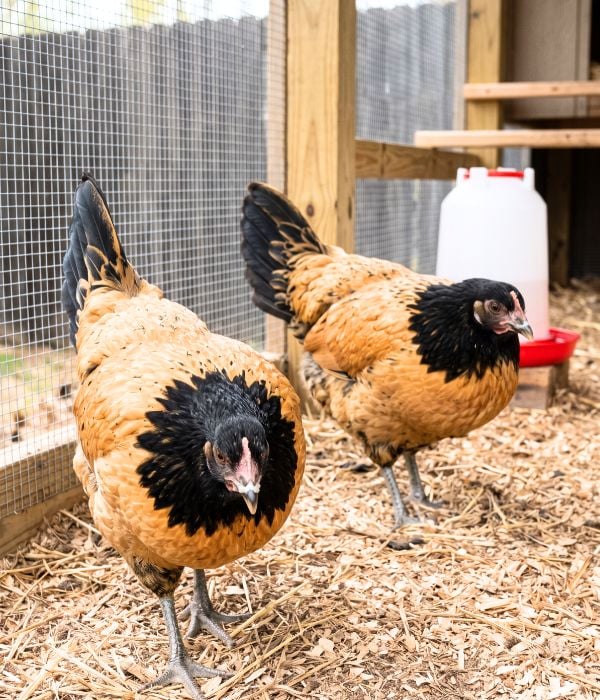
Carefully look for;
- Clear or thick discharge.
- Crusty build up around one or both nostrils.
- Swollen under the eyes.
- Bubbling or mucus around the eyes.
- Visible injury.
- Abnormal breathing sounds.
Do not squeeze the nostrils or press on swollen facial tissue. Do not poke anything into the nostrils.
If there is dry discharge on the outside of the beak, ask your vet if it is safe to gently wipe with sterile saline. Do not try to flush anything far up the nostrils.
5. Provide Fresh Water & Feed
Ensure the chicken has access to fresh water and suitable complete feed. They may lose their appetite due to the respiratory illness.
If the chicken is acting brightly, let them drink voluntarily. Never force water or medication into the beak of a chicken that is struggling to breathe.
Incorrect administration can cause liquids to get into the respiratory system. If the chicken is unable to drink normally, seek veterinary advice quickly.
6. Check The Coop
Check if the bedding is damp or too dusty. Are there any leaking waterers?
Is there mold? Ammonia smell?
Poor ventilation? Fix any obvious issues but do not cause a lot of dust to get into the flock.
If you suspect a serious infectious outbreak, follow the instructions from animal health officials before moving any contaminated items.
7. Check The Rest Of The Flock
Check if the other chickens are showing any symptoms such as sneezing, runny nose, swollen face or changes in behavior. Have there been any unexpected drops in egg laying?
While a single chicken with a runny nose needs attention, multiple chickens showing similar symptoms can indicate a contagious issue.
8. Contact A Poultry Vet
Tell the vet when the symptoms started, what the discharge looks like and if any other chickens are showing symptoms. Tell them if you have recently brought in any new birds, had contact with wild birds, poultry shows or any changes to housing.
Ask if they would like to run any tests.
How Vets Diagnose Runny Nose In Chickens
As there are many diseases that can cause similar symptoms, your vet may run some tests. Possible tests include;
PCR tests. Swabs from the correct areas of the respiratory system can help identify organisms such as MG or bacteria from infectious coryza.
Bacterial culture. This can help identify certain bacterial infections.
Clinical exam. Your vet may examine the eyes, nostrils, sinuses and respiratory system.
Blood tests. Certain blood tests may help determine if the chicken has been exposed to certain poultry infections.
Necropsy. If the birds are dying unexpectedly, your veterinary diagnostic lab may carry out a necropsy to help identify the cause.
Not all chickens will require all tests. Your vet will take into account the symptoms, flock history, risk of disease and how urgent the issue is.
Treatment for runny nose in chickens
Treatment will depend on the underlying cause. There is no one medicine that can be safely used for all respiratory diseases.
If dust or poor air quality is the problem
Reducing dust, fixing leaks, drying out wet bedding and improving ventilation may help. If the issue is irritation then once the environment has been improved symptoms may improve.
However, they may still have an infection.
If diagnosed as a bacterial infection
Your vet may prescribe the correct antibiotic. This will depend on the type of organism, the chicken’s condition and what is allowed in the US.
Certain infections such as MG may still be present. However, if your chicken is laying eggs or producing meat, you may need to consider any restrictions and withdrawal periods for medication.
Don’t give any left over antibiotics from humans or pets without your vet’s advice.
Antibiotics cannot kill viruses. Providing supportive care from your vet, good biosecurity and correct flock management is very important.
Your vet may advise further treatment if secondary bacterial infections occur. Vaccinations may help to prevent certain diseases but won’t cure an ill chicken.
To learn more about preventing disease through vaccination please see our Vaccinating Backyard Chickens Guide.
Garlic, Vinegar, and home remedies
It can be tempting to try giving your chicken something to help with the runny nose. Unfortunately there isn’t any reliable clinical evidence to suggest that garlic water, apple cider vinegar, essential oils or herbal remedies will cure serious respiratory infections.
In some cases they could cause irritation and delay correct treatment. Don’t give your chicken any human cold medicines, strong smelling oils or un-prescribed antibiotics.
Provide fresh water, good nutrition, clean air and correct treatment from your vet based on the diagnosis.
Is my chicken with a runny nose infectious?
If the runny nose is due to a contagious respiratory infection then yes. Infectious coryza, MG, infectious bronchitis can all be passed from chicken to chicken.
Depending on the organism it can be passed through close contact, respiratory secretions, contaminated equipment or new infected birds. Some infections can be carried by seemingly healthy chickens.
However, if the runny nose is due to an irritation from the environment then it isn’t infectious. As you can’t tell the difference by looking at the chicken take sensible biosecurity measures while trying to find out the cause.
How to prevent nasal discharge and respiratory issues
Good flock management can help to reduce many of the common causes of respiratory infections.
Keep bedding clean and dry
Ensure wet litter is removed and leaks fixed. Try to keep the coop dry and free from moisture and manure.
Avoid dusty bedding.
Ensure good ventilation
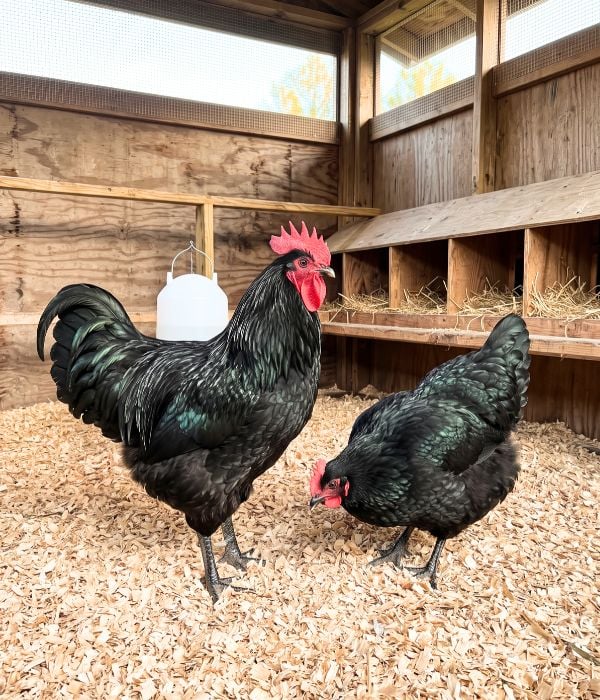
Ensure there is good ventilation to allow moist and dirty air to escape but avoid strong drafts for chickens roosting. Check the ventilation during summer and winter.
If your coop is enclosed it shouldn’t have a strong ammonia smell.
Quarantine new chickens
New chickens can carry infections without showing obvious symptoms. Keep new chickens separate from your existing flock and speak to your vet about the correct quarantine and testing.
This can reduce the risk although doesn’t guarantee all carrier infections will be found.
Reduce contact with wild birds
Where possible make sure your chickens’ food and water is not contaminated by wild birds. Use specific footwear and cleaning equipment for your flock.
Remove any visible organic matter and clean with disinfectant as per the manufacturer’s instructions.
Monitor your flock daily
Watch for any changes in sneezing, breathing, appetite, laying and activity. If your chicken is suffering from a constant runny nose then it may be easier to help them if you can spot the issue early.
For more information on how to reduce the risk of contagious diseases please see our Chicken Biosecurity Guide.
When to see a vet for runny nose
If your chicken is suffering from constant, thick or runny nose along with coughing, sneezing, facial swelling or reduced appetite then see a poultry vet as soon as possible. If your chicken is struggling to breathe, extremely weak or collapsing then seek urgent care.
If multiple chickens are showing sudden respiratory symptoms, neurological issues or unexplained deaths then contact your State Vet or USDA immediately. For more information on when to seek urgent care please see When to see a vet for your chicken.
FAQs
Why does my chicken have a clear runny nose?
A clear runny nose can be due to irritation, dust or early stages of a respiratory infection. It can’t be identified by the color of the discharge. If the runny nose is constant or other symptoms occur then see a poultry vet.
Does a thick yellow discharge mean my chicken has infectious coryza?
Not necessarily. Infectious coryza can cause a runny nose and facial swelling but other respiratory diseases can cause similar symptoms. The color and thickness can’t be used to confirm infectious coryza. Your vet may need to run tests.
Can dusty chicken feed cause a runny nose?
Yes. Fine dust particles can cause irritation to the respiratory system causing sneezing. However don’t automatically blame the feed if symptoms are constant.
Why is my chicken’s nose running from just one side?
A unilateral runny nose can be due to localized irritation, injury, foreign object or sinusitis. Some infections can also cause more obvious symptoms on one side. If the runny nose is constant then see your vet.
Can chickens get colds?
Chickens can get respiratory infections that can cause cold like symptoms. However this doesn’t necessarily mean they have the same illness as humans do. There are several viruses and bacteria that can cause sneezing and runny nose in poultry.
Should I isolate my chicken?
If the runny nose is constant and there is no obvious cause then it could be an infection. It’s often a good idea to isolate your chicken. Use separate equipment and monitor the rest of your flock. If you suspect a serious contagious illness then follow the advice of animal health officials.
Can I give my chicken antibiotics?
Don’t give any antibiotics without your vet’s advice. Many respiratory diseases are viral or non-bacterial. There may also be restrictions and withdrawal periods for medication.
When is a runny nose an emergency?
If your chicken is having trouble breathing, collapsing, being very weak or multiple chickens are becoming ill quickly then it’s very concerning. If they’re having blood coming from their respiratory system or unexplained deaths then seek urgent veterinary advice.
Final thoughts
A small amount of moisture around your chicken’s nostrils may not seem like an issue, especially if they’re eating, drinking and moving around normally. However if the runny nose is constant then you should take note.
A clear and watery discharge can be due to irritation or infection. Thick discharge, crusts, facial swelling and abnormal breathing sounds can be a sign of something more complicated.
Don’t assume the color of the discharge means a certain disease. Take note of your chicken, check their environment, protect the rest of your flock and seek veterinary advice if symptoms are constant or getting worse.
The best thing to do is spot any changes early and find out the cause to prevent respiratory issues spreading through your flock.
