

Naked Neck chickens are one of those birds people tend to notice immediately. The bare neck makes them look unusual enough that first-time viewers often ask whether they are part turkey. They are not. They are chickens, and the bare neck comes from a well-studied genetic trait.
I keep Naked Necks because I like useful chickens, not just unusual-looking ones. They forage well, handle hot weather better than many heavily feathered birds, and they have enough body size to be genuinely dual purpose. I have also crossed them with Aseel and Kadaknath chickens in my own flock, which makes the genetics especially interesting to watch from one generation to the next.
If you want the full care side of the breed, including feeding, housing, eggs, and day-to-day management, see my Naked Neck Chicken breed guide. This page is different. These are the facts I think are most useful to know about the Turken.
21 Facts About Naked Neck Chickens
1. A Turken Is Still a Chicken
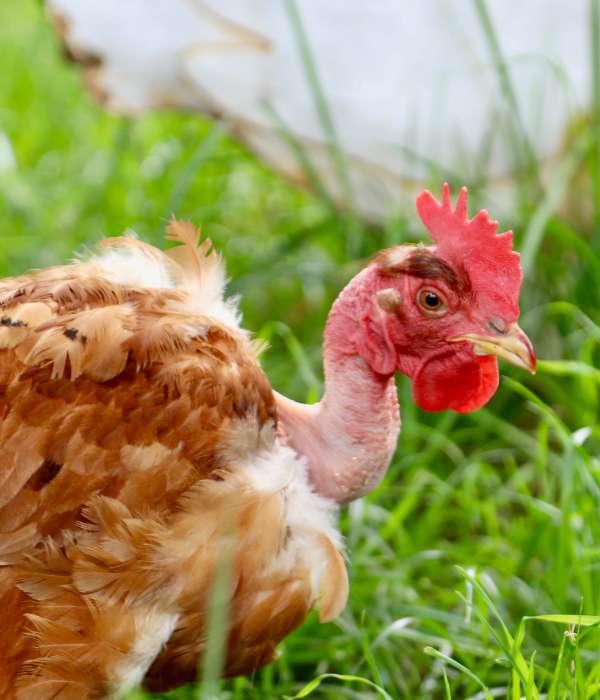
The nickname “Turken” probably causes more confusion than anything else about this breed. A Naked Neck is not produced by crossing a turkey with a chicken. It is a domestic chicken, Gallus gallus domesticus, with a genetic trait that reduces feathering around the neck and elsewhere on the body.
The turkey-like look is only skin deep.
2. Transylvania Is Part of the Breed’s Story
You will often see the name Transylvanian Naked Neck. The breed became closely associated with Transylvania, now part of Romania, and was developed and standardized in parts of Central and Eastern Europe.
That does not necessarily mean every naked-necked chicken in the world traces back to one small place. Similar bare-necked birds have existed in other regions too. It helps to separate the standardized Naked Neck breed from the naked-neck genetic trait itself.
3. Naked Necks Are Recognized by the APA
The American Poultry Association currently recognizes the Naked Neck as a standard breed.
The current large-fowl varieties are Black, Buff, Red, and White. The bantam list includes Buff, Red, and White.
This is worth mentioning because you can also find mixed-breed chickens carrying the naked-neck gene. A bare neck alone does not make a bird an APA-standard Naked Neck.
4. They Are Bigger Than They Look
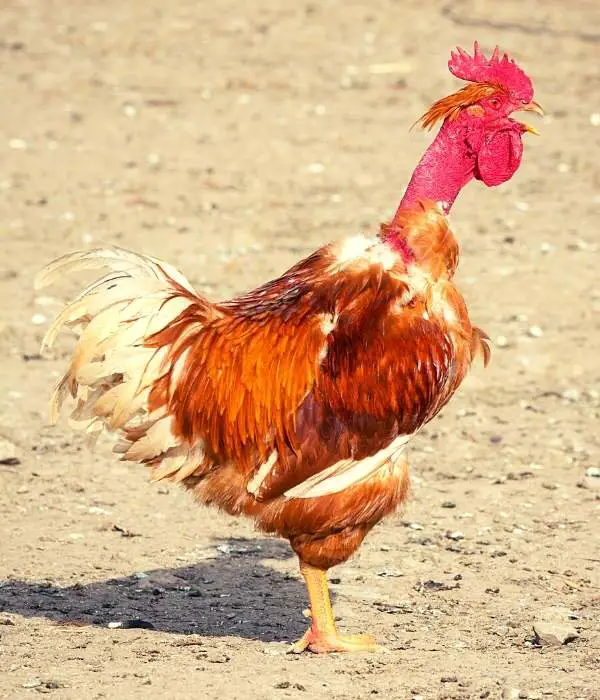
The bare neck sometimes makes the bird look leaner than it really is. Standard adult males are about 8.5 pounds, while hens are about 6.5 pounds. Cockerels are around 7.5 pounds and pullets around 5.5 pounds.
That is a useful size for a backyard dual-purpose flock. They are not giant chickens, but they have far more table value than light-bodied egg breeds.
5. The Bare Neck Comes From the Na Gene
The gene is usually written as Na. It is autosomal and incompletely dominant, so both hens and roosters can inherit it.
A bird only needs one copy to show the trait. Two copies usually produce a stronger reduction in feathering.
6. The Little Feather “Bow Tie” Tells You Something
Some Naked Necks have a small patch of feathers on the front of the lower neck. Backyard keepers often call it a bow tie.
Birds with one copy of Na often retain more of this neck feathering. Birds with two copies generally have a barer neck and less feathering overall. It is not a perfect field test because other genes influence appearance, but it is a useful clue.
7. Scientists Know Where the Trait Comes From
The Naked Neck trait has been studied down to the molecular level. Researchers linked it to a large DNA insertion that changes regulation near BMP12, also known as GDF7, a gene involved in feather development.
The neck happens to be especially sensitive to that altered signaling. So the bird does not become completely featherless. The most obvious effect shows up exactly where the breed gets its name.
8. “Half the Feathers” Is Too Simple
You will often read that Naked Necks have 40 or 50 percent fewer feathers. I would not use one number for every bird.
Research has found different reductions depending on whether the bird carries one or two copies of Na and on the genetic line being studied. In one broiler experiment, feather mass was about 20 percent lower in heterozygous birds and about 30 percent lower in homozygous birds than in normally feathered controls.
The reliable part is simple: Naked Necks carry noticeably less feather mass. The exact percentage is not fixed.
9. Their Heat Tolerance Is Real

This is not just a hatchery sales point. Reduced feathering helps body heat escape, and the Na gene has repeatedly been studied in chickens raised under hot conditions.
That is also something that makes sense when you keep chickens in a warm climate. A dense coat of feathers is useful insulation in winter, but it is not always an advantage when the air is already hot and humid.
Naked Necks are one of the breeds I would seriously consider for a hot backyard, along with other chickens selected for warm-weather performance.
10. They Can Still Overheat
Better heat tolerance does not turn a Turken into a heat-proof chicken.
In very high temperatures, Naked Necks still pant, reduce feed intake, slow down, and can suffer heat stress. One controlled study at 35°C found the advantage over fully feathered chickens was limited under that level of continuous heat.
Shade, clean cool water, air movement, and enough space are still basic summer requirements. If a chicken is weak, staggering, breathing hard, or unable to stand normally, treat it as a heat emergency regardless of breed.
For more on this, see my summer chicken-care guide.
11. Winter Is the Trade-Off
Less feathering helps in summer, but it also means less insulation when temperatures drop.
Naked Necks can certainly be kept in cold areas. I just would not put them in the same category as breeds that were developed specifically for severe winters. Oklahoma State’s breed information recommends protecting them from extreme cold.
A dry coop with good ventilation above the roost, no direct drafts across sleeping birds, and unfrozen drinking water is far more useful than sealing the coop tight. Their single comb and exposed neck also deserve a quick look during very cold weather for signs of frostbite.
12. A Red Neck Does Not Automatically Mean Sunburn
Mature Naked Necks, especially roosters, can develop noticeably red exposed skin after spending time outdoors.
That redness by itself is not proof of sunburn. Normal pigmentation, circulation, maturity, and sunlight all change skin color. Shade should still be available every day, particularly in strong summer sun.
I would worry more if the skin looked swollen, blistered, cracked, raw, or obviously painful.
13. They Lay Tinted to Light-Brown Eggs
Naked Neck hens are useful layers, though they are not specialized commercial egg machines.
For a productive standard-type hen, around 150 to 200 eggs in a year is a reasonable backyard expectation. Some lines will do better and some worse. Egg shell color is generally tinted to light brown.
Season matters too. A good heat-tolerant bird may hold production better during hot weather, but age, molt, daylight, feed quality, stress, and health still influence how many eggs reach the nest box.
14. Some Hens Go Broody, Some Never Do
This is one trait where backyard reports vary a lot.
I have had Naked Neck hens raise chicks well. That does not mean every hen from every line will be strongly broody. Oklahoma State simply notes that hens have been known to brood, which is a much safer way to describe the breed.
If one of your hens sits, let her clutch size depend on what she can actually cover. I would not use a fixed six-egg or eight-egg rule. A large hen with smaller eggs may cover more than a smaller hen sitting in a cold nest.
15. They Really Are Dual-Purpose Birds

A standard rooster at roughly 8.5 pounds gives you far more carcass than a light egg breed, while the hens still provide a respectable supply of eggs.
That is what I mean by dual purpose. They are useful at both jobs without being the very best specialist at either one.
Do not expect Cornish Cross growth rates from an ordinary backyard Naked Neck. Traditional birds take longer to finish, and meat yield depends heavily on the line you buy or breed.
16. Fewer Feathers Are Noticeable at Processing Time
This is a very practical difference if you process chickens yourself. There is simply less feather material to remove.
You still have normal plucking work and occasional pin feathers, but a sparsely feathered carcass is usually less tedious to clean than a densely feathered bird of similar size.
17. Do They Really Eat Less Feed?
Sometimes Naked Neck genetics improve feed efficiency in research trials, especially under hot conditions. That has led to a common claim that they automatically eat less because they do not need to grow as many feathers.
I would not turn that into a backyard promise.
A big active rooster still eats like a big active rooster. A hard-laying hen needs enough nutrients to support her eggs. Temperature, body size, production level, free-ranging activity, and the rest of the bird’s genetics all affect feed use.
Reduced feathering can be part of the efficiency picture. It is not the whole picture.
18. Their Temperament Is Usually Easy to Live With
Most Naked Necks I have dealt with have been manageable birds. Many keepers also describe them as calm, curious, and easy to handle.
That does not mean every Turken wants to sit in your lap, and I would never promise that a rooster will be gentle because of his breed. Rooster temperament varies too much for that.
If you want a pet-style chicken, pay attention to the actual bird in front of you. Calm handling from a young age helps, but genetics and individual personality still matter. See my pet chicken guide for more on that.
19. They Like to Forage, but Predators Still Win
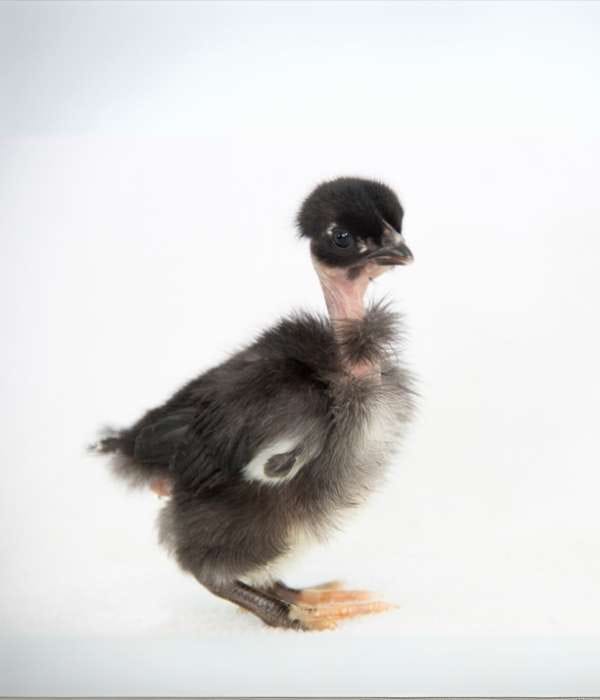
Naked Necks are active enough that they do well with space to scratch and forage. Mine have certainly not behaved like chickens that want to spend the whole day sitting beside the feeder.
But I would not call them unusually clever escape artists or naturally safer from predators. A hawk, dog, raccoon, fox, or coyote does not care how alert the chicken breed is.
Good fencing and a secure night coop still matter. My chicken predator guide covers the main risks.
20. The Na Gene Works in Crossbred Chickens Too
This is the part I find especially interesting as a breeder.
I have crossed Naked Necks with Aseel chickens and Kadaknath chickens. Some of the offspring kept the bare-neck trait while picking up body shape, color, and other features from the second parent.
That is why a naked neck does not automatically tell you the rest of a chicken’s background. The Na gene can move through many different breeding projects.
The Showgirl type is another familiar example. Naked Neck genetics were crossed into Silkie lines and then selected over generations. Those birds share the bare-neck trait, but they are not the same as a standard large-fowl Naked Neck.
21. Hardy Is Not the Same as Disease-Resistant
Naked Necks have a reputation for being tough birds, especially in warm climates. That is fair. Saying they are naturally resistant to most poultry diseases is not.
They can get mites, lice, worms, respiratory disease, reproductive problems, injuries, and the same infections that affect other chickens.
I keep the care simple: good feed, clean water, dry housing, airflow, enough room, and regular observation. A bird that suddenly stops eating, loses weight, becomes unusually quiet, or develops abnormal droppings needs attention whether it has a feathered neck or a bare one.
Are Naked Neck Chickens Worth Keeping?

For the right flock, yes.
I particularly like them for warm climates and breeding projects. They also make sense for a small dual-purpose setup where you want useful hens and a little more body on the cockerels.
I would think twice only if I lived somewhere with very severe winters and wanted a breed that could handle extreme cold with the least possible management. Reduced feathering is a genuine advantage in heat, but every useful trait comes with a trade-off somewhere.
Frequently Asked Questions
Are Naked Neck chickens the same as Turkens?
Yes. Turken is a common nickname for the Naked Neck chicken. The name comes from its turkey-like appearance, not from turkey ancestry.
Does the APA recognize Naked Neck chickens?
Yes. The current APA list includes Black, Buff, Red, and White large fowl. Buff, Red, and White bantams are also listed.
How big do Naked Neck chickens get?
Standard adult males are about 8.5 pounds and hens about 6.5 pounds. Cockerels are around 7.5 pounds and pullets around 5.5 pounds.
Are Naked Necks good chickens for hot climates?
Yes. Their reduced feathering helps them lose body heat more easily. They still need shade, cool water, and airflow during hot weather.
Can Naked Neck chickens handle winter?
They can be kept in cold areas, but their reduced feathering means less insulation. Give them a dry, draft-protected, well-ventilated coop and watch exposed skin and combs during extreme cold.
What color eggs do Naked Neck hens lay?
Most standard Naked Neck hens lay tinted to light-brown eggs. Egg size and annual production vary between bloodlines.
Can I cross a Naked Neck with another chicken breed?
Yes. The Na gene can be passed into crossbred chickens. The chicks’ appearance depends on whether the Naked Neck parent carries one or two copies of Na and on the genetics of the other parent.
Conclusion
The bare neck is what gets people interested, but it is not the reason I find these chickens useful.
Naked Necks have a practical combination of heat tolerance, moderate egg production, useful body size, active foraging, and genetics that are easy to see when you start breeding them. At the same time, they are not miracle chickens. They still need good feed, secure housing, summer shade, winter protection, and ordinary health care.
Once you get used to the bare neck, they are simply useful backyard chickens with one very visible genetic difference.
Sources
- American Poultry Association: Accepted Breeds and Varieties
- Oklahoma State University: Naked Neck (Turken)
- PLOS Biology / PMC: Genetic and Developmental Basis of Naked Neck Feathering
- Review: Naked Neck Genetics and Heat Stress in Poultry
- Poultry Science: Naked Neck Chickens Under Hot Conditions
- Poultry Science: Feather Mass, Growth, and Meat Yield With the Naked Neck Gene
