

Try growing a fresh patch of grass in your chicken run. It looks lovely for a little while, doesn’t it? Then the hens get to work. They scratch, peck and pull at the shoots, and before long you’re looking at bare dirt again. So how do you give them something green without losing the roots every time?
That’s where a chicken grazing box comes in. Nothing complicated. It’s a low wooden frame with strong wire over the top. Grass grows through the mesh and the birds eat the leaves they can reach. They can’t dig through the soil quite so easily, which gives the plants a chance to grow again.
You can build one with leftover boards and a bit of welded wire. We’ll use a simple 3×5-foot box here, but don’t worry if your run needs something smaller. I’ll show you the building steps, seeds you can try and what to check when the top starts sagging. And no, this little patch isn’t going to replace your regular chicken feed. It’s just some fresh greenery and something else for the flock to do.
What is a chicken grazing box?
Think of a small garden bed, only with a wire lid that the grass grows through. Your hens peck what’s above the wire while the roots stay down in the soil. Some keepers call it a grass box or a forage frame. Same idea.
It makes sense if you keep chickens in a fixed run and they scratch the ground bare. It won’t stop predators or make a small run bigger, though. You’ll still need a secure fence and gate. See our chicken fencing ideas if you’re working on that part of your setup.
What can it do for your chickens?
The main benefit is giving the plants a better chance. Instead of the birds scratching every new shoot out of the ground, they mostly trim the tops. It also gives them something to investigate during the day. A plain dirt run can get boring, especially for hens that can’t free range.
Don’t expect it to stay green through every heat wave or freeze. You’ll have to water it, let it recover and plant again now and then. It isn’t a feed-saving trick either. Your birds still need their normal complete ration and clean water. If you’re sorting out their regular feeding area, our chicken feeder guide may help.
What size should you make the box?
Around 3×5 feet is a good place to start for a small backyard run. It’s big enough to grow a useful patch, but not so wide that you have to climb inside whenever you want to weed it. Got a narrow run? Make two small frames instead of one that blocks the whole path.
It doesn’t need to measure exactly three feet by five feet. The boards have thickness, and that changes the outside size a little. What matters is a steady frame, room for grass to grow and enough space around it for the hens to walk.
What materials do you need?
Have a look around the shed before buying anything. You may have enough good wood left from a coop repair. Just check it first. Rotten boards and old timber from unknown chemical containers aren’t worth using, even if they’re free.
- Two boards around five feet long and two around three feet long, cut for your corner joints.
- A solid wooden brace across the middle. Add another if needed.
- Exterior screws that fit the boards you’re using.
- Sturdy welded wire or hardware cloth with enough extra to fasten the edges.
- Washers and screws, or wooden strips to hold down the cut wire ends.
- Clean soil or suitable finished compost if your run soil needs improving.
- Untreated grass or forage seed, plus water to get it started.
You’ll also want a tape measure, saw, drill, square, wire cutters, gloves and eye protection. Measure the finished frame before you order a roll of wire. That way you won’t end up buying the wrong width and making a second trip.
What wire should you use on the top?
This is the part I wouldn’t rush. Your hens won’t just peck through the wire. They’ll stand on it too, sometimes all at once. Flimsy chicken wire can bend and leave nasty little points near their feet. Use sturdy welded mesh and put a brace underneath so it stays firm.
Half-inch hardware cloth can work for a supported little box. Fasten it properly, cover the sharp cut ends and press down on the middle to check for sagging. Remember, this screen is only protecting the plants. It doesn’t replace the predator-resistant wire for your coop or run.
How to build a chicken grazing box, step by step
Ready to make it? The job is mostly a simple frame, a supported wire top and a little planting. The hardest part might be keeping the chickens off the new shoots long enough for them to get started.
Make a 3×5-foot chicken grass box from sound wood, a supported wire top and untreated seed. Let the plants develop roots before the hens start trimming the shoots.
1. Pick a spot before cutting the boards
Have a look at your run first. Where does the sun fall? Does rainwater sit in one corner? It’s worth checking now, not after you’ve built the thing.
Pick somewhere reasonably level, with enough light for the grass you want to grow. Keep away from the roof downspout and leave yourself room to get around it with a watering can.
If that corner turns muddy after every rain, fix the drainage before making it your planting bed. A wooden frame won’t make waterlogged soil any better.
2. Make a simple wooden frame
You’ll need two boards around five feet long and two around three feet long for this example. Set them out on level ground and screw the corners together with exterior screws.
The finished size may be a little different because of the board thickness. That’s fine. Just make sure it fits your run. Don’t use rotten wood or scraps from a container that held something you can’t identify.
Check for old nails, splinters and screw points sticking through the inside. The hens will be walking around the frame, so it’s worth doing this properly.
3. Put a brace across the middle
One hen on the wire might not look like a problem. Then three more decide to join her. That’s when a long piece of unsupported mesh starts to sag.
Cut a wooden crosspiece so it fits between the long sides and screw it in place. If the wire still bends when you press on the middle, add another support.
You’re making a small grass box, not a trampoline. Make sure you haven’t blocked the drainage underneath while you’re adding the braces.
4. Loosen the soil and plant untreated seed
Take out stones, bits of plastic, old roots and any weeds you can’t identify. Loosen the soil inside the frame. If it’s poor, add a little clean planting soil or suitable finished compost.
Leave enough space below the mesh for the new leaves to come up. Sow your untreated grass or forage seed as the packet directs and water gently.
Don’t use pesticide-treated farm seed or lawn mixes with weed killer. Your birds will eventually be eating the growth, and that makes the seed choice important.
5. Fit the mesh and cover every sharp edge
Lay the welded mesh over your frame and center brace. Cut it to size, leaving room to fix all four sides. Use suitable screws and washers, or trap the edges under firmly screwed wooden strips.
A few loose fixings in the corners aren’t going to hold it properly. Turn the sharp cut ends down or cover them. Run a gloved hand around the rim and press the middle.
Does it sink towards the soil? Put in another brace now. Regular flimsy chicken wire isn’t a good place for several hens to stand.
6. Let the little plants get started
This is the part that takes a bit of patience. You’ll see a few shoots and want to let the hens straight onto them. Give the grass longer.
Keep the soil moist when it needs water, but don’t leave it soaking wet. Wait until the roots hold the plants in place and the leaves are growing through the mesh.
There’s no one number of days. Oats, clover, warm weather and cool weather all behave differently. If whole seedlings pull out when pecked, the box needs more time.
7. Let the flock graze, then give the box a break
When the leaves are coming through the wire and the roots are holding, let the chickens have a go. They’ll trim what’s above the screen and leave most of the root system below it.
Look at the frame while you’re doing normal run cleaning. Is manure collecting on the wire? Has a corner come loose? Is the grass looking almost bald? Clean the top, fix the wire and rest or reseed the thin spots.
If you have room for two boxes, rotate them. One can grow while the other gets all the attention.
Want to see what the frame looks like before you cut anything? Here’s one of the videos from the original guide.
Which seeds can you grow in it?
There’s no perfect grass for every backyard. A cool-weather seed may struggle in hot summer sun, and a warm-season grass may take its time in spring. Try a small amount of untreated seed that suits your area first. If it doesn’t grow well, you haven’t wasted a whole bag.
- Oats: good for tender, quick-growing shoots when the weather suits them.
- Wheat: another cereal grass to try for young green growth.
- Orchardgrass: an option in areas where this pasture grass grows well.
- Suitable clover: can add variety when it’s right for your region.
- Locally recommended forage seed: ask your feed store or Extension office what grows reliably nearby.
Don’t use treated seed
That bag of brightly colored farm seed may look cheap, but don’t put it where the flock will eat the shoots. Pesticide-treated seed isn’t for animal feed. Avoid lawn mixes with weed killer and any pasture blend you can’t identify. Some tall fescue and perennial ryegrass varieties can also carry endophytes, so check what you’re buying instead of grabbing an unknown mixture.
If you’re unsure, buy a clearly labeled untreated seed from a reputable supplier and ask what’s suitable for grazing in your area. The plants are going to end up in your birds’ beaks, after all.
How high should the wire sit above the soil?
Leave the soil a little below the wire. You want the shoots to have room to come up without the hens reaching straight into the planting bed. Put the soil right against the screen and young seedlings are easier to disturb. Leave too much space, and short grass may never reach the top.
You can adjust the soil level after the first planting. Just keep the mesh firm and don’t leave loose gaps around the sides where the chickens can scratch underneath.
Where should you put the grazing box in the run?
Somewhere with enough light for the plants and decent drainage. That’s more important than putting it in the prettiest corner. Don’t place it right under a leaking roof edge or against the only gate. You’ll want easy access for watering and cleaning.
If the whole run turns into mud in rainy weather, fix the drainage rather than expecting the grass box to soak it up. Our rainy-weather chicken guide covers more of those problems.
What if the mesh starts sagging?
Picture four hens jumping on top because one of them found a fresh shoot. Now you know why that center brace matters. If the wire dips, it can press on the plants or leave an awkward spot for a foot to get caught.
Press on the top before the flock uses it. Add another wooden support if you need one. Check the screws and wire edges whenever you clean the run. If something’s broken or sharp, keep the birds off it until it’s repaired.
How do you keep the grass growing?
Your first planting may look lovely for a few weeks. Then the hens learn exactly where the fresh green stuff is, and every morning they’re back for more. The grass can end up shorter than it can recover from. That doesn’t mean you built the box wrong.
Give it water when the soil needs it, clean manure off the top and let it rest when it gets thin. Sow some new seed in the bare spots. If you can fit two small boxes, rotate them. One grows while the other gets pecked. You can also try a different untreated seed when the season changes.
If you want more greenery around the run, you can also check our guide to plants and trees around chicken runs. Just keep the actual planting box somewhere you can get to without trouble.
Ready-made grazing box and DIY supplies to compare
You don’t need a cart full of equipment to make one. I’ve kept five options here: a ready-made box and a few useful DIY supplies. The two mesh rolls are alternatives. Choose the width that suits your frame rather than buying both.
| Supply | Use | Amazon |
|---|---|---|
| BIRASIL outdoor grass planting box | Ready-made planting box | Check |
| YARDGARD half-inch hardware cloth, 36 x 25 feet | Mesh for wider frame | Check |
| YARDGARD half-inch hardware cloth, 24 x 25 feet | Mesh for narrower frame | Check |
| Wensilon three-inch exterior screws | Wood screws | Check |
| Hillman fender washers | Mesh-edge washers | Check |
1. BIRASIL outdoor grass planting box

As an Amazon Associate I earn from qualifying purchases. This article contains affiliate links. If you buy through these links, I may earn a commission at no extra cost to you.
Don’t fancy cutting wood? A ready-made BIRASIL frame is one option. Check the dimensions and the wire before putting it in the run. You’ll still need soil and untreated seed, and a ready-made box can have sharp edges too.
Pros
- Frame and wire come together.
- Less cutting for you.
Cons
- Can cost more than a scrap-wood build.
- You’ll still have to plant and maintain it.
2. YARDGARD half-inch hardware cloth, 36 x 25 feet

As an Amazon Associate I earn from qualifying purchases. This article contains affiliate links. If you buy through these links, I may earn a commission at no extra cost to you.
Making a frame about three feet wide? This roll may fit the top without joining small strips. Measure your real frame before ordering, and leave room to fasten the edges. Remember to brace the middle.
Pros
- Welded half-inch openings.
- Useful width for a wider box.
Cons
- More wire than one small box may need.
- Sharp cut ends need covering.
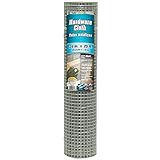
3. YARDGARD half-inch hardware cloth, 24 x 25 feet
As an Amazon Associate I earn from qualifying purchases. This article contains affiliate links. If you buy through these links, I may earn a commission at no extra cost to you.
A narrower box might use less wire with this roll. It’s an alternative to the wider one, not a second roll everyone needs. If you join pieces, support the seam below and fasten both sides flat.
Pros
- Handy for narrow frames.
- Can reduce offcuts.
Cons
- May need a supported join on wider boxes.
- Still needs solid edge fixing.
4. Wensilon three-inch exterior screws

As an Amazon Associate I earn from qualifying purchases. This article contains affiliate links. If you buy through these links, I may earn a commission at no extra cost to you.
The frame needs to stay square when the weather gets wet. Exterior screws help, but check your board thickness. Three inches could go straight through a thin piece, and that’s not what you want beside chicken feet.
Pros
- Exterior coating.
- Useful for wood joints.
Cons
- Too long for some boards.
- Choose fasteners for the actual joint.
5. Hillman fender washers

As an Amazon Associate I earn from qualifying purchases. This article contains affiliate links. If you buy through these links, I may earn a commission at no extra cost to you.
A washer spreads the screw’s hold over the wire edge. Match it with the right screw, or use a wooden strip to hold the mesh instead. Either way, don’t leave wire points sticking up.
Pros
- Wider grip on a mesh edge.
- Useful for repairs later.
Cons
- Must match your screw size.
- Check corrosion resistance for wet sites.
Chicken grazing box FAQs
What is a chicken grazing box?
It’s a low planting frame with a strong wire top. Grass comes up through the wire so the hens can eat the leaves without scratching most of the roots out.
How big should I make one?
About 3×5 feet is a handy starting point. If your run is small, make a narrower one or build two little boxes and rotate them.
Which seed is best for the box?
Try untreated oats, wheat or another suitable grass or forage seed recommended for your area. Choose clearly labeled seed, not a pesticide-treated or unknown pasture mix.
Can it replace chicken feed?
No. Think of it as extra greens and something interesting for the flock to peck. Your chickens still need a complete feed and clean water.
Can I use normal chicken wire on top?
I’d avoid light hexagonal wire for a surface they’ll stand on. Sturdy welded mesh, solid support underneath and covered edges make more sense.
How long should I let it grow first?
Wait until the shoots are through the mesh and the roots can stand up to regular pecking. How long that takes depends on the seed and weather.
Why is the grass dying?
It could be too much grazing, too much shade, poor drainage or dry soil. Check for manure buildup too. Give it a rest and sow new seed where needed.
A little grass can make a difference.
Your grazing box won’t turn the whole run into a green field. It won’t replace feed either. But it can give the hens a fresh patch to peck without letting them dig up the roots every time.
Use sound wood, support the wire, sow untreated seed and let the plants settle in before the birds use it. When the grass gets thin, give it a break. That’s really the idea. No complicated equipment needed.
