

A winter waterer should solve one problem, not create three new ones. You need water when the temperature drops, but you also want a system that is easy to refill, easy to clean, safe around electricity, and realistic for the size of your flock.
Therefore, this list includes more than simply full heated drinkers. Some goalkeepers do better with a heated base under a metal fount, while others just need a deicer in a bucket they already have.
The products below are listed in order of strength of overall rating, history of feedback, usefulness for backyard poultry, and how well each product integrates into a real winter setup. You do not want the hottest heater. It is to find the system that keeps water with the least fuss.
For the rest of your cold-weather setup, see the winter chicken care guide.
Quick Comparison: Best Heated Chicken Waterers & Heater Bases
| Product | Type | Best For | Amazon |
|---|---|---|---|
| Farm Innovators HP-125 | 125W heated base | Existing metal founts | Check |
| Premier 1 All-Season | Complete heated waterer | All-in-one winter setup | Check |
| Farm Innovators HB-60P | 2-gallon heated drinker | Small-to-medium flocks | Check |
| Farm Innovators C-50P | Bucket deicer | DIY nipple waterers | Check |
| K&H Thermo-Poultry | Complete heated waterer | Easy refill and handling | Check |
| RentACoop 2-Liter | Compact heated waterer | Small flocks and quail | Check |
| JESTOP 35W Heated Base | Low-watt heated base | Moderate freezes | Check |
| Dreyoo 125W Heated Base | Heated base | Alternative metal-fount setup | Check |
Important: a heated reservoir does not guarantee that a nipple, cup, tray, cord, or plug is working. Check the drinking point itself every day during freezing weather.
8 Best Heated Chicken Waterers & Heater Bases for Winter
1. Farm Innovators HP-125 Heated Poultry Waterer Base — Best Overall Heated Base

As an Amazon Associate I earn from qualifying purchases. This article contains affiliate links. If you buy through these links, I may earn a commission at no extra cost to you.
If you already own a galvanized double-wall poultry fount, this is the simplest winter upgrade in the list. You keep the waterer your flock already uses and add heat underneath it instead of changing to a completely new system.
The 125-watt base is built for compatible metal poultry founts and works best on a dry, level surface. There are no nipples to train the birds to use, and there is no separate reservoir hanging above the floor.
The main limitation is also very clear: this is not a universal heater. It is meant for suitable metal founts, so it is a poor choice if your normal waterer is plastic.
- Key features: 125W heated base, thermostatic-style winter heating, designed for compatible metal poultry founts.
- Pros: Lets you keep using your existing metal waterer; simple setup; strong feedback history; no drinking mechanism to retrain.
- Cons: Not for random plastic waterers; still needs a safe electrical outlet and dry placement.
- Best for: Keepers who already use a galvanized poultry fount and want the easiest winter conversion.
Bottom line: This is the strongest choice if your current metal fount already works well and you only need to stop winter freezing.
Check Farm Innovators HP-125 on Amazon
2. Premier 1 All-Season Heated Poultry Waterer — Best Complete Winter Watering System

As an Amazon Associate I earn from qualifying purchases. This article contains affiliate links. If you buy through these links, I may earn a commission at no extra cost to you.
Premier 1 is the better fit if you do not want a separate heater and waterer. The heating system is built into the unit, so you are dealing with one complete winter setup rather than stacking one product on another.
The enclosed drinking points also help keep bedding out of the water compared with an open tray. That can make a noticeable difference in winter when wet litter stays wet much longer.
The weak point is the same one that affects many nipple systems: the reservoir can stay liquid while an exposed drinking point freezes. During very cold weather, you still need to press the nipple and confirm that water flows.
- Key features: 3-gallon all-season design, integrated heating, enclosed drinking points.
- Pros: One-piece winter solution; cleaner drinking area; no separate heated base required.
- Cons: Nipples can freeze before the tank; birds must know how to use the drinking points.
- Best for: Medium backyard flocks where you want a complete plug-in winter system.
Bottom line: Choose this when convenience matters more than reusing an existing waterer.
Check Premier 1 All-Season Waterer on Amazon
3. Farm Innovators HB-60P Heated 2-Gallon Poultry Drinker — Best Proven Bucket-Style Heated Waterer

As an Amazon Associate I earn from qualifying purchases. This article contains affiliate links. If you buy through these links, I may earn a commission at no extra cost to you.
The HB-60P has one of the longest feedback histories in this group, and the design is easy to understand. It is a complete two-gallon heated drinker, so you do not need a separate base or deicer.
Two gallons is a practical size for a normal backyard flock. It is large enough that you are not constantly topping it off, but still manageable when you need to carry it to a sink for a proper cleaning.
The smaller capacity can become a drawback if you keep a lot of birds. You may end up refilling more often than you would with a larger reservoir.
- Key features: 2-gallon heated drinker, hanging-style design, built-in winter heating.
- Pros: Simple all-in-one setup; easy to carry; long feedback history; practical size for backyard flocks.
- Cons: Too small for larger flocks; still needs frequent checks during severe cold.
- Best for: Small-to-medium flocks where you want a familiar complete heated drinker.
Bottom line: This is the easy middle-ground choice if you want a complete heated waterer without moving to a large or complicated system.
Check Farm Innovators HB-60P on Amazon
4. Farm Innovators C-50P Chicken Waterer Deicer — Best for Existing Nipple Buckets

This product is for a different type of keeper. If your chickens already drink from a bucket with nipples, you may not want to change the whole setup just because winter arrived.
The C-50P warms the water from inside a compatible container. That lets you keep the same bucket and drinking system your birds already know.
Its biggest limitation is easy to miss: the deicer can keep the water in the bucket liquid while a nipple outside the bucket still freezes. You have to test the actual drinking point, not just look inside the reservoir.
- Key features: Internal deicer-style heater for compatible poultry water containers.
- Pros: Lets you reuse your existing bucket; no need to retrain birds; good fit for DIY systems.
- Cons: Exposed nipples can still freeze; compatibility must be checked carefully.
- Best for: Keepers who already use a bucket or nipple waterer and want to winterize it rather than replace it.
Bottom line: This is the most logical choice if your current nipple bucket already works well for the flock.
Check Farm Innovators C-50P on Amazon
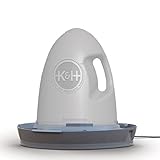
5. K&H Thermo-Poultry Heated Waterer — Best Easy-Refill Design
As an Amazon Associate I earn from qualifying purchases. This article contains affiliate links. If you buy through these links, I may earn a commission at no extra cost to you.
K&H keeps the heater and waterer together, which makes the morning routine simpler. You are not carrying a metal fount in one hand and a separate heater base in the other.
The self-contained design is especially useful if your coop is close to the house and you refill at a sink. One unit is easier to move, rinse, and put back in place.
The reason it sits below the products above is the more mixed user feedback. That does not make it a bad design, but it does mean you should watch its heating performance closely during the first hard freeze.
- Key features: Self-contained heated poultry waterer, easy-refill design.
- Pros: Fewer separate parts; easier to handle; convenient for routine winter use.
- Cons: Mixed feedback compared with the top picks; not a “plug it in and forget it” product.
- Best for: Keepers who value easy handling and want one complete unit.
Bottom line: Convenience is the reason to buy it, not maximum heating power.
Check K&H Thermo-Poultry on Amazon
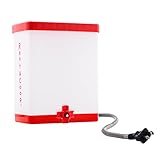
6. RentACoop 2-Liter Heated Poultry Waterer — Best for Small Flocks
As an Amazon Associate I earn from qualifying purchases. This article contains affiliate links. If you buy through these links, I may earn a commission at no extra cost to you.
Large winter waterers are not always better. If you only keep a few hens, bantams, pigeons, or quail, a compact heated drinker is easier to carry and easier to keep clean.
The smaller reservoir also encourages fresh refills instead of letting water sit for days. That can be helpful in winter when feed dust and debris collect around drinking points.
Capacity is the obvious compromise. This is not a good match for a big flock where the water would disappear too quickly.
- Key features: Compact 2-liter heated waterer designed for small poultry groups.
- Pros: Easy to lift; easy to clean; good size for small pens.
- Cons: Limited capacity; too many refill trips for larger flocks.
- Best for: A few hens, bantams, quail, pigeons, or small satellite pens.
Bottom line: This is a niche pick, but a good one when a large heated tank would be unnecessary.
Check RentACoop Heated Waterer on Amazon
7. JESTOP 35W Poultry Water Heater Base — Best Low-Watt Option

As an Amazon Associate I earn from qualifying purchases. This article contains affiliate links. If you buy through these links, I may earn a commission at no extra cost to you.
The JESTOP base is aimed at milder winter conditions. At 35 watts, it uses much less power than the heavier 125-watt bases in the list.
That lower output can be enough for overnight freezes or areas where temperatures only dip below freezing for part of the day. In prolonged deep cold, it may not give you the same margin as a higher-watt system.
It is better to think of this as freeze protection for moderate conditions rather than a heavy-duty heater.
- Key features: 35W low-power heated base/pad design.
- Pros: Lower power draw; simple setup; useful in milder winter climates.
- Cons: Less heating reserve during severe or prolonged cold.
- Best for: Smaller setups where freezing is occasional rather than extreme.
Bottom line: A good choice for moderate winters, but not the one to rely on for repeated deep-freeze conditions.
Check JESTOP Heated Base on Amazon
8. Dreyoo 125W Heated Poultry Waterer Base — Best Alternative Metal-Fount Base

Dreyoo uses the same basic idea as the top Farm Innovators base: put a compatible metal poultry fount on top and warm it from below.
The 125-watt output gives it more reserve than a low-watt pad when temperatures drop hard. It is a straightforward alternative if you like heated-base systems but want another brand option.
As with any heated base, the waterer material matters. Keep it level, keep the electrical connection dry, and do not experiment with plastic containers that are not approved for the heater.
- Key features: 125W heated poultry-waterer base for compatible metal founts.
- Pros: Stronger heating capacity than low-watt pads; simple design; familiar base-style setup.
- Cons: Less established than the top Farm Innovators base; metal-fount compatibility limits flexibility.
- Best for: Keepers who want a second 125W heated-base option.
Bottom line: It does the same basic job as the top heated base, but with less feedback history behind it.
Check Dreyoo Heated Base on Amazon
Complete Heated Waterer vs. Heated Base vs. Deicer
A complete heated waterer is the easiest choice when you want one plug-in unit and do not mind changing your normal watering setup for winter.
A heated base is better if you already use a compatible metal fount. You keep the same drinker and add heat underneath it only when freezing weather arrives.
A deicer is the least disruptive option for a compatible bucket system. It warms the water from inside, but exposed nipples and cups can still freeze before the reservoir does.
If you do not need winter heating, the best chicken waterers guide covers everyday non-heated options.
Why Nipples Can Freeze Before the Reservoir
This is one of the most important winter details to understand. A nipple holds very little water and sits outside the warmer center of the container.
That small exposed part can freeze while several gallons inside the bucket remain liquid. During a hard freeze, test the drinking point with your finger instead of only checking the tank.
For a deeper look at those systems, see the chicken nipple waterer guide.
You Need Unfrozen Water, Not Hot Water
The goal is simple: keep fresh drinking water available. Chickens do not need water heated like a warm beverage.
University of Minnesota Extension emphasizes access to fresh, clean water during cold weather. Heated waterers and bases are just tools for keeping that water usable.
Thermostatic Heating Helps Save Energy
Many poultry heaters are designed to switch on as temperatures approach freezing and reduce heating when it is not needed. That makes more sense than running full output all day.
Do not assume every product works the same way. Check the manufacturer instructions for thermostat behavior, minimum temperatures, and approved container types.
Metal and Plastic Are Not Interchangeable
Traditional 125-watt bases are generally intended for compatible metal founts. Putting the wrong plastic waterer on a hot base can damage the container and create an unsafe setup.
Other products are made specifically for plastic buckets or have the heater integrated into the waterer itself. Match the heater to the waterer instead of improvising.
Electrical Safety Matters More in Winter
Snow melts. Water spills. Chickens scratch bedding everywhere. A coop is a rough place for electrical connections.
The Electrical Safety Foundation International recommends GFCI protection where water and electrical equipment may meet. Keep plugs dry, inspect cords regularly, and use equipment intended for the location.
Do Not Turn an Extension Cord Into Permanent Wiring
University of Minnesota Extension and ESFI both treat extension cords as temporary solutions. If the coop needs electricity every winter, permanent properly installed wiring is the better long-term answer.
If you must use a temporary cord, choose an outdoor-rated one that can handle the load. Keep every connection out of snow, puddles, wet litter, and reach of the flock.
Raise the Waterer, but Keep It Stable
A solid platform helps keep shavings and manure out of the drinking area. It also keeps electrical heating parts farther from loose bedding.
A wobbly stand is worse than no stand at all. A full waterer tipping over in freezing weather can soak the bedding and leave the flock without water.
If the area stays wet, the chicken bedding guide can help you rethink the floor setup.
Heated Waterers Still Need Cleaning
Heating stops or slows freezing. It does not remove slime, feed dust, manure, or mineral buildup.
Dump and scrub the drinker regularly, paying attention to trays, seams, nipples, and corners. The coop cleaning guide covers the rest of the winter cleanup routine.
There Is No Universal Freeze-Proof Temperature
Wind, water volume, wattage, drinker design, exposure, and the location of nipples or trays all affect how well a heated system performs.
During severe cold, check the system more often and keep a backup waterer ready. University of Minnesota Extension also recommends having a second option available in case the main system freezes or fails.
A Simple Winter Morning Check
Look at the plug and cord first. Then check the water level, look for ice, and trigger a nipple or cup to make sure water actually reaches the bird.
Before you walk away, look underneath the waterer. A puddle, frozen patch, or wet bedding can expose a leak before the reservoir appears empty.
If you use an automatic refill system in warmer weather, the automatic chicken waterer guide covers common leak and flow problems.
Which Heated Waterer Should You Choose?
If you already own a galvanized fount, the Farm Innovators HP-125 is the easiest winter upgrade.
If you want one complete system, the Premier 1 All-Season Heated Waterer is the stronger all-in-one choice.
For a smaller flock and a familiar bucket-style setup, the Farm Innovators HB-60P is easier to carry and clean than a large winter tank.
FAQs About Heated Chicken Waterers
Do chickens need a heated waterer in winter?
They need reliable access to fresh, unfrozen water. A heated waterer is one convenient way to provide that when temperatures stay below freezing, but you can also rotate fresh waterers manually if you do not have safe electricity at the coop.
Can I use a heated base under a plastic chicken waterer?
Only if the heater manufacturer specifically approves that waterer or material. Many traditional high-watt heated bases are intended for metal poultry founts.
Why are the nipples frozen when the bucket is not?
Nipples hold very little water and sit outside the warmer center of the reservoir, so they can freeze first. Test the drinking points during hard freezes instead of checking only the bucket.
Should a heated chicken waterer use a GFCI outlet?
GFCI protection is recommended where water may contact electrical equipment. Keep plugs and connections dry and use properly installed equipment that is suitable for the location.
Can I use an extension cord for a heated chicken waterer?
An extension cord should not become permanent coop wiring. If one is needed temporarily, use an outdoor-rated cord sized for the load and keep the connections away from snow, water, bedding, and poultry.
Does a heated chicken waterer still need cleaning?
Yes. Heating slows or prevents freezing, but it does not remove slime, feed dust, manure, or mineral buildup. Clean the reservoir, tray, nipples, and other drinking surfaces regularly.
What should I do if my heated waterer freezes anyway?
Give the flock another source of fresh water right away, then check the power supply, cord, heater, reservoir, and drinking points. Keep a backup waterer ready during severe winter weather.
Sources and Further Reading
- University of Minnesota Extension — Caring for Chickens in Cold Weather
- University of New Hampshire Extension — Backyard Chickens in Winter
- University of New Hampshire Extension — Producing Your Own Eggs
- Electrical Safety Foundation International — GFCIs
- Electrical Safety Foundation International — Extension Cord Safety
- Penn State Extension — Making Water Delivery Count
