

Chicken bedding looks simple until the coop gets wet, dusty, or starts smelling like ammonia. That is when the material under your flock really matters.
The best bedding also changes with the job. What works on a coop floor may be a poor choice for baby chicks, nesting boxes, or a covered run.
This guide compares 10 useful chicken bedding products for U.S. backyard flocks. You will also see where hemp, pine shavings, paper bedding, sand, and nest pads make the most sense.
Quick Comparison: Best Chicken Bedding Products
| Product | Material | Best Use | Amazon |
|---|---|---|---|
| Dominion Hemp Premium Hemp Bedding | Hemp | Overall coop floor bedding | Check |
| RentACoop Premium Hemp Bedding | Hemp | Deep litter and high absorbency | Check |
| Manna Pro Fresh Flakes | Pine shavings | Everyday coop floor bedding | Check |
| Small Pet Select Pine Shavings | Pine shavings | Coop and brooder use | Check |
| Carefresh Natural Paper Bedding | Paper fiber | Brooder and short-term chick bedding | Check |
| Small Pet Select Premium Paper Bedding | Paper | Soft low-dust brooder bedding | Check |
| Premium Chicken Sand, 50 lb | Sand | Covered runs and droppings areas | Check |
| Eaton Pet and Pasture Nesting Pads | Aspen excelsior | Overall nesting box pad | Check |
| Pecking Order Aspen Nest Box Pads | Aspen excelsior | Clean eggs and easy nest upkeep | Check |
| Precision Pet Chicken Nesting Pads | Nesting pad | Established nest-box alternative | Check |
No bedding fixes a wet coop by itself. Leaking waterers, poor ventilation, roof leaks, and too much manure will overwhelm even a very absorbent material.
10 Best Chicken Bedding Products for Coops, Chicks, Nests, and Runs
1. Dominion Hemp Premium Hemp Bedding, 285 L — Best Overall Chicken Coop Bedding

As an Amazon Associate I earn from qualifying purchases. This article contains affiliate links. If you buy through these links, I may earn a commission at no extra cost to you.
Hemp is one of those bedding materials that makes sense once you have dealt with a damp coop. It absorbs well without turning into the heavy, soggy mess you can get from poorly managed straw.
This Dominion Hemp bale is made for chicken coops and animal enclosures, not just tiny pet cages. The large bag also makes more sense for a real coop floor than buying several small packs.
The nice part is how easy hemp is to spot-clean. You can pull out wet patches under the roost or waterer and leave the dry material in place.
- Features: 285 L / 10+ cu ft hemp bedding; large-animal and coop use.
- Pros: Absorbent, easy to spot-clean, useful for coop floors and nest areas.
- Cons: Usually costs more than basic pine shavings.
- Best for: Your main coop floor when you want a natural bedding that handles moisture well.
Check Dominion Hemp Bedding on Amazon
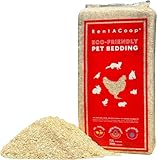
2. RentACoop Premium Hemp Bedding, 300 L — Best for Deep Litter
As an Amazon Associate I earn from qualifying purchases. This article contains affiliate links. If you buy through these links, I may earn a commission at no extra cost to you.
RentACoop’s 300-liter hemp bale is a better fit when you want a deeper bedding layer instead of a thin daily-clean setup. It gives you enough material to build a proper base and still have extra for topping up.
This is also one of the better options if the area under your roosts tends to get damp. Pull out the wet clumps, stir the dry bedding, and add fresh material where needed.
Deep litter still needs airflow and moisture control. If the coop smells sharp or the bedding stays wet, adding more hemp on top is not the real fix.
- Features: 300 L hemp bale; low-dust style bedding; designed for coops, brooders, and nest boxes.
- Pros: Good absorbency, large volume, compostable after use.
- Cons: Higher upfront cost than common wood shavings.
- Best for: A coop where you use the deep litter system or prefer spot-cleaning between larger cleanouts.
Check RentACoop Hemp Bedding on Amazon
3. Manna Pro Fresh Flakes Pine Shavings — Best Pine Shavings for Coop Floors

As an Amazon Associate I earn from qualifying purchases. This article contains affiliate links. If you buy through these links, I may earn a commission at no extra cost to you.
Pine shavings are still the practical choice for many backyard keepers. They are familiar, easy to spread, and usually simpler to find than hemp.
Manna Pro’s Fresh Flakes are made specifically for poultry bedding. The manufacturer recommends spreading them over a clean, fully dry floor rather than trapping moisture underneath.
If your hens scratch a lot, expect the shavings to travel. A kickboard at the doorway can save you from sweeping bedding back into the coop every morning.
- Features: Heat-dried pine shavings; screened bedding for poultry use.
- Pros: Easy to spread, familiar, absorbent, good everyday coop bedding.
- Cons: Light shavings can get kicked into feeders, doors, and walkways.
- Best for: Your regular coop floor when you want a simple pine bedding with easy cleanup.
Check Manna Pro Fresh Flakes on Amazon
4. Small Pet Select Pine Shavings Chicken Bedding — Best for Coop and Brooder Use

As an Amazon Associate I earn from qualifying purchases. This article contains affiliate links. If you buy through these links, I may earn a commission at no extra cost to you.
This is another pine option, but it is useful when you want bedding that can move from the brooder to the coop. Small Pet Select markets it for baby, growing, and adult chickens.
The shavings are processed to reduce dust and are made without added dyes. That matters more in a brooder, where chicks spend nearly all day close to the floor.
Do not start tiny chicks on a slick surface. Once you move them onto shavings, keep the layer dry and remove wet spots around the waterer quickly.
- Features: Pine shavings made for chicken bedding; processed for low dust.
- Pros: Works for chicks and adults; biodegradable; easy to rake out.
- Cons: Wet shavings cake if leaks or poor ventilation are ignored.
- Best for: A brooder or coop where you want one pine bedding type for different ages.
Check Small Pet Select Pine Shavings on Amazon
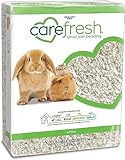
5. Carefresh Natural Paper Bedding, 50 L — Best Soft Paper Bedding for Chicks
As an Amazon Associate I earn from qualifying purchases. This article contains affiliate links. If you buy through these links, I may earn a commission at no extra cost to you.
Paper bedding feels very different from pine shavings. It is soft under small feet and works well when you want a cushioned brooder surface for a limited number of chicks.
The downside is how quickly paper can look dirty once chicks start spilling water and feed. It is better for a brooder or small area than for covering a large adult coop floor.
Keep an eye on loose pieces near feeders. Young chicks peck at almost everything, so clean bedding and good brooder management still matter more than the label on the bag.
- Features: Soft paper-fiber bedding; 50 L pack.
- Pros: Soft, easy to spot soil, comfortable for small birds.
- Cons: Can become expensive and messy in a full-size adult coop.
- Best for: Your chick brooder or small temporary poultry area.
Check Carefresh Paper Bedding on Amazon
6. Small Pet Select Premium Paper Bedding — Best Low-Dust Paper Option

As an Amazon Associate I earn from qualifying purchases. This article contains affiliate links. If you buy through these links, I may earn a commission at no extra cost to you.
If you prefer paper but want a softer, low-dust option, this one is worth considering for chicks or a small indoor brooder. The material is unbleached paper and is sold by expanded volume.
It is easy to see damp or dirty spots against the lighter bedding. That makes quick daily cleanup easier when you are raising young chicks indoors.
For an adult flock, though, the volume disappears fast. Pine or hemp is usually more practical once you are covering a full coop floor.
- Features: Soft paper bedding; 56 L size; low-dust style material.
- Pros: Soft for chicks, easy to spot dirty areas, useful indoors.
- Cons: Not the most economical option for a large coop.
- Best for: A brooder where softness and easy spot-cleaning matter more than bulk coverage.
Check Small Pet Select Paper Bedding on Amazon
7. Premium Chicken Sand, 50 lb — Best for Covered Chicken Runs

As an Amazon Associate I earn from qualifying purchases. This article contains affiliate links. If you buy through these links, I may earn a commission at no extra cost to you.
Sand is not the right answer for every coop, but it can work very well in a dry, covered run. Droppings stay visible on the surface, so you can scoop them instead of replacing the whole floor layer.
The key word is dry. Sand in a poorly drained run can turn into a heavy mess after rain and may stay cold and damp for longer than loose organic bedding.
Use a coarse, suitable poultry-grade sand rather than fine dusty material. ChickenJournal’s full guide to sand for chicken coop bedding explains where sand works and where it causes problems.
- Features: 50 lb chicken sand product.
- Pros: Easy droppings cleanup; long-lasting in a dry covered area.
- Cons: Heavy; poor choice for wet or badly drained runs.
- Best for: Your covered run or droppings area where the floor stays dry.
Check Premium Chicken Sand on Amazon
8. Eaton Pet and Pasture Nesting Pads, 10 Pack — Best Overall Nesting Box Pads

As an Amazon Associate I earn from qualifying purchases. This article contains affiliate links. If you buy through these links, I may earn a commission at no extra cost to you.
Loose bedding in a nest box has one annoying habit: hens kick it out. By the time the next egg arrives, part of the wooden floor may already be showing.
Eaton’s pads stay together better because the aspen fibers are attached to a kraft-paper base. That gives your hens a softer nest while helping keep eggs off the hard box floor.
The pads are made for standard-style nesting boxes and can be replaced when they become dirty. They are especially handy if you are tired of refilling loose shavings every few days.
- Features: 10-pack; 13 × 13-inch style pads; aspen excelsior with paper backing.
- Pros: Stays in place better than loose bedding; easier egg collection; quick replacement.
- Cons: Hens may scratch or tear pads, and replacements add ongoing cost.
- Best for: Your chicken nesting boxes when loose bedding keeps getting kicked out.
Check Eaton Nesting Pads on Amazon
9. Pecking Order Aspen Nest Box Pads, 10 Pack — Best for Cleaner Eggs

As an Amazon Associate I earn from qualifying purchases. This article contains affiliate links. If you buy through these links, I may earn a commission at no extra cost to you.
Pecking Order uses aspen excelsior too, but the pad is designed to lift eggs slightly above loose debris. That can make morning egg collection cleaner and easier.
The 13-inch pad fits many common nest boxes and can be fluffed to fill small gaps. Put the paper side down and replace the pad once it becomes badly soiled.
This is a simple product, and that is the appeal. There is no loose pile to level every morning after an energetic hen rearranges the nest.
- Features: Aspen excelsior nest pads; 10 pack; shaped for common chicken nest boxes.
- Pros: Helps keep eggs visible and cleaner; quick to install; easy to replace.
- Cons: Some hens may pull fibers apart while nesting.
- Best for: Your laying boxes when cleaner eggs and faster daily cleanup matter most.
Check Pecking Order Nest Box Pads on Amazon
10. Precision Pet Chicken Nesting Pads, 10 Pack — Best Established Nest Pad Alternative

As an Amazon Associate I earn from qualifying purchases. This article contains affiliate links. If you buy through these links, I may earn a commission at no extra cost to you.
Precision Pet is another good fit if you prefer a replaceable pad instead of loose nesting material. The 13-inch size works with many standard backyard nest boxes.
A pad also makes cleanup more predictable. Lift out the dirty liner, wipe the box if needed, and set a fresh one in place.
It will not stop a determined hen from scratching. Still, most keepers find a pad easier to manage than constantly pushing loose bedding back into the box.
- Features: 10 nesting pads; 13 × 13-inch format.
- Pros: Easy replacement; cleaner nest floor; simple daily maintenance.
- Cons: Costs more over time than using loose shavings from a large bale.
- Best for: Your nest boxes when convenience matters more than the lowest bedding cost.
Check Precision Pet Nesting Pads on Amazon
Which Chicken Bedding Is Best for Each Area?
There is no single winner for every part of the coop. Choosing bedding by location usually works better than buying one material and forcing it everywhere.
Coop Floor
Hemp and pine shavings are the easiest all-around choices for most backyard coops. Both give your flock a loose surface for scratching and help manage manure moisture.
Pine is usually the simpler budget choice. Hemp is attractive when absorbency and spot-cleaning matter more to you.
Nesting Boxes
Loose pine shavings work well, and Penn State recommends clean pine shavings in nest boxes. Nest pads are easier when your hens constantly kick loose bedding onto the floor.
Whatever you use, keep enough soft material under the eggs. A bare wooden nest floor gives eggs less protection when hens step in and out.
Baby Chick Brooder
Young chicks need a dry, non-slip surface. Wood shavings or another absorbent litter can work once the brooder is set up correctly.
Very smooth newspaper is a poor floor because chicks can slip. For more setup help, see the guide to raising baby chicks.
Covered Chicken Run
Sand can work well where rain does not soak the floor. It is easy to scoop, does not blow around like shavings, and lasts longer in a dry run.
In an uncovered muddy run, sand can become heavy and unpleasant. Fix drainage first instead of expecting the bedding to solve standing water.
Pine vs. Hemp vs. Paper vs. Sand
Pine shavings are the everyday workhorse. They are easy to spread, absorbent, and widely used in small poultry flocks.
Hemp is useful when you want high absorbency and easy spot-cleaning. The main downside is usually cost.
Paper bedding is soft and handy in small brooders. It is less practical when you need to cover a large adult coop floor.
Sand behaves more like a permanent floor material than fluffy bedding. It works best in dry, covered areas where you can scoop droppings often.
Best Bedding for the Deep Litter Method
The deep litter method is more than piling new bedding on top of old manure. The litter needs to stay loose enough to work, dry enough to avoid caking, and ventilated enough to release moisture.
Hemp and pine shavings are both reasonable choices. Start with enough dry material, stir it when needed, remove wet clumps, and add fresh bedding before the surface becomes sticky or matted.
If you can smell strong ammonia, the system needs attention. Check moisture, manure buildup, ventilation, and water leaks before adding another layer.
How Deep Should Chicken Bedding Be?
For a normal floor-bedding setup, you need enough material to cover the floor and absorb moisture without exposing hard patches. Many poultry guides use several inches of litter as a practical starting point.
For deep litter, the layer becomes much deeper over time. ChickenJournal’s deep litter guide explains that method in detail.
Wet Bedding Is the Real Enemy
The bedding material matters, but moisture matters more. Wet litter cakes, holds manure, and can increase ammonia inside the coop.
Look first around waterers and under roosts. Those are the places where damp spots often start.
A leaking drinker can ruin fresh bedding overnight. If that keeps happening, compare the options in ChickenJournal’s guide to the best chicken waterers.
How Often Should You Change Chicken Bedding?
There is no fixed schedule that works in every coop. Flock size, bedding depth, ventilation, weather, and water spills all change how fast litter gets dirty.
Remove wet spots as soon as you find them. Do a fuller clean when the bedding becomes caked, smells bad, stays damp, or stops working like loose litter.
For a complete cleaning routine, see how to clean a chicken coop.
Chicken Bedding Materials to Avoid or Use Carefully
Wet or moldy bedding: Throw it out. No bedding material is worth keeping once it is staying damp or growing mold.
Very fine dusty material: Chickens live close to the floor, so avoid bedding that throws a cloud of dust every time they scratch.
Cedar shavings for chicks: Penn State’s brooder guidance specifically says not to use cedar shavings. Pine shavings are the more common poultry choice.
Slippery newspaper for young chicks: Smooth floors can make it harder for chicks to keep their footing. Use a surface with better grip.
Sand in a wet run: Fix drainage before adding more sand. Bedding cannot compensate for water flowing through the enclosure.
How to Keep Bedding From Smelling
Do not try to perfume a wet coop. Find the moisture source first.
Clean the wet spots, improve airflow, check the roof, and make sure the waterer is not leaking. Then add fresh dry bedding.
If you still need help after fixing the moisture problem, see the guide to chicken coop deodorizers.
What Bedding Works Best in Winter?
Winter bedding has two jobs: stay dry and help keep cold floors from becoming uncomfortable. A deeper layer of dry shavings or hemp can help with both.
Do not close the coop so tightly that moisture gets trapped inside. Good winter ventilation matters because manure adds a lot of water to the coop air.
For more cold-weather setup tips, see how to keep chickens warm in winter.
Final Verdict
For a main coop floor, Dominion Hemp Bedding is the most versatile overall pick in this list. It gives you good coverage, strong moisture handling, and easy spot-cleaning.
If you want a more traditional bedding, Manna Pro Fresh Flakes is the straightforward pine-shaving choice.
For nesting boxes, Eaton Pet and Pasture Nesting Pads are easier to manage than loose bedding when your hens keep scratching the nest bare.
The best setup may use more than one material. Hemp or pine on the coop floor, paper or low-dust shavings in the brooder, and pads in the nest boxes can work together just fine.
FAQs About Chicken Bedding
What is the best bedding for a chicken coop floor?
Pine shavings and hemp are both practical choices for most backyard coops. Pine is widely used and easy to find, while hemp is useful when you want strong absorbency and easier spot-cleaning.
What is the best bedding for chicken nesting boxes?
Clean pine shavings work well, while aspen nesting pads are useful when hens keep kicking loose bedding out of the box. Keep enough material under the eggs to cushion them from the hard nest floor.
Can baby chicks use pine shavings?
Yes. Poultry extension guidance commonly recommends wood shavings as brooder litter. Keep the bedding dry, avoid slippery flooring, and remove wet spots around the chick waterer quickly.
Is hemp bedding good for chickens?
Hemp can work very well in chicken coops because it is absorbent and easy to spot-clean. It is often more expensive than pine shavings, so the better choice depends on your coop size and budget.
Is sand good bedding for a chicken run?
Sand can work well in a dry, covered, well-drained run because droppings can be scooped from the surface. It is less suitable where rain or poor drainage keeps the floor wet.
How often should chicken bedding be changed?
There is no single schedule for every coop. Remove wet bedding right away and do a larger cleanout when litter becomes damp, caked, dirty, or develops a strong odor.
Why does chicken bedding smell like ammonia?
Ammonia usually becomes worse when manure and litter stay wet. Remove damp material, check for leaking waterers, improve ventilation, and replace it with fresh dry bedding.
Sources and Further Reading
- Penn State Extension — Successfully Raising a Small Flock of Laying Chickens
- University of Minnesota Extension — Caring for Chickens in Cold Weather
- Mississippi State University Extension — Poultry Litter Management
- Manna Pro — Fresh Flakes Poultry Bedding
- RentACoop — Premium Hemp Bedding
- Dominion Hemp — Large Hemp Bedding
- Pecking Order — Nest Box Pads
- Eaton Pet and Pasture — Premium Nesting Pads
