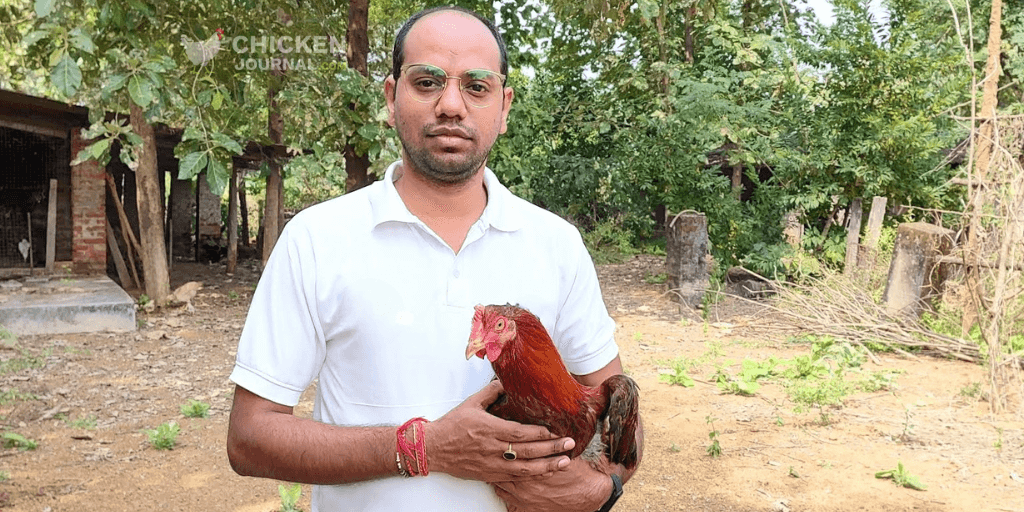

Backyard chickens are not automatically a cheap source of eggs. Once feed, housing, bedding, fencing, replacement birds, electricity, and health care are added up, the flock can cost more than many new keepers expect.
The safest way to spend less is not to cut the things chickens actually need. It is to stop losing money through spilled feed, rodents, bad storage, oversized flocks, weak fencing, preventable illness, and equipment you never really needed.
That is what the 21 ideas below focus on. None depends on invented savings percentages or starving birds into “efficiency.” The goal is a flock that costs less because the system works better.
1. Keep Only the Number of Chickens You Actually Need
It is easy to buy too many chicks because the purchase price feels small. The cost shows up later in feed, roost space, litter, manure, fencing, and daily work.
If your main goal is eggs for the household, work backward from how many eggs you normally use. Leave room for molt, winter slowdowns, broodiness, and aging hens, but avoid doubling the flock “just in case.”
2. Choose Birds for the Job
A breed that is perfect for one keeper can be expensive for another. Light laying strains usually turn feed into eggs more efficiently than large heritage birds. Heavy dual-purpose breeds eat more, but they may suit a household that values both eggs and meat. Bantams consume less feed, but their eggs are smaller.
There is no single “cheapest chicken breed.” Match the bird to your climate, space, temperament needs, and reason for keeping chickens. Paying extra for rare colors makes little sense if production is your priority.
Our guides to egg-laying breeds and dual-purpose chickens can help narrow that choice.
3. Compare the Real Cost of Chicks, Pullets, and Adult Hens
Day-old chicks are usually cheaper to buy than started pullets, but they need brooder heat, chick starter, equipment, and months of care before the first egg arrives.
A healthy pullet costs more up front but skips much of the brooding period. An adult hen may look like a bargain, but age and laying history matter. Compare the whole path from purchase to useful production, not just the price on the bird.
If you buy locally, quarantine new birds before mixing them into the flock. One inexpensive hen carrying mites or disease can erase the saving very quickly.
4. Build a Simple Coop, Not an Expensive Showpiece
Chickens need a dry, ventilated, secure shelter. They do not care whether the trim matches the house.
Penn State Extension’s 2026 housing guidance puts the important things first: protection from weather, predators, injury, and excess moisture. Spend your money there. A strong roof, good ventilation, secure doors, sensible roosts, and a predator-resistant run are worth more than decorative windows or complicated gadgets.
Use our chicken space guide before building. A coop that is far too large costs more to construct. A coop that is too small creates crowding and health problems.
5. Reuse Materials, but Inspect Them First
Reclaimed lumber, metal roofing, shelves, hinges, and food-grade containers can reduce construction costs. The catch is that “free” material is not free if it is rotten, contaminated, or unsafe.
Skip wood with unknown chemical exposure, peeling old paint, protruding nails, weak joints, or deep rot. Coop surfaces should be sturdy enough to clean and strong enough to resist predators.

6. Make Nest Boxes From Simple Materials
Nest boxes are a good place to save because hens mainly care about privacy, dryness, cleanliness, and enough room to turn around.
Scrap plywood, sturdy crates, cabinet boxes, or heavy plastic tubs can all work. Avoid flimsy containers that tip when a hen steps in or designs with sharp edges that are difficult to clean.
See our DIY nesting box guide for placement and practical sizing.
7. Stop Feed Waste Before Looking for Cheaper Feed
Feed is usually the largest recurring poultry expense. Merck Veterinary Manual and University of Georgia Extension both make the same basic point: good feed is a sound investment, and an unbalanced diet is not economical.
Before changing brands, watch what happens around your feeder. A little feed thrown into the litter every day becomes a large loss over a season.
University of Maryland recommends keeping feeders less than half full when appropriate and protecting feed from weather. Adjust feeder height and lip depth so birds can reach the ration without raking it onto the floor.
8. Keep Feed Dry and Rodent-Proof
Bulk feed is only a bargain if the flock gets to eat it.
Rodents consume feed, contaminate what remains, chew bags, and attract snakes. University of Maryland recommends cleaning spilled feed, adjusting feeders, removing shelter around poultry buildings, and using rodent-resistant storage.
Metal containers are harder for rats and mice to chew than ordinary plastic bins. Whatever you use, keep feed cool, dry, sealed, and off wet floors.
9. Buy Only as Much Feed as You Can Keep Fresh
A larger bag often costs less per pound, but overbuying can turn that saving into stale or moldy feed.
Merck warns that prolonged storage can reduce vitamin activity and that heat and moisture encourage deterioration. For a small flock, a slightly smaller bag that stays fresh can be better value than months of feed sitting in a hot shed.
If several local keepers want to split a larger order, divide it cleanly and store each share properly. The saving should come from purchasing efficiently, not keeping feed past its useful life.
10. Do Not Dilute the Complete Ration to Save Money
This is where cheap feeding becomes expensive.
A complete poultry ration is formulated to provide the right balance of energy, amino acids, vitamins, minerals, calcium, phosphorus, and other nutrients for a particular life stage. Replacing a large part of it with corn, scratch, bread, or kitchen leftovers may lower the feed bill while also lowering the quality of the diet.
University of Maryland warns that mixing grain into a complete ration dilutes nutrient density. Merck likewise recommends complete feeds for growing and laying poultry.
Our feeding chickens guide explains how starter, grower, and layer diets differ.
11. Use Kitchen Scraps to Reduce Waste, Not Replace Feed
Plain vegetable trimmings and a few other safe leftovers can keep edible food out of the trash. That is useful. It is not the same as turning scraps into the flock’s main ration.
Merck notes that excessive scratch, treats, and fatty scraps can contribute to nutritional imbalance and overconditioning. Count all extras together rather than calling each one a separate “small treat.”
Our updated table scraps guide covers safe choices and common mistakes.
12. Let Chickens Forage When the Property Makes It Worthwhile

Pasture, bugs, fallen seeds, and greens can supplement the diet and give chickens more natural behavior. Mississippi State Extension describes good pasture as a supplement, not a replacement for proper poultry feed.
Do not promise that free-ranging cuts feed use by a fixed percentage. What the birds find depends on season, stocking density, rainfall, soil, vegetation, and how far they range.
Predator losses, hidden nests, and garden damage can also erase any feed saving. Our free-range chicken guide explains those trade-offs.
13. Rotate Outdoor Areas Before the Ground Is Destroyed
A portable fence or mobile shelter can help you use the land more evenly. Move birds before the same patch becomes bare dirt and mud.
There is no useful “move every seven days” rule. A dozen hens on fast-growing spring grass behave very differently from a large flock on dry summer ground.
Watch the vegetation, soil, manure buildup, and weather. Rotation can preserve forage and reduce repair work on worn-out runs without pretending pasture is free complete feed.
14. Grow Greens or Fodder for Variety, Not Magic Savings
Home-grown greens can be useful when the run is bare or winter limits forage. Sprouted grain fodder is another option, but most of the dramatic increase in tray weight is water.
Do not compare one pound of dry seed with several pounds of wet sprouts and call all of that extra weight “new feed.” Measure the real dry matter and the cost of seed, trays, water, electricity, and labor.
Our fodder for chickens guide explains the dry-matter issue and mold risk in more detail.
15. Raise Insects as Treats, Not as a Homemade Ration

Mealworms and black soldier fly larvae can be useful enrichment if you can raise them cleanly and cheaply. They are also easy to overstate.
Do not replace a quarter of the commercial ration just because insects are high in protein. Protein percentage alone does not tell you whether amino acids, minerals, energy, and calcium are balanced for the flock.
If you raise insects, use clean substrates and avoid spoiled food, chemical contamination, and medication residues. Our mealworm guide covers safe use as a treat.
16. Choose Bedding by Local Availability and Coop Conditions
Pine shavings may be inexpensive in one area and costly in another. The same is true for straw and sand. Compare what is available locally and choose a bedding that keeps the floor dry and can be managed safely.
Do not throw out clean bedding just because the calendar says it is cleaning day. Spot-clean wet or heavily soiled areas and replace material when conditions actually require it.
The deep litter method can reduce full cleanouts in suitable coops, but it only works when moisture and ventilation are under control. Wet litter that smells strongly of ammonia is not saving you anything.

17. Compost Manure Instead of Treating It as Waste
Used bedding and chicken manure can become valuable garden compost when managed properly.
Oregon State University Extension notes that chicken manure contains useful nutrients but should be composted with enough carbon-rich bedding and managed for moisture and aeration. Raw manure can contain pathogens and can also be too concentrated for some plants.
Compost is not automatically “free fertilizer for everything.” Apply it according to soil needs, and be especially cautious around crops eaten raw.
18. Keep Rodents From Turning Your Feed Bill Into Their Feed Bill
Rats and mice are one of the least glamorous places to save money, but they matter.
Clean spills, remove clutter that gives rodents shelter, keep feed sealed, and fix holes around the poultry area. University of Maryland’s small-farm rodent guidance emphasizes prevention because food, water, and shelter are what allow a rodent population to establish.
Good rodent control also reduces contamination and can make the property less attractive to snakes.
19. Spend on Predator Protection Before You Spend on Replacement Birds
A weak latch or flimsy lower fence can make every other cost-saving idea meaningless after one night.
Penn State recommends secure housing, heavy-gauge screening on openings, buried or outward-toed fencing against digging predators, and covered runs when hawks and owls are a problem.
Use our chicken predator guide and chicken fencing guide to fix the actual weak point rather than relying on motion lights or scare gadgets alone.
20. Prevent Disease Instead of Buying Random Supplements
USDA’s Defend the Flock program stresses basic biosecurity because preventing disease protects both the birds and the investment in them.
Keep visitors and shared equipment under control, quarantine new birds, clean waterers, store feed properly, and use vaccination or parasite treatment when it is appropriate for the flock and local risk.
Do not build a “cheap health program” around vinegar, garlic, oregano, pumpkin seeds, or diatomaceous earth. None is a substitute for diagnosis, vaccination, biosecurity, or an effective treatment when disease is present.
21. Review the Flock Instead of Feeding Birds by Habit
A flock changes. Hens age, roosters accumulate, your egg needs shift, and some birds stop fitting the original purpose of the flock.
That does not mean every hen should be removed at two years old. Production usually declines with age, but many healthy hens continue laying for years at a lower rate.
Decide what older birds mean in your own flock. Some keepers keep retired hens as pets. Others rehome or process birds where local law and household preferences allow. The money-saving part is making that choice deliberately instead of maintaining an ever-growing flock by accident.
Money-Saving Ideas That Often Backfire
| Shortcut | Why it can cost more later |
|---|---|
| Buying the cheapest feed you can find | An unsuitable or poorly balanced ration can reduce growth, laying, and health. |
| Replacing feed with lots of scraps | Balanced nutrition gets diluted and obesity or deficiency becomes more likely. |
| Buying months of feed at once | Heat, moisture, pests, and long storage can reduce feed quality. |
| Using chicken wire as the only predator barrier | It may contain birds without stopping raccoons, dogs, or other determined predators. |
| Using unsafe scrap construction material | Rot, sharp metal, weak framing, and old chemicals can create repair and health problems. |
| Depending on untreated stored rainwater | Roof runoff and storage containers can introduce contamination; dependable clean drinking water matters more. |
| Trying to force extra winter eggs | Lighting programs require mature birds, proper nutrition, and consistent management. More light is not a universal cost-saving trick. |
Frequently Asked Questions
What is the biggest ongoing cost of keeping chickens?
Feed is usually the largest recurring cost. Reducing spillage, rodent losses, moisture damage, and overbuying is often safer than switching to a cheaper but poorer-quality ration.
Can free-ranging reduce feed costs?
It can supplement the diet when good forage is available, but there is no reliable percentage by which free-ranging reduces feed use. Productive chickens still need an appropriate complete ration, and predator or hidden-nest losses can offset savings.
Does fermenting chicken feed save money?
Not automatically. Wet or fermented feed changes moisture and feeding behavior, but there is no universal backyard saving. Poorly managed wet feed can also spoil. Complete nutrition and feed hygiene should come first.
Is it cheaper to hatch my own chicks?
Sometimes, but only when you already have fertile eggs or breeding stock, suitable incubation and brooding equipment, and a plan for surplus males. Hatch failures and brooding costs can erase the saving.
Can I save money by using chicken wire instead of hardware cloth?
Chicken wire is useful for containment, but vulnerable coop openings and lower run sections often need stronger welded mesh. Losing birds to predators costs more than the small material saving from using weak wire in the wrong place.
What is the safest way to reduce chicken feed costs?
Reduce waste rather than nutrients. Adjust feeders, keep feed dry and rodent-proof, buy only what you can store fresh, limit unnecessary treats, and use a complete ration appropriate for the birds’ age and purpose.
Final Thoughts
The best savings in a backyard flock are rarely dramatic. They show up quietly when less feed ends up in the litter, fewer rodents get into storage, the coop lasts longer, and predators do not turn a healthy hen into a replacement expense.
Do not save money by cutting complete feed, clean water, ventilation, or predator protection. Those are exactly the areas where a cheap shortcut can become expensive.
If you want a lower-cost flock, make the system more efficient. Do not ask the chickens to live on less than they need.
Sources
- Merck Veterinary Manual: Management of Backyard Poultry
- Merck Veterinary Manual: Feeding and Management Practices in Poultry
- University of Maryland Extension: Feeding the Right Ration
- University of Maryland Extension: Rodent Control on Small Poultry Farms
- Penn State Extension: Small Scale Poultry Housing, updated June 2026
- USDA APHIS: Defend the Flock Biosecurity Program
- University of Georgia Extension: Management Guide for the Backyard Flock
- Oregon State University Extension: Composting Chicken Manure