
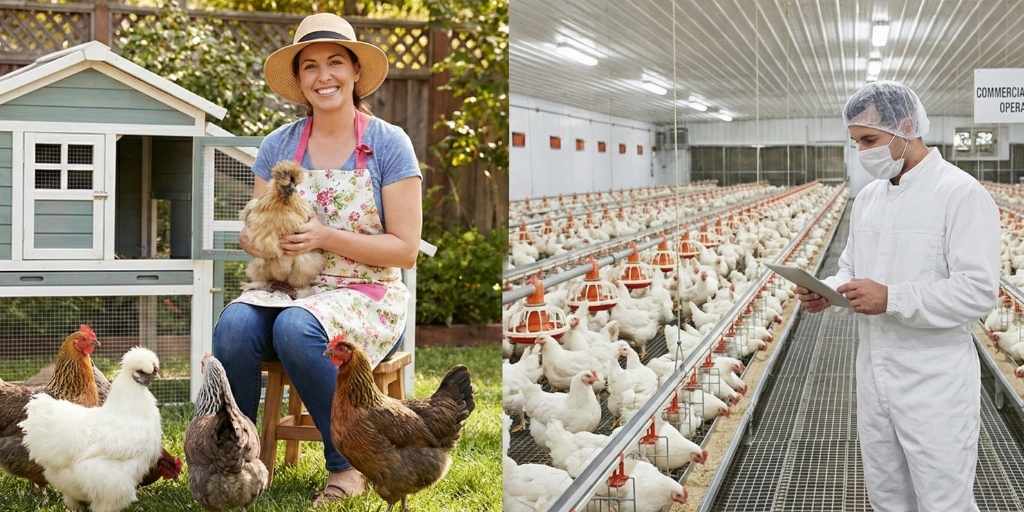
Six hens can be a hobby. Forty hens can still be a hobby. And for someone selling eggs every week, twenty hens may already feel like the start of a small farm.
That is why I do not like drawing a hard line between a “hobby chicken keeper” and a “serious chicken keeper.” The number of birds does not tell you how well they are cared for, and there is no universal flock size that suddenly turns a backyard setup into a business.
What you notice instead is that the work changes as the flock grows. Feed disappears faster. Waterers need filling more often. Manure builds up sooner. A coop that felt roomy with eight birds can feel crowded after you add another dozen. If you start selling eggs, chicks, or birds, you also have paperwork and local rules to think about.
So the useful question is not, “Am I a hobbyist or a serious keeper?” It is, “Has my flock grown beyond the way I am currently managing it?”
A Small Flock Still Needs Serious Care
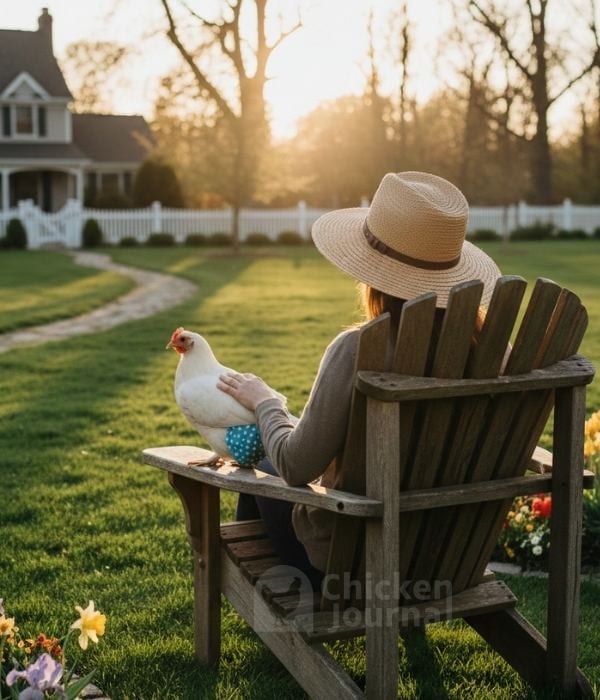
One of the biggest problems with the hobby-versus-serious idea is that it can make a small flock sound less important. It is not.
Four hens still need clean water every day. They still need a balanced diet, a dry place to sleep, enough room to move, protection from predators, and someone who notices when one bird is standing off by herself or stops eating.
The same is true for biosecurity. USDA’s Defend the Flock program is aimed at everyone who works with or handles poultry, not only large farms. New birds, wild birds, rodents, dirty footwear, borrowed equipment, and visitors who have been around other poultry can all bring disease into a backyard flock.
You do not need a commercial-farm setup to take sensible precautions. A separate space for new birds, clean feeders and waterers, rodent control, protected feed storage, and a daily look at the flock go a long way.
The First Real Change Is Usually the Workload
With a few hens, daily chores are fairly simple. You can walk out with a bucket of feed, top up the water, collect the eggs, and spend a minute looking over each bird.
Add more chickens and the same jobs start taking longer. You may need two feeders instead of one. The birds can empty a waterer on a hot afternoon that used to last all day. Bedding gets dirty faster. You collect more eggs, but you also have more shells to check, more nest boxes to keep clean, and more birds to count before closing the coop at night.
This is the point where good equipment begins to matter more. Larger feeders, dependable waterers, dry feed storage, easy-to-clean nest boxes, and a coop you can actually walk into can save a surprising amount of time.
Automatic doors and watering systems can help too, but I would never treat them as a replacement for checking the flock. A nipple can clog, a hose can leak, and an automatic door can fail. Chickens still need a person to look at them.
Housing Problems Show Up Fast When You Add Birds
Most people do not notice they are short on space until the flock has already grown.
You may see birds arguing over roost space, sleeping in nest boxes, waiting for a feeder, standing in wet litter near the waterer, or picking feathers when they are confined for long periods. Those are much more useful warning signs than trying to fit every backyard coop into one magic square-foot rule.
Space recommendations are still helpful, but climate and management matter. A flock that spends most of the day ranging outside uses its indoor space differently from birds that are confined because of snow, predators, or a small lot.
Ventilation becomes especially important as bird numbers rise. More chickens mean more moisture from droppings and breathing. If the coop smells strongly of ammonia when you walk in, simply adding more bedding is not enough. You need to find the moisture source, improve ventilation, and remove wet material.
Predator protection also becomes more expensive to fix after the flock expands. Build the secure run, roost space, and fencing first. Where predators can reach through or tear at an enclosure, hardware cloth is usually a much better barrier than lightweight chicken wire.
Feed Is Where a Bigger Flock Hits Your Wallet
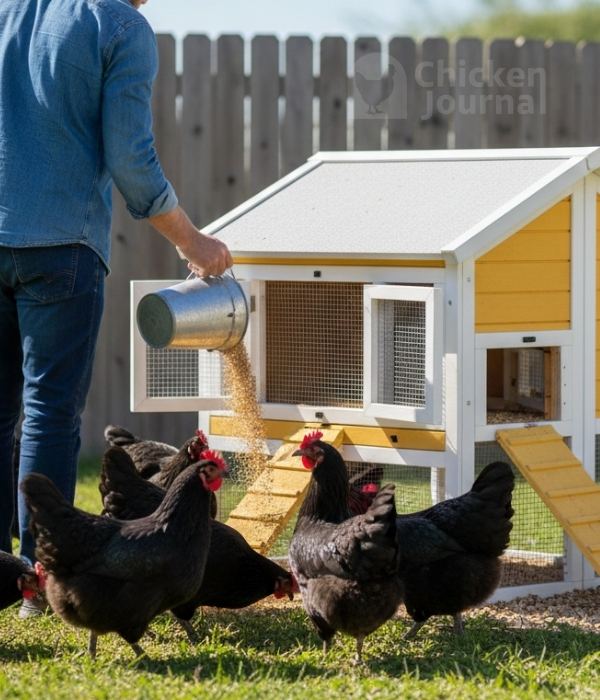
A little feed waste barely gets noticed with a tiny flock. With several dozen birds, you start noticing it very quickly.
That is when spilled feed, rodents getting into bags, and overfeeding treats become real costs. It is also when people are tempted to stretch a bag of complete feed with more scratch, kitchen scraps, or cheap grains.
Be careful with that. A properly formulated poultry feed is designed to provide protein, amino acids, vitamins, minerals, and energy in the right balance. Chicks, growing pullets, laying hens, and meat birds do not all need the same feed. Replacing too much of that ration with low-nutrient extras can save money on the bag and cost you somewhere else through poor growth, weak shells, lower laying, or health problems.
If your flock is getting large enough that feed cost matters every week, reducing waste is usually a safer place to start than trying to reinvent the ration.
Records Start Making Sense Before You Think They Will
For five hens, you may remember almost everything. You know which one is old, which one lays the blue eggs, and which bird was sick last month.
That gets harder with a bigger flock.
You do not need complicated farm software. A notebook or simple spreadsheet can be enough. Record when you bought or hatched birds, any illness or treatment, deaths, feed purchases, egg numbers, and anything unusual.
If you breed chickens, add hatch dates, parent groups, fertility, and hatch results. If you sell eggs, record how many you sell and what you spend on feed, cartons, bedding, and other supplies.
Those records answer questions your memory cannot. Did egg production really drop, or did it only feel that way? Are you spending more on feed than the eggs bring in? Did one breeding pen hatch better than another? Once a flock grows, these details become useful very quickly.
Selling Eggs Changes More Than the Size of the Flock
You can keep a surprisingly large flock and still be doing it mainly for your own household. The bigger change comes when you start selling regularly.
At that point, you are not only caring for chickens. You are also handling food for other people, keeping customer promises, buying cartons, and checking rules that may apply where you live.
At the federal level, FDA’s Shell Egg Rule generally covers producers with 3,000 or more laying hens whose eggs fall within the rule. Producers with fewer than 3,000 layers, and producers who sell all of their eggs directly to consumers, are exempt from that particular rule. That does not mean smaller sellers have no rules to follow.
States and local governments can have their own requirements for egg sales. Depending on where you live and where you sell, you may run into rules about refrigeration, carton labels, reuse of cartons, permits, farmers’ markets, grading, or retail sales.
The same goes for backyard-chicken laws. Some places limit flock size. Some restrict roosters. Others care mainly about setbacks, sanitation, noise, or nuisance complaints. A rural address does not automatically mean there are no rules, and living in a town does not automatically mean chickens are banned. Check your exact property before expanding. Our backyard chicken legal guide explains what to look for.
So When Does a Hobby Become a Small Business?
There is no chicken-number answer to that question.
The IRS looks at whether an activity is being run with a real profit motive and says no single factor decides whether something is a hobby or a business. Things such as keeping accurate records, operating in a businesslike way, putting time into making the activity profitable, and changing your methods to improve profit can all matter.
For a chicken keeper, the shift is usually easy to feel before it is easy to define. You are buying birds because you expect to sell eggs or chicks. You are planning production instead of simply enjoying whatever the hens lay. You are tracking costs. Customers are waiting on you. You may be advertising, taking orders, or building breeding groups around sales.
If that sounds like your flock, treat the tax and legal side seriously too. A qualified tax professional and your state or local agriculture office can tell you what applies to your situation.
Before You Add Another 20 Chickens
Chicken math is real. It is very easy to go from six hens to twelve, then add a few chicks, then keep two pullets from a hatch, and suddenly the old coop is doing a job it was never designed to do.
Before adding more birds, look at the setup you already have. Can every chicken get to feed and water without being pushed away? Is there enough dry roosting space? Where will you put a sick bird? Where will you quarantine new birds? Can you store more feed without attracting rodents? What will you do with twice as much manure?
And think about backup care. A flock still needs feeding, watering, egg collection, and a safety check when you are sick, traveling, or stuck away from home. The more birds you keep, the harder it is to ask a neighbor to “just check on them for a day.”
If those questions have good answers, expanding can be enjoyable. If they do not, improving the setup first is usually cheaper than solving overcrowding, wet litter, predator problems, or disease later.
Frequently Asked Questions
How many chickens are considered a hobby flock?
There is no nationwide U.S. number that defines a hobby flock. A city ordinance, permit, research program, or agricultural rule may use its own flock-size categories, but bird count alone does not decide whether your flock is a hobby or business.
Can I sell eggs from a small backyard flock?
Often you can, but the rules depend on your state and sometimes your county, city, or market. Check current requirements before selling. Small producers may still have rules for refrigeration, cartons, labels, permits, or where eggs can be sold.
Do I need a rooster to sell eggs?
No. Hens lay eggs without a rooster. You need a rooster only when you want fertile eggs for hatching. Local rules may also restrict roosters because of noise.
Does a small flock need a quarantine area?
It is very useful whenever you bring in new birds. Even a simple separate pen located away from the main flock gives you a better chance to notice illness before exposing every chicken you already own.
What is the easiest sign that my flock has outgrown its coop?
Look for several problems together: competition at feeders, birds sleeping in nest boxes, wet or smelly litter, too little roost space, constant feather picking, and a run that turns into mud faster than you can manage it. Those signs tell you more than flock size by itself.
Final Thoughts
A backyard flock does not become “serious” when it reaches a certain number. It becomes harder to manage when the birds outgrow your time, housing, budget, or routine.
If you keep only a few hens, care for them well. If you keep fifty, do the same, just with a better system behind you. And if you start selling regularly, treat the business and legal side as part of keeping chickens, not as something separate from it.
Grow the flock only as fast as your setup can grow with it. That one habit prevents a lot of problems.
