

Chicken coop boots do not need to look fancy. They need to handle mud, wet grass, manure, feed spills, and the quick in-and-out chores that happen every day.
The best pair is easy to rinse, has enough grip for slick ground, and is comfortable enough that you do not avoid wearing it. For many keepers, a dedicated pair that stays near the coop also makes cleanup and biosecurity much easier.
This list focuses on practical waterproof and washable footwear for backyard poultry work. Higher-rated products with stronger feedback stay near the top, while lighter or more specialized options sit lower.
Quick Comparison: Best Chicken Coop Boots
| Boot | Style | Best Use | Amazon |
|---|---|---|---|
| Fubotao Mid-Calf Rain Boots | Mid-calf PVC | Wet coop and daily chores | Check |
| Hunter Original Chelsea | Short waterproof boot | Fast daily chores | Check |
| Hunter Play Short | Short rain boot | Easy on/off | Check |
| DUNLOP Chesapeake | Tall PVC work boot | Mud, manure, wet runs | Check |
| TINGLEY Plain-Toe Industrial Boot | Tall work boot | Heavy coop cleaning | Check |
| Western Chief Tall Rain Boot | Tall waterproof boot | Wet grass and routine chores | Check |
| Crocs Bistro Pro LiteRide | Work clog | Dry summer chores | Check |
| Hunter Original Tall | Tall rubber boot | Premium all-weather option | Check |
| Asgard Packable Tall Rain Boots | Light tall boot | Occasional coop work | Check |
| CKWLXQY Waterproof Deck/Work Boots | Short work boot | Farm and yard chores | Check |
10 Best Chicken Coop Boots for Mud, Rain & Daily Farm Chores
1. Fubotao Women’s Mid-Calf Waterproof Rain Boots — Best Overall

This site runs ads and contains Amazon affiliate links that help support my work at no extra cost to you, and I truly appreciate your support!
These mid-calf boots hit a useful middle ground for everyday coop work. They are tall enough to keep splashes and wet grass off your legs without feeling as bulky as a full knee-high farm boot.
The smooth waterproof upper is easy to hose or wipe clean after manure and mud. That matters more around chickens than decorative fabric or complicated stitching.
The anti-slip outsole also suits damp run areas better than a casual rain shoe. If most of your chores are feeding, collecting eggs, topping off waterers, and light cleaning, this is the most balanced option in the list.
- Features: Waterproof PVC construction; mid-calf height; anti-slip sole.
- Pros: Easy to wash; practical height; good everyday traction.
- Cons: Not insulated for deep winter cold.
- Best for: Routine backyard coop and run chores in rain or mud.
Check Fubotao Rain Boots on Amazon
2. Hunter Original Chelsea Boot — Best Short Premium Boot

This site runs ads and contains Amazon affiliate links that help support my work at no extra cost to you, and I truly appreciate your support!
A short boot is convenient when you step into the coop several times a day. The Chelsea shape slips on quickly and does not feel like overkill for dry or lightly muddy chores.
The waterproof rubber shell is much easier to clean than ordinary leather or fabric shoes. You can rinse the sole and lower boot without soaking the inside.
Its lower height is the tradeoff. Deep mud, standing water, or messy cleanout days still call for a taller boot.
- Features: Short waterproof rubber boot; pull-on Chelsea design.
- Pros: Fast on/off; easy to rinse; comfortable for frequent short chores.
- Cons: Less leg protection than mid-calf or tall boots.
- Best for: Daily feeding, egg collection, and quick coop checks.
Check Hunter Original Chelsea on Amazon
3. Hunter Play Short Rain Boot — Best Easy-On Short Boot

This site runs ads and contains Amazon affiliate links that help support my work at no extra cost to you, and I truly appreciate your support!
The Hunter Play Short is another strong option when you do not need knee-high coverage. Its shape gives you more protection than an open clog while staying lighter than a traditional tall rain boot.
This style works well around a covered coop, paved path, or maintained backyard where deep mud is not an everyday problem. The smooth exterior also makes quick cleanup simple.
For heavy manure scraping or a flooded run, move to a taller work boot. Short boots are comfortable because they give up some coverage.
- Features: Waterproof short rubber boot with pull-on design.
- Pros: Lightweight; easy to get on and off; simple to clean.
- Cons: Limited protection in deep mud or water.
- Best for: Clean-to-moderately muddy backyard coop areas.
Check Hunter Play Short on Amazon
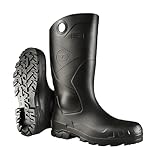
4. DUNLOP Chesapeake Rubber Boots — Best Heavy-Duty Value
This site runs ads and contains Amazon affiliate links that help support my work at no extra cost to you, and I truly appreciate your support!
DUNLOP Chesapeake boots are built more like work boots than fashion rain boots. That makes them a natural fit for muddy runs, manure cleanup, wet bedding removal, and other chores that get messy fast.
The tall PVC construction is easy to rinse after work. You do not have seams or fabric panels holding onto as much dirt and moisture.
These are more utilitarian than stylish, which is exactly why they work well as dedicated coop footwear. Leave them by the poultry area and use them only for bird chores.
- Features: Tall waterproof PVC work boot; plain toe; wide size range.
- Pros: Durable; washable; practical for heavy mess and wet ground.
- Cons: Less cushioned than premium walking boots.
- Best for: Muddy runs, wet bedding, deep cleanouts, and rough daily use.
Check DUNLOP Chesapeake Boots on Amazon
5. TINGLEY Plain-Toe Industrial Boot — Best for Messy Cleaning Days

This site runs ads and contains Amazon affiliate links that help support my work at no extra cost to you, and I truly appreciate your support!
TINGLEY’s plain-toe work boot is a simple option for chores where you expect to get dirty. The tall waterproof shell keeps the lower leg covered while you shovel bedding, wash floors, or work around a wet run.
There is very little on the outside to trap manure or mud. Rinse the tread well, especially after walking through sticky litter.
This style makes more sense for work than long walks. If you spend hours on hard concrete, an added insole may improve comfort.
- Features: Tall waterproof industrial-style boot with plain toe.
- Pros: Easy to hose clean; good leg coverage; practical tread.
- Cons: Basic work-boot comfort rather than sneaker-like cushioning.
- Best for: Full coop cleanouts and wet, messy chores.
Check TINGLEY Work Boots on Amazon
6. Western Chief Women’s Tall Waterproof Rain Boot — Best High-Feedback Tall Rain Boot

This site runs ads and contains Amazon affiliate links that help support my work at no extra cost to you, and I truly appreciate your support!
Western Chief gives you the coverage of a tall rain boot without moving fully into industrial farm footwear. It suits backyard keepers who want one pair for the coop, garden, wet grass, and rainy-day yard work.
The tall shaft helps when the run turns sloppy after a storm. It also keeps damp grass from soaking your pants during early-morning chores.
Patterned or decorative versions can still be practical, but the sole matters more than the print. Check the tread if your coop floor becomes slick when wet.
- Features: Tall waterproof rubber/PVC rain-boot design.
- Pros: Full lower-leg coverage; easy to rinse; broad everyday use.
- Cons: Bulkier than a short boot for quick chores.
- Best for: Wet grass, muddy runs, and general backyard work.
Check Western Chief Tall Rain Boots on Amazon
7. Crocs Bistro Pro LiteRide Clog — Best Dry-Summer Coop Shoe

This site runs ads and contains Amazon affiliate links that help support my work at no extra cost to you, and I truly appreciate your support!
A work clog can be useful in hot weather when the ground is dry and you are only doing light chores. The Bistro Pro is easier to wipe and rinse than ordinary mesh sneakers.
This is not the shoe for deep mud, standing water, or shoveling wet bedding. The open heel and low profile give up too much protection for those jobs.
Keep it as a summer or covered-coop option rather than your only poultry shoe. A separate tall boot is still useful for cleaning days.
- Features: Easy-clean work clog with cushioned footbed and slip-resistant-style outsole.
- Pros: Lightweight; comfortable in warm weather; quick to clean.
- Cons: Low coverage; unsuitable for deep mud and wet litter.
- Best for: Dry summer feeding, egg collection, and quick covered-coop chores.
Check Crocs Bistro Pro LiteRide on Amazon
8. Hunter Original Tall Rain Boot — Best Premium Tall Option

This site runs ads and contains Amazon affiliate links that help support my work at no extra cost to you, and I truly appreciate your support!
The classic Hunter tall boot gives you full-height waterproof coverage with a more refined fit than a basic utility boot. It works well if the same pair will be used for both poultry chores and general wet-weather yard work.
The smooth rubber exterior rinses clean easily, which is important around poultry. Tall coverage also helps when manure, mud, or wash water splashes higher than the ankle.
You pay more for the brand and finish. If the boots will live permanently beside a muddy run, the DUNLOP or TINGLEY options may be more economical.
- Features: Tall waterproof rubber construction with full lower-leg coverage.
- Pros: Comfortable fit; easy-clean surface; good rain protection.
- Cons: Premium price for a dedicated coop-only boot.
- Best for: Keepers who want one premium tall boot for coop and yard use.
Check Hunter Original Tall Boots on Amazon
9. Asgard Women’s Packable Tall Rain Boots — Best Lightweight Tall Boot

This site runs ads and contains Amazon affiliate links that help support my work at no extra cost to you, and I truly appreciate your support!
Asgard’s packable design is lighter and more flexible than a heavy farm boot. That is useful if you only need tall waterproof coverage occasionally.
The flexible shaft also takes less storage space. Keep in mind that a lighter boot usually gives you less structure and support on rough ground.
This is a good backup pair for rainy days rather than the first choice for hours of shoveling or walking across rocky ground.
- Features: Lightweight, flexible, packable tall rain boot.
- Pros: Easy to store; waterproof; less bulky than work boots.
- Cons: Less structured support for long, rough chores.
- Best for: Occasional wet-weather coop work and backup use.
Check Asgard Packable Rain Boots on Amazon
10. CKWLXQY Waterproof Deck and Work Boots — Best Short Farm-Style Option

This site runs ads and contains Amazon affiliate links that help support my work at no extra cost to you, and I truly appreciate your support!
These short waterproof work boots are built for jobs such as fishing, gardening, and farm chores. The ankle-height design is easier to move in than a tall boot while still keeping wet ground away from your feet.
They make sense for a coop with decent drainage where you rarely step into deep mud. The shorter shaft also feels less hot during warm-weather chores.
For heavy rain, standing water, or a sloppy run, choose a taller option. Ankle boots work best when the mess stays below the ankle.
- Features: Waterproof short work/deck boot with outdoor tread.
- Pros: Easy movement; good warm-weather option; washable exterior.
- Cons: Less coverage than mid-calf and tall farm boots.
- Best for: Drained coops, garden paths, and everyday yard chores.
Check CKWLXQY Work Boots on Amazon
Why Dedicated Coop Boots Make Sense
Chicken manure and wet litter can stick deep into shoe tread. Dedicated coop footwear keeps that mess from being tracked onto porches, into vehicles, or through the house.
CDC advises backyard poultry keepers to set aside shoes for poultry care and keep them outside the home. USDA biosecurity guidance also recommends clean, dedicated footwear for people entering poultry areas.
That does not mean you need expensive specialty boots. A simple washable pair reserved for the coop is often enough for a backyard flock.
Tall Boots vs. Short Boots vs. Clogs
Tall Boots
Tall boots are the safest choice for deep mud, rain, snow, heavy bedding removal, and wash-down days. They protect more of your lower leg and keep dirty water from splashing over the top.
Short Boots
Short waterproof boots are more comfortable for quick daily chores. They work best when the run drains well and you rarely stand in deep mud.
Work Clogs
Clogs are useful in dry summer weather or a covered coop. They are easy to put on, but they leave the ankle exposed and are a poor choice for wet litter or standing water.
Look for a Washable Upper
Smooth rubber, PVC, and similar waterproof materials are easiest to clean after poultry chores. Mud and manure wash away much faster than they do from fabric shoes.
If you regularly clean the coop, see the chicken coop cleaning guide for a full routine.
Traction Matters on Wet Litter
Wet bedding, spilled water, smooth concrete, and muddy soil can all become slippery. Look for a tread pattern that gives you several edges and channels rather than a nearly flat sole.
A waterer leak can turn one patch of litter slick very quickly. The updated automatic chicken waterer guide explains how leaks commonly start around cups, valves, and fittings.
How to Clean Coop Boots Properly
Start by scraping or brushing off manure, mud, straw, and other visible debris. Disinfectants work poorly when thick organic material is still stuck in the tread.
Wash the sole and lower boot with water and detergent if needed, then use a disinfectant appropriate for your poultry biosecurity routine and follow its label directions. Let the boots dry before storing them.
University of Maryland Extension makes the same point for footbaths: remove droppings, mud, and debris before using disinfectant. USDA also advises cleaning organic material away before disinfection.
Where Should You Keep Chicken Coop Boots?
Keep them outside the living area or in a dedicated utility space near the poultry zone. A boot tray, covered tote, or small rack helps keep the pair dry and stops dirty soles from touching clean floors.
If you care for separate groups of birds, dedicated footwear for each group can reduce cross-contamination. This is especially useful during quarantine or when one group is sick.
Summer vs. Winter Coop Boots
In summer, heavy insulated boots can become uncomfortable quickly. Short waterproof boots or easy-clean work clogs make more sense when the run is dry.
In winter, room for warm socks matters more than a close summer fit. If snow or slush reaches the coop, a tall insulated boot is usually more practical than a light rain boot.
Cold-weather footwear is only one part of winter care. The winter chicken care guide covers the flock side of the problem.
Do You Need Steel-Toe Boots for a Chicken Coop?
Most backyard keepers do not need a steel toe just for feeding hens or cleaning nest boxes. Waterproofing, grip, fit, and easy cleaning usually matter more.
A protective toe becomes more useful if you regularly move heavy feeders, building materials, fencing, concrete blocks, or farm equipment around the coop.
Do Chicken Coop Boots Help With Biosecurity?
Yes, mainly because they help you separate poultry-area footwear from everyday shoes. Boots and shoes can carry contaminated mud, manure, and organic material from one area to another.
CDC specifically recommends dedicated poultry shoes that stay outside the house. USDA’s Defend the Flock program also recommends dedicated or disinfectable footwear around poultry.
Biosecurity also includes clean tools, hands, clothing, and visitor control. Boots are one part of the routine, not the entire routine.
What to Do With Mud and Manure Around the Coop
Boots are easier to clean when the run itself is managed well. Good drainage, dry bedding, and regular manure removal keep the mess from becoming a permanent layer on every pair of shoes.
For wet or dirty floors, the chicken bedding guide and coop odor-control guide can help you fix the source instead of only cleaning your boots afterward.
Final Verdict
For everyday wet and muddy chores, the Fubotao Mid-Calf Rain Boots give you the best balance of coverage, easy cleaning, and manageable weight.
For rougher cleaning work, the DUNLOP Chesapeake is the more practical heavy-duty value choice.
If you only need something for dry summer chores, the Crocs Bistro Pro LiteRide is easier to wear, but keep a waterproof boot available for wet litter and deep mud.
FAQs About Chicken Coop Boots
What are the best boots for a chicken coop?
Waterproof, washable boots with good traction are the most practical choice. Mid-calf or tall rubber/PVC boots work well for mud and wet litter, while short waterproof boots are comfortable for quick daily chores.
Should I keep separate shoes for my chicken coop?
Yes. CDC recommends setting aside footwear for poultry care and keeping it outside the house. Dedicated coop shoes also make everyday cleanup easier.
Can I wear Crocs in a chicken coop?
Easy-clean work clogs can be useful for dry summer chores or a covered coop. They are not the best choice for deep mud, standing water, wet bedding, or heavy cleanout work.
How do I disinfect chicken coop boots?
Remove manure, mud, bedding, and other visible debris first. Wash the boots, then use an appropriate disinfectant according to its label directions and allow the footwear to dry.
Are tall or short boots better for chicken keepers?
Tall boots give better protection in mud, rain, snow, and during major cleanouts. Short boots are lighter and easier for feeding, egg collection, and quick chores when the ground is reasonably dry.
Do I need insulated boots for a chicken coop?
Insulated boots are useful if you regularly do chores in snow or prolonged freezing weather. In mild weather, an uninsulated waterproof boot is usually lighter and easier to clean.
Do chicken coop boots improve biosecurity?
Dedicated, cleanable footwear can reduce the chance of carrying contaminated mud and manure between poultry areas and your home. Footwear should be part of a wider biosecurity routine that also includes clean hands, clothing, tools, and equipment.
Sources and Further Reading
- CDC — Backyard Poultry: Healthy Pets, Healthy People
- CDC — Backyard Flock Owners: Protect Yourself from Bird Flu
- USDA APHIS — Control What Comes In
- USDA APHIS — Build a Clean Routine
- University of Minnesota Extension — Poultry Biosecurity Basics
- University of Maryland Extension — Footbaths


Thank you Bijaya for your posts. They are informational and to the point.
What are your thoughts on mite control? Ive had 6-8 hens for 3 years with little issues until possibly this spring due to wet/damp spring.
I always out a few teaspoons of vinegar into their water and apply either lime dust or DE around their nesting & dusting areas.
Recently, Two have had messy vent issues & minor loss of feathers but enough to notice issue. No indication of worms in fecal float test done by vet. Both act normal except one doesn’t perch at night and stays in nesting box.
Your advice is very welcome!
Thank you, Sue