Probiotics are live microorganisms added to feed or water to support a balanced gut microbiota. Their effects can vary by strain, product, flock, diet, and management conditions.
Probiotics are live beneficial microbes such as Lactobacillus and Bifidobacterium, which are beneficial in encouraging normal gut flora.
These helpful bacteria essentially take over and crowd out pathogens, aid in nutrient absorption, and provide immunity support.
In practical terms, it means healthy, happy birds; hens producing a plentiful supply of eggs; and chicks that grow fast and don’t get sick.
Also read: Best 21 tips to keep chickens healthy
Probiotics and Chickens’ Gut Health
Probiotic products contain selected microorganisms intended to support the gut microbiota. They do not simply replace every microbe in the intestine, and their benefits depend on the specific strain and product used.
Good gut bacteria, like probiotics, assist in the digestion of carbohydrates and protein, release critical nutrients, and maintain a balanced gut pH.
Probiotics can improve the gut’s ability to break down carbohydrates and release energy.
Some probiotic strains may help support a favorable gut environment, but they are not a substitute for hygiene, sound nutrition, biosecurity, or veterinary diagnosis when birds are ill.
In a very general sense, beneficial bacteria outcompete bad bacteria, so pathogens can’t attach to the gut lining.
Why are probiotics important for chickens?
The gastrointestinal tract (GIT) of the chicken is its major organ for nutrient processing and immune response. A healthy gut means better feed conversion and better disease resistance.
Research indicates that probiotics can greatly benefit the health of chickens.
For example, a University of Guelph study found that feeding probiotics in the diet of chicks in their first week of life stimulated their immune systems and reduced Salmonella bacteria in the gut by over 99%.
Probiotics may be useful during management stress for some flocks, but results are variable. Do not use them as a treatment for illness or as a replacement for veterinary care.
In general, a healthy gut gives hens more energy to produce strong eggs and chicks more energy to grow instead of dealing with infections.
Key Benefits:
Probiotics in chickens (and chicks) can:
- Protect against pathogens through competitive exclusion.
- Enhance digestion and nutrient uptake
- Improve immune response and
- Assist with production characteristics such as egg size and growth.
In practice, good keepers observe differences, including healthier droppings and better appetite and a better immune response whenever quality probiotics are fed.
For example, many users of a liquid poultry probiotic have noted not only well-formed and apparently odorless droppings but also an increase in appetite, weight, and recovery using antibiotics.
Probiotics can be thought of as a natural gut tonic: “beneficial bacteria plus fermented acids” in the diet of your chickens.
When and How Often to Give Probiotics To Chickens
Because probiotics can help maintain balance, they are most beneficial when your birds encounter gut stress. Good times to use probiotics include the following:
Starting chicks:
Newly hatched chicks begin developing their gut microbiota immediately. If you choose a probiotic, use a poultry product and follow its label rather than assuming every chick needs supplementation.
Probiotics are not a guarantee against Salmonella or other disease. Good hatchery practices, sanitation, biosecurity, and veterinary guidance remain essential.
During, before, or after stress or illness:
Whenever any bird experiences stress (e.g., relocating to a new coop, extreme heat, cold snaps, coccidiosis, or respiratory illness after a course of antibiotics or dewormer), the gut flora can be thrown out of balance. Probiotics can be added to prevent dysbiosis and support recovery.
Molting or high production:
Some keepers choose probiotics during periods of stress or diet change. Use the product label to determine whether routine use is appropriate for your flock; more is not necessarily better.
Routine maintenance:
Some keepers give a low dose of probiotics on a daily or weekly basis to promote a healthy gut biome and stay ahead of issues.
How long to continue supplementation?
For baby chicks, many breeders treat the first 1–2 weeks of life (especially during shipping or brooding) with a probiotic-electrolyte water to help them adjust.
Adult birds can get probiotics whenever they might need support—often daily as a water additive or mixed into feed. Remember, consistency is key.
Do not use a universal water-dose rule. Follow the exact product label, because concentration, formulation, and directions vary by brand.
Giving Probiotics: Water, Feed, or Treats?
You can deliver probiotics several ways:
Water:
This method is generally the easiest, because probiotic powder or liquid will dissolve in their waterer, so every bird consumes it.
You can also add electrolytes to the same water for your chicks to replace minerals, as many chick starter kits recommend.
Feed:
You can sprinkle probiotic powder on or mix it into their feed or crumble. Products like Manna Pro All Flock Crumbles come with probiotics already included.
Treats & Grit:
Some mixes have added probiotics to chick grit (i.e.: Manna Pro Chick Grit with Probiotics) or in treats. This will ensure they ingest the bacteria while eating the treats.
Whatever method you use, please consider using clean equipment. Be sure to change the probiotic water or feed every day to prevent spoilage.
If using powders, please keep the powder cool and dry; heat or humidity will kill the live cultures.
Tip: If you mix probiotics in water, set the waterer inside your coop for only a few hours and then refresh it to avoid unwanted fermentation.
Probiotics for Chicks vs Adults
Baby Chicks (0–8 weeks):
Young chicks have immature gastrointestinal systems, so a gentle probiotic blend is typically the best option.
For example, yeast-based products, such as FlockLeader Arrive, or probiotic powders designed specifically for chicks often contain live cultures and are designed uniquely for tiny birds.
You should provide probiotics to day-old chicks and feed them for the first one to two weeks, at least.
If chicks appear weak, develop pasty vents, or stop eating, provide a probiotic/electrolyte mix (the products commonly sold for brooding) to restart their digestion.
Pullets & Layers:
By the time pullets reach 6–8 weeks old, they should switch to adult formulations. Probiotics support growth in pullets and then egg production.
By providing the layer with the right probiotics, in theory, her gut microbiome should be stable. If gut microbiomes are stable, the layer should consistently lay eggs and have fewer ‘off’ periods.
For adult chickens, birds should have access to poultry-wide blends of probiotics (liquid or powder) to support health and egg quality.
Eggs do not have a ‘withdrawal’ time; probiotics simply pass through their systems and help keep the gut healthy.
Broilers (Meat Chickens):
Fast-growing broilers typically receive probiotics to improve feeding efficiency and meat quality. Any good probiotic for poultry will work, provided you do not upset their fast diet.
Because broilers are short-lived, probiotics are often used as a general preventative in their water.
The bacteria strains are typically the same for chicks and hens (most products will state Bacillus, Enterococcus, Lactobacillus, Pediococcus, etc.).
The major difference is that liquid formulations typically contain fermented ingredients (such as herbs, acids, etc.), which may offer additional benefits like increasing the birds’ appetites.
Powder products have a longer shelf life. Use your preference or the preference of your birds: most chickens will readily drink probiotic water or consume probiotic-treated feed.
Natural & Homemade Probiotics for Chickens

Commercial supplements are convenient, but you can boost gut health with simple natural foods too:
Yogurt, buttermilk, fermented foods:
Plain (unsweetened) yogurt or buttermilk will provide some lactobacillus (in moderation), but once again, chickens do not have the enzymes to digest dairy, so it is not the best food to supply.
Too much yogurt can even cause sloppy droppings. A little yogurt in moderation is fine; I would just stick to the probiotic powder.
Fermented Treats:
Take kitchen scraps (fruit peels, leftover cooked rice, grated veggies, etc.) and toss them into a jar of water to ferment.
One to two days later, strain out the liquid and use it to moisten the flock’s feed or water. Fermenting your scraps will pick up wild lactobacilli, which will benefit your flock.
Fermented Feed:
This is one of the easiest DIY methods for your chickens. Just take your normal poultry feed (whole grain or crumbles work especially well), cover it with water in a jar, and let it ferment for 2–3 days.
Stir it daily. Your feed will become slightly sour and bubbly and have good bacteria multiplying in it. You can serve it moist or wet (some people will strain the feed & serve it for a drier texture).
Fermented feed contains live probiotic cultures, which have many more digestible nutrients. The chickens love the moist fermented feed, and they can really put a dent in your feed costs. It can also reduce waste!
Whey or Kefir Water:
Leftover whey from making yogurt or cheese is a rich source of probiotic cultures. Just dilute your whey (or a small amount of kefir) into your water and let the chickens drink it.
Start slowly and don’t make the mistake of using whey all at once (it can turn the water sour). This is basically like an instant probiotic drink!
Furthermore, if we can feed prebiotics, then it should allow the beneficial bacteria to flourish. Prebiotics include foods like ground garlic, onions (a tiny amount), oats, banana peel, or brewer’s yeast.
Prebiotic fibers are not digestible by the chickens but “fed” to their probiotics. In practice, many keepers will treat some plain oats or unsweetened whole-grain cereal.
So, if you want to do it yourself, you can ferment a portion of your feed or add a teaspoon of natural whey each morning for a boost.
Just use basic common sense when introducing these new foods to the birds slowly and watch your flock’s response.
Best Packed Probiotics For Chickens

If you prefer ready-made supplements, many top-rated poultry probiotics are available on Amazon. These are popular choices:
1. FlockLeader Arrive (water supplement for chicks):

As an Amazon Associate I earn from qualifying purchases. This article contains affiliate links. If you buy through these links, I may earn a commission at no extra cost to you.
FlockLeader Arrive is an excellent daily supplement designed specifically for young chickens 0-8 weeks of age. This powdered formulation contains effective probiotics, prebiotics, and plasma to give your flock a healthy start.
One of the strongest features of this product is its ability to create a healthy microbiome, which is critical to building and training the immune system of newly hatched chicks.
Proudly made in the USA, FlockLeader Arrive features a unique drying process that keeps live bacteria alive, ensuring viability through the product’s shelf life.
The addition of prebiotics increases the absorption of nutrients and promotes general well-being, making it one of the finest probiotic supplements for chickens available on the market.
It is also suitable for all types of poultry, thus making your feeding routine much easier. Add a teaspoon to a gallon of water or 2 lbs of feed until chicks are 8 weeks old.
Pros:
- Establishes a healthy microbiome
- Supports immune development
- Made with live bacteria
- Easy to use with water or feed
Cons:
- Flavorless powder may be unappealing
Overall, FlockLeader Arrive is a top choice for proactive chicken keepers looking to enhance their flock’s health.
2. FlockLeader Thrive (water supplement for adult poultry):

As an Amazon Associate I earn from qualifying purchases. This article contains affiliate links. If you buy through these links, I may earn a commission at no extra cost to you.
FlockLeader Thrive is an exclusive daily supplement for poultry 8 weeks and older. Promotes gut health and well-being.
The powder formula combines carefully selected prebiotics and probiotics for chickens to help maintain a healthy microbiome, reduce stress and harmful bacteria, boost immunity, and support egg production.
One of the most notable features is the use of USA-grown, live bacteria, ensuring the viability of the probiotics throughout the shelf life of the product.
FlockLeader Thrive is one of the best probiotics for chickens, with flock keepers reporting significant reductions in fecal odor and improved nutrient utilization.
It has a simple dosing recommendation of one teaspoon per gallon of water or every 4 pounds of feed, making it easy to integrate into your feeding routine. For younger birds, FlockLeader Arrive is the preferred alternative.
Pros:
- Supports immune function
- Reduces stress levels
- Enhances nutrient utilization
- Lowers fecal odor
Cons:
- Powder can be messy
- May require time to see results
Overall, FlockLeader Thrive is a reliable choice for any poultry enthusiast seeking to enhance their flock’s health with probiotics for chickens.
3. Dr. Connie’s Poultry Probiotic & Electrolyte Powder:

As an Amazon Associate I earn from qualifying purchases. This article contains affiliate links. If you buy through these links, I may earn a commission at no extra cost to you.
Dr. Connie’s Probiotic + Electrolyte Powder is a great product to support gut health and hydration for farm animals like chickens, ducks, goats, and other livestock.
This natural, non-toxic blend, created by a veterinarian, contains over 4 billion CFU of live beneficial bacteria per serving, making it one of the best probiotics for chickens and other farm animals.
This powder promotes healthy digestion and helps with hydration during stressful times such as heat, illness, or dietary changes. Simply mix one pouch with fresh water to create up to 500 gallons of probiotic solution.
This guarantees your flock consistent digestive support every day. I like that this formula is free of fillers, antibiotics, and preservatives, making it a safe choice for daily use. Plus you can start it from birth and promote resilience and better growth in chicks and other young animals.
Pros:
- Over 4 billion CFU
- Multi-species use
- Natural, safe formula
- Easy to mix and use
Cons:
- Limited flavor options
Overall, Dr. Connie’s Probiotic + Electrolyte Powder is highly recommended for any livestock owner looking to maintain their animals’ health and productivity.
4. HealthyGut Probiotics for Chickens (Equa Holistics):

As an Amazon Associate I earn from qualifying purchases. This article contains affiliate links. If you buy through these links, I may earn a commission at no extra cost to you.
HealthyGut Probiotics for Chickens Review
Equa Holistics HealthyGut Probiotics for Chickens & Poultry is an all-natural nutritional supplement designed to enhance the digestive health of your flock.
This full-spectrum blend has nine of the most carefully selected species of freeze-dried probiotic bacteria and is one of the best probiotics for chickens on the market. It is dairy-free, so it is suitable for all poultry, including ducks.
For effective digestive support, it’s easy to use; just add one scoop per the specified number of birds daily. Users have seen huge increases in the overall health of their chickens, which is especially beneficial for egg layers who can thrive with enhanced nutrient absorption.
The quality of the ingredients is impressive, meeting human-grade standards, having a non-GMO formulation, and undergoing rigorous testing for purity. The probiotics help digestion and boost the immune system so your birds can live healthier, more productive lives.
Pros:
- Broad-spectrum probiotic blend
- Easy to administer
- Promotes digestive health
- Non-GMO and dairy-free
Cons:
- Flavor may not appeal to all birds
Overall, HealthyGut Probiotics is a fantastic addition to any poultry diet.
5. Manna Pro All-Flock Crumbles (Feed with Probiotics):

As an Amazon Associate I earn from qualifying purchases. This article contains affiliate links. If you buy through these links, I may earn a commission at no extra cost to you.
Manna Pro All Flock Crumbles is a great solution for mixed poultry flocks with a balanced formula containing 16% protein to support chickens, ducks, geese, turkeys, and game birds.
This feed contains live probiotics for chickens to help support healthy digestion and gut balance so your birds can efficiently absorb essential nutrients.
Many poultry keepers have seen huge improvements in overall health and vitality by adding this feed, making it one of the best probiotics for chickens available.
The crumble form is convenient to use and helps to reduce feed waste, so birds of all sizes can eat their meals easily. And of course there are no artificial colours or flavours, making this a clean and trustworthy feed for any responsible poultry keeper.
Pros:
- Complete nutrition for mixed flocks
- Supports digestive health
- Fortified with vitamins and minerals
- Small crumble size reduces waste
Cons:
- Slightly costly
- Availability issues
6. Manna Pro Chick Grit with Probiotics:
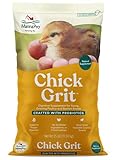
As an Amazon Associate I earn from qualifying purchases. This article contains affiliate links. If you buy through these links, I may earn a commission at no extra cost to you.
Manna Pro Chick Grit with Probiotics is a great digestive supplement designed specifically for young poultry and bantam breeds.
This product is especially beneficial in supporting healthy digestion and nutrient absorption during the critical stages of chick development. This product is free from any artificial ingredients or preservatives, assuring a healthy and nutritious supplement for your chicks.
The crushed granite is small-sized (insoluble), ideal for young birds to grind their food effectively. This not only helps gut health but also enhances overall growth and well-being. Many users have reported that including this grit in their chicks’ diets has significantly improved their chicks’ energy levels and general health.
A key benefit of Manna Pro Chick Grit is that it contains probiotics for chickens, which are important for balanced gut microflora. The product is one of the best probiotics for chickens on the market because it supports proper digestion and promotes natural feeding behaviors, which helps young chicks flourish.
Pros:
- Effective for digestive health
- No artificial ingredients
- Supports overall growth
- Easy for young birds
Cons:
- Limited to younger chicks
7. Brewer’s Yeast + Probiotic Supplements:

As an Amazon Associate I earn from qualifying purchases. This article contains affiliate links. If you buy through these links, I may earn a commission at no extra cost to you.
If you’re a poultry keeper wanting to boost the health and egg quality of your flock, then the Brewer’s Yeast + Probiotics + Niacin + Vitamins Supplement is an excellent option.
It’s a coarse powder & flake blend with a nice nutty smell that chickens & ducks seem to like. This supplement is rich in essential amino acids and is used to help with feather growth and maintenance.
It is especially good during molting seasons. Probiotics for chickens, used with prebiotics and niacin, help to create a healthy and balanced microbiome, which is essential for pathogen prevention.
Happy, healthy chickens and ducks lay strong, thick-shelled eggs with bright yellow yolks. It is one of the best choices for egg production. It’s a great addition to regular feed and is easy to add to your chicken coop routine.
It is a quality product from start to finish because it is made in the USA by a veteran-owned family business.
Pros:
- Supports vibrant feathers
- Enhances egg quality
- Boosts immunity with probiotics
- Made in the USA
Cons:
- Slightly pricey for some
Frequently Asked Questions
Do chickens really need probiotics?
Not really, if they are in a perfect situation (diet and environment). However, most backyard flocks face many stresses: changes in weather, transport (chicks shipped), antibiotics, poor feed storage, etc. which impact gut flora. Purchasing probiotics is an easy insurance policy for gut flora. Probiotics provide balanced digestion and immunity. Probiotics primarily serve chicks and layers and generally do more benefit than harm.
Can baby chicks eat yogurt or other dairy?
Since chickens do not have the enzymes necessary to fully digest lactose, it is recommended to avoid offering dairy to chickens. Giving chickens plain yogurt or buttermilk is not harmful (when given in moderation) and provides some beneficial bacteria; however, too much dairy (as yogurt is dairy) can lead to diarrhea. Most experts with chickens usually recommend specialized poultry probiotics rather than dairy probiotics. If offering yogurt, use only plain, low-fat, unsweetened yogurt! Better yet, offer chicks a chick-specific probiotic in water; you can use electrolytes, if necessary, for hydration.
How long do I give probiotics to chicks?
I usually recommend giving it during the first 1–2 weeks of life, especially for hatchery chicks or in cases of stress. Many breeders would give probiotics (typically with electrolytes) to the drinking water for chicks for at least the first week after hatch. As they develop and grow, they adopt their gut flora. However, you can continue in this way into the grower phase if you would like or can switch to a maintenance dose.
Can baby chicks eat fermented feed?
Yes! Fermented chick starter is fine and healthy. Wild microbes from fermentation can also impart a probiotic effect. Strictly ferment only their starter feed (and no other grains), and introduce it to them gradually. The soak and stir process also creates lactic acid bacteria, which is beneficial. Watch your chicks the first time they have it—most love the moist, sour mash.
Are there any side effects?
Probiotics are very safe to use. I have found very few side effects; in rare instances, too much at once or a contaminated product may upset the gut (we will know this by some minor diarrhea for a day or so). Follow the recommended doses: once things are balanced, it does not help to administer more. Make sure the products are made for poultry. Do not give bacterial supplements that are for use in other livestock.
Should I give electrolytes with probiotics?
For baby chicks, yes, especially in the first 48-72 hours or during hot weather. Electrolytes can replace the salts lost from dehydration. Many chick supplements contain both. Always give fresh treated water with any probiotics + electrolytes if the chicks traveled, were ill, or were heat-stressed. For older hens, usually plain probiotic water is sufficient unless the hen appears to be dehydrated.
Where do I buy chicken probiotics?
Most farm stores (Tractor Supply, feed stores) carry poultry products such as Manna Pro or Durvet probiotics. The Amazon online store carries the brands above and others like Grubbly Farms Prebiotics + Probiotics for Chickens. Always look at reviews and try to choose branded poultry products as opposed to non-specific gut-health products designed for human or pet consumption.
Are there different probiotics for layers and broilers?
Not really. Most probiotics for poultry are labeled “all poultry” or “all flock.” The thing is, they have different nutrient needs, not different microbes. Broilers (meat birds) do well with probiotics that aid in growth and feed efficiency, while layers like strains that help with calcium absorption and immune health. With that, any broad-spectrum poultry probiotic can work for either species; just follow the appropriate dosing and form for the specific species.
Can I make probiotic water at home?
Yes. You can make a very basic “fermented tea” by soaking some raw apple cider vinegar (with the “mother” culture) in water for a day. Bacteria will reproduce in and on the raw apple cider vinegar. Alternatively, use rice or oat water, fermenting overnight to offer some lactic acid bacteria. Even so, these are not accurate methods. If you’re working with a purchased product, stay with the labeled instructions. However, homemade ferments (fermented feed, whey-water) are better than nothing and much more convenient, both for safety and live cultures.
Are there probiotics in regular feed?
Many commercial chicken feeds already incorporate probiotics and/or prebiotics into the formulated ration. So your birds might be getting some of this with every bite, but it could be a small amount. Supplementing with probiotics will ensure they get an effective dose when they need it, such as during stressful periods.
Summary
Adding probiotics to your flock’s diet is an easy yet effective way to improve their overall health and viability.
Probiotics (whether from commercial sources or homemade fermented foods) will help keep a healthy digestive tract.
These probiotics provide beneficial effects in a number of ways—competing with pathogens for space, increasing nutrient uptake and utilization, supporting immunity, etc.—and the end result is healthier birds, better feed conversion, and increased egg production.
Using probiotics has additional benefits in using them to compensate for the stressors associated with starting day-old chicks, illnesses, molting, high production stresses, etc.
Ultimately, a healthy gut supported with probiotics gives you chickens that are healthier, more productive, and more vigorous and is an excellent tool for flock management.