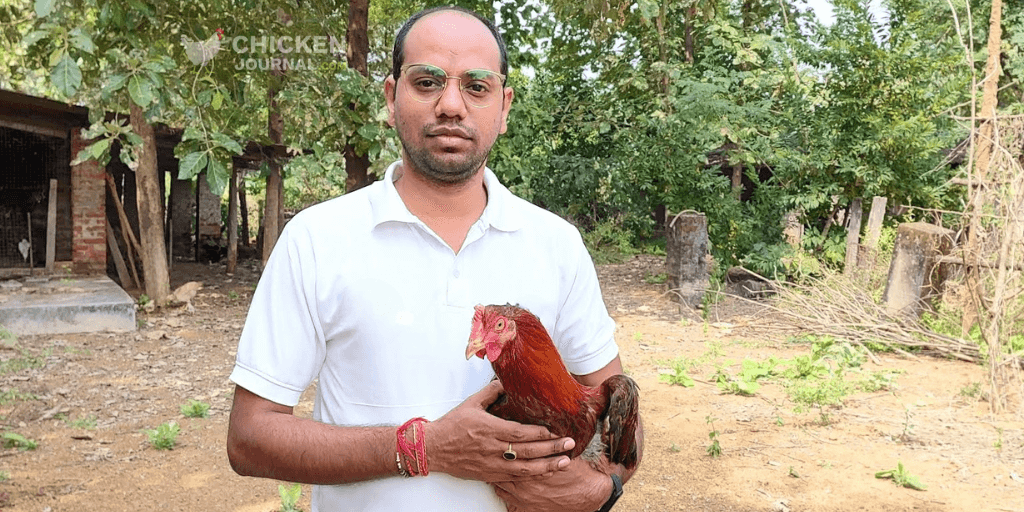

Turkeys and chickens can sometimes live on the same property, but keeping them together is not as simple as putting two poultry species in one run.
The biggest concern is blackhead disease, or histomoniasis. Chickens can carry the cecal-worm cycle involved in spreading the disease while showing little or no serious illness themselves. Turkeys are much more vulnerable, and an outbreak can move through a turkey flock quickly.
That does not mean every chicken-turkey combination will end badly. It does mean you should make the disease risk your first decision point, not an afterthought. In areas where blackhead or cecal worms are a concern, separate housing and separate ground are usually the safer choice.
Can Turkeys and Chickens Live Together?
They can coexist, but the safest answer depends on your ground, local disease history, flock source, parasite pressure, and how much separation you can provide.
If you are raising a few backyard birds and can keep turkeys on ground that has not been heavily used by chickens, that is much safer than putting young poults directly into an old chicken run.
If your property has a known history of blackhead, repeated cecal-worm problems, or unexplained turkey losses, do not treat mixed housing as a normal setup. Ask a poultry veterinarian or diagnostic lab for guidance before adding turkeys.

Blackhead Disease Is the Main Reason to Be Cautious
Blackhead disease is caused by Histomonas meleagridis. Turkeys are especially susceptible, while chickens can carry the infection cycle with much less obvious disease.
The important part for a backyard keeper is how the organism spreads. The cecal worm Heterakis gallinarum can carry Histomonas. Chickens may shed infected cecal-worm eggs into the environment, and those eggs can persist in soil for a long time. Earthworms can also become part of that cycle.
This means an old chicken yard can remain a concern even after the chickens are gone. Simply moving the birds into the same run at different times does not automatically remove the risk.
FDA notes that blackhead can cause very high mortality in turkeys and that there is currently no FDA-approved drug in the United States to prevent, treat, or control the disease.
If a turkey becomes dull, stops eating, droops its wings, loses weight, or passes sulfur-yellow droppings, blackhead is one possibility, but those signs are not diagnostic. A veterinarian or poultry diagnostic lab should confirm the cause.
When Separate Ground Is the Better Choice
Separate housing is especially sensible when you have young turkeys, a history of cecal worms, old chicken ground, or a local blackhead problem.
For the lowest practical risk, keep turkeys away from chicken manure, used chicken litter, contaminated tools, and ground where chickens have spent long periods. Separate boots and equipment help too, especially when one area has had a disease problem.
The same principle applies to your poultry biosecurity routine. A fence between two pens helps with behavior, but it does not help much if you carry contaminated soil and manure back and forth on the same shovel or boots.
They can, but shared pasture is exactly where blackhead prevention becomes difficult.
Chickens scratching through soil, cecal-worm eggs in droppings, and earthworms moving through contaminated ground can all keep the transmission cycle going. Rotating birds onto cleaner ground may reduce exposure, but it does not turn contaminated soil into guaranteed safe soil overnight.
If you do use pasture, avoid overcrowding, move feeders and waterers before the ground becomes heavily fouled, and use the same soil-protection ideas covered in the pasture-raised chicken guide.
Feeding Turkeys and Chickens Together

Turkeys and chickens do not have identical nutritional needs, especially when they are young.
Turkey poults need a diet formulated for turkey growth. In general, turkey starter feeds are higher in protein and are designed around the amino acid and nutrient needs of fast-growing poults. A standard chick starter should not automatically be treated as a substitute.
As birds age, feeding becomes easier, but do not force every bird onto one ration simply because they share a yard. Your best option is often separate feeding stations so young turkeys can get turkey-appropriate feed while chickens get the complete ration suited to their age and production stage.
The same principle applies to protein. The protein needs of chickens change by age and purpose, and turkey requirements change too. There is no single protein percentage that is ideal for every mixed flock.
For laying chicken hens, calcium also matters. Do not feed high-calcium layer ration to poults or growing birds just because the hens are laying. Offer species- and age-appropriate complete feed, and use separate calcium access for laying hens when needed.
Scratch grains, insects, greens, and kitchen scraps can be occasional extras, but they should not replace complete feed.
Poults and Chicks Are Better Brooded Separately
Keeping baby turkeys and chicks in the same brooder may look convenient, but separate brooding makes nutrition and health management much easier.
Poults grow differently, need turkey-specific nutrition, and can be more sensitive to chilling and management errors. Chicks also bring the blackhead concern into the picture once soil and cecal-worm exposure become possible.
If the young birds were purchased from different sources, separate brooding also gives you a better chance to notice disease before it moves between groups.
Housing Turkeys and Chickens

Adult turkeys need more room than chickens. Their bodies are larger, their wingspan is wider, and a mature bird can easily crowd a hen away from a feeder or doorway without being intentionally aggressive.
Avoid relying on one rigid square-foot number. Breed, body size, outdoor access, climate, sex, and housing style all change how much room is comfortable. The practical test is whether each bird can eat, drink, rest, and move away from another bird without being trapped.
If you are still sizing the building, use the chicken space guide as a starting point for the chicken side, then allow substantially more room for the turkeys.
Multiple feeders and waterers are useful in mixed groups. They reduce the chance that one large turkey controls the only food or water source.
Turkey Roosts Are Not Just Taller Chicken Roosts
Heritage turkeys are often strong flyers and may want to roost high. Broad-breasted commercial turkeys are much heavier and less athletic.
That is why a universal “4- to 5-foot turkey roost” is not good advice. A heavy, broad-breasted bird can injure legs or feet when jumping down from a high perch.
Use strong, wide roosts that fit the size and type of turkey you keep. Keep chicken roosts positioned so smaller birds are not constantly pushed aside by turkeys. The same basic principles in the chicken roosting guide still matter, but turkey weight changes the design.
Good coop ventilation is also essential. A larger mixed flock produces more moisture and manure, so do not solve winter drafts by sealing the building tight.
Turkey Hens Need Larger, Lower Nesting Areas
Turkey hens are much larger than chicken hens, so a standard chicken nest box may be cramped or awkward for them.
Give turkey hens a roomy, quiet, low nesting area with dry bedding. Chicken hens can continue using their normal nest boxes.
You do not need an exact turkey-to-chicken nest ratio. Watch where the birds actually want to lay and make sure one large turkey is not blocking several chicken hens from the only available nest area.
Toms, Roosters, and Smaller Hens Need Close Supervision
Do not assume a mature tom is automatically safe with chicken hens just because he seems calm.
A large male turkey can injure a chicken through mounting, chasing, striking, or simply pinning a much smaller bird. Roosters and toms may also become more territorial during breeding season.
Watch for repeated chasing, mounting, pecking around the head, blocked feeders, or chickens hiding to avoid the turkeys. If you see that pattern, separate the problem bird rather than waiting for the flock to sort it out.
The chicken behavior guide can help you recognize normal pecking-order behavior on the chicken side, but cross-species size differences make mixed-flock conflicts more serious.
Introduce Adult Birds Slowly

Behavior introductions should be gradual, but remember that quarantine and blackhead prevention are two different issues.
A newly purchased turkey may look healthy after an observation period and still face blackhead exposure once placed on contaminated chicken ground. Quarantine helps with many infectious diseases, but it does not sterilize your soil.
For behavior, let the groups see each other through a barrier first. Then allow supervised contact in a roomy neutral area with more than one feeder and waterer. Separate any bird that persistently attacks, mounts, or corners another.
Predator Protection Still Matters
Turkeys are not livestock guardians.
They may notice a hawk, dog, fox, or other threat and give an alarm call, but that does not mean they can protect the chicken flock. Large turkeys can be killed by predators too.
Use secure latches, strong fencing, dig protection, and overhead protection where local predators make it necessary. The predator-proof coop guide covers those details.
HPAI Biosecurity Matters for Both Species in 2026
Blackhead is the mixed-flock disease that gets the most attention with turkeys, but it is not the only biosecurity concern.
USDA continues to track highly pathogenic avian influenza in U.S. poultry. Chickens and turkeys can both be affected, so shared equipment, wild-bird access, contaminated surface water, and dirty footwear matter.
Keep feed under cover, use clean drinking water, limit contact with wild birds, and avoid carrying mud or manure between poultry areas. If several birds become suddenly sick or die, especially with severe respiratory or neurologic signs, contact your veterinarian, State Veterinarian, poultry diagnostic lab, or USDA.
Other Diseases Can Affect Mixed Flocks Too
Some respiratory pathogens can spread between poultry species, but susceptibility is not identical for every disease.
That is why broad statements such as “turkeys and chickens share all the same diseases” are not useful. For example, some Mycoplasma species are important in both chickens and turkeys, while others are primarily turkey problems.
If you see coughing, swollen eyes, nasal discharge, lameness, persistent diarrhea, poor growth, or rising mortality, diagnose the problem before treating the whole flock.
Do Not Rely on DE, Apple Cider Vinegar, or Routine Supplements
Diatomaceous earth and apple cider vinegar are not dependable blackhead prevention.
Likewise, routine vitamin supplements do not replace a complete ration, and routine deworming without knowing what parasite is present is not a good flock-health plan.
If internal parasites are a concern, fecal testing and veterinary guidance can help. The chicken wormer guide explains why parasite treatment should be targeted rather than automatic.
Keep the Coop and Run Clean, but Do Not Obsess Over Sterility
Good sanitation reduces disease pressure, but a backyard coop does not need to be sterile.
Focus on dry litter, clean water, manure removal, feeder hygiene, drainage, and keeping wild birds and rodents away from feed. The coop-cleaning guide covers a practical routine without turning normal poultry care into constant disinfection.
Heritage Turkeys vs Broad-Breasted Turkeys in a Mixed Flock
The type of turkey changes how easy the housing side will be.
Heritage varieties such as Bourbon Red, Narragansett, Standard Bronze, Slate, Black, and Royal Palm are generally more athletic and better able to fly and roost than broad-breasted commercial birds.
Broad Breasted White and Broad Breasted Bronze turkeys are bred for rapid meat production. Their larger body size means you need stronger, lower roosts, wider doors, and more floor space as they mature.
Do not assume one turkey variety is automatically “safe” or “aggressive” with chickens. Individual temperament, breeding line, sex, maturity, and space usually tell you more than the variety name alone.
Winter and Summer Care
Both species need shade, fresh water, airflow, and room to move in hot weather. Do not rely on shallow pools as a cooling system for turkeys or chickens. Shade and strong airflow are much more useful.
In winter, keep the shelter dry and ventilated and make sure water stays unfrozen. Cracked corn is not a special heating treatment. Complete feed remains the foundation of the diet in cold weather.
If you use heated waterers or other electrical equipment, keep wiring safe and away from bedding and moisture.
A Practical Mixed-Flock Checklist
- Find out whether blackhead is a local or previous flock problem.
- Keep poults on cleaner ground when possible.
- Avoid moving turkeys onto heavily used chicken soil without considering blackhead risk.
- Feed poults turkey-appropriate starter rather than compromising with chick feed.
- Give adult turkeys more space than chickens.
- Use roosts suited to the weight and type of turkey.
- Provide multiple feeders and waterers when competition develops.
- Watch mature toms closely around chicken hens.
- Use strong predator protection rather than relying on turkeys as guards.
- Keep feed and water protected from wild birds.
- Use targeted parasite control instead of automatic deworming.
- Separate sick birds when appropriate and seek diagnostic help when mortality rises.
Frequently Asked Questions
Is it safe to keep turkeys and chickens in the same coop?
It can work, but blackhead disease makes shared housing and shared ground risky in some areas. If cecal worms or blackhead are present, separate housing and separate ground are safer.
Can chickens give turkeys blackhead disease?
Chickens can help maintain the blackhead transmission cycle because they commonly carry the cecal worm involved in spreading Histomonas meleagridis. Turkeys are much more vulnerable to severe disease.
Can turkeys and chickens eat the same feed?
Young birds should not be forced onto one compromise feed. Poults need turkey-appropriate starter and grower nutrition. Adult feeding can sometimes overlap, but laying hens, growing turkeys, and breeding birds may still need different diets or separate calcium access.
Can turkey poults be raised with chicks?
They can be physically brooded together, but separate brooders are easier for nutrition, health observation, and management. Turkey poults need feed formulated for their growth needs.
Can a tom turkey hurt chicken hens?
Yes. A mature tom is much larger than a chicken hen and can injure her through mounting, chasing, striking, or pinning. Separate the tom if he repeatedly targets chickens.
Does quarantine prevent blackhead disease?
Quarantine helps you watch for many contagious diseases before birds join the flock, but it does not make contaminated soil safe. A healthy-looking turkey can still face blackhead exposure after being placed on ground carrying infected cecal-worm eggs.
Final Thoughts
Turkeys and chickens may get along perfectly well from a behavior standpoint and still be a poor combination from a disease standpoint.
That is why blackhead deserves to come before questions about roost height, feeder placement, or breed choice. If your ground is risky, separation is the better management decision even when the birds appear friendly.
If you do keep both species on the same property, use species-appropriate feed, give turkeys substantially more space, watch mature males closely, strengthen biosecurity, and treat unexplained turkey illness seriously.
A mixed flock can work, but it should be a deliberate choice based on disease risk and management, not simply because chickens and turkeys are both poultry.
Sources
- Merck Veterinary Manual: Histomoniasis in Poultry
- FDA: Blackhead Disease in Poultry
- Penn State Extension: Small-Flock Turkey Production
- Penn State Extension: Brooding of Domestic Fowl
- USDA APHIS: HPAI in Poultry
- Merck Veterinary Manual: Mycoplasma meleagridis Infection
- The Livestock Conservancy: Heritage Turkey Varieties