
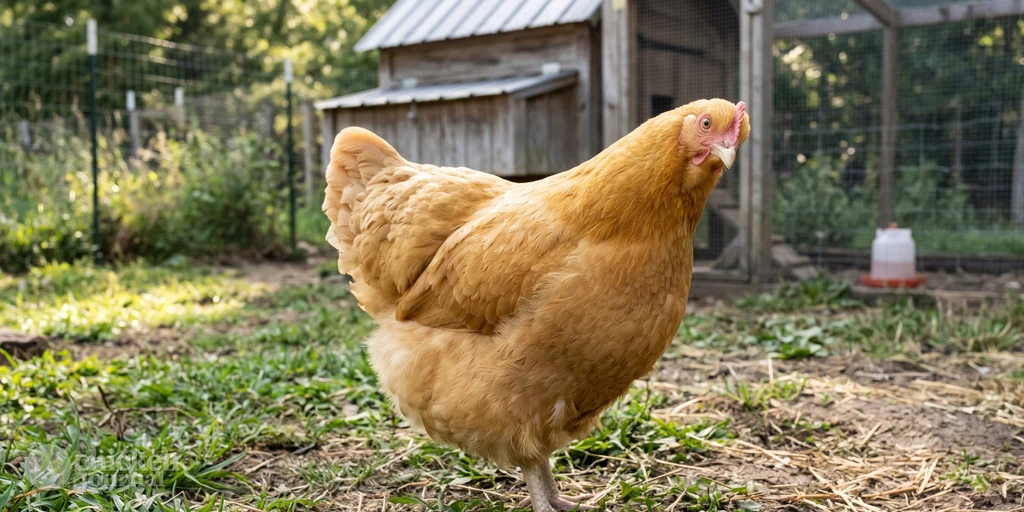
Finding a chicken with its head twisted to one side can be alarming. Your chicken may keep tilting its head, looking upward, or holding its neck in an unnatural position. It may still move around, but in severe cases it can fall over or struggle to reach food and water.
This abnormal posture is commonly called “wry neck” in chickens, or “torticollis.” However, wry neck is not a specific disease. It is a symptom associated with several problems, including nutritional deficiencies, trauma, toxins, and certain infections that affect the nervous system.
Some underlying problems may improve with appropriate treatment and supportive care. Others are serious or life-threatening, especially if multiple chickens show symptoms. It is important to recognize what wry neck looks like, understand its possible causes, and know when to contact a veterinarian.
This guide covers symptoms, possible causes, safe first steps, veterinary diagnosis, treatment options, prevention, and recovery.
Important: Any chicken with newly developed wry neck needs prompt veterinary assessment. If it cannot stand, swallow, or drink; has seizures or breathing difficulty; or several chickens are affected, treat the situation as urgent. See our guide on when to call a veterinarian for a chicken for other emergency warning signs.
What Is Wry Neck in Chickens?
“Wry neck” is a common term used to describe when a chicken has an abnormally twisted, bent, or turned neck. The medical term is torticollis. Chickens can have a head tilt, twisted neck, or appear unable to hold their head in a natural position. Some chickens can also have an unusual head position where they look upwards. This is often referred to as stargazing by backyard keepers.
These abnormal postures can occur when the nervous system or muscles controlling head and neck movement are affected. However, there can be many causes for a chicken to have an abnormal head position. A neurological disorder may twist the neck, while weakness or paralysis may prevent a chicken from holding its head upright.
Is Wry Neck a Disease?
No. Wry neck is a clinical sign, not a diagnosis. A chick can suffer from neurological signs due to a severe vitamin E deficiency. Another chicken may have a similar head position due to trauma, and another chicken may have abnormal neck movements due to an infectious neurological disease. These problems can produce similar symptoms but require different veterinary approaches.
What Does Wry Neck Look Like?
 Share on Pinterest
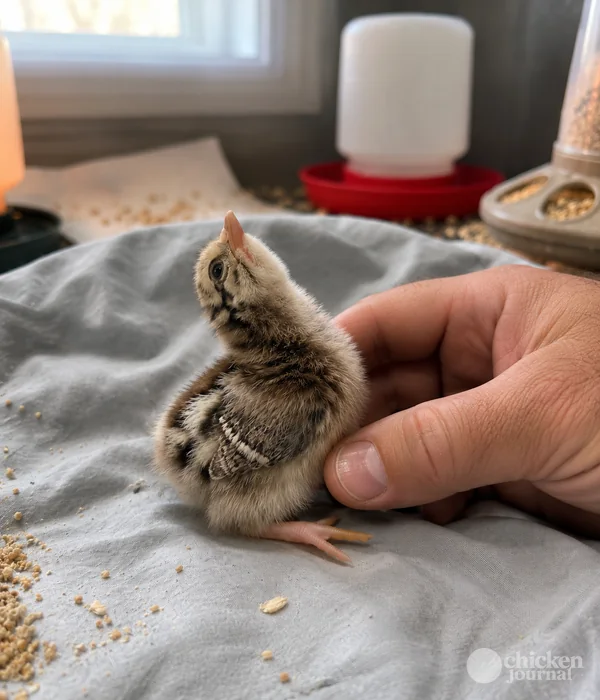
Symptoms range from a mild head tilt to severe loss of coordination. Common signs include:
- Persistent head tilt
- Twisted neck
- Head pulled back or tilted
- Struggling to hold head up
- Constant stargazing
- Lack of coordination
- Walking in circles or awkwardly
- Falling over
- Trembling or unusual head movements
- Struggling to get to food and water
Not all chickens will show all of these symptoms. Some chickens remain alert and try to eat, while others become weak or unable to stand. If the chicken has more general neurological issues they may also show signs of trembling, paralysis or seizures.
If your bird is struggling with balance or is unable to stand then see our article on chicken unable to stand or walk.
Mild vs. Severe Wry Neck Symptoms
| Observation | What it may mean | Recommended action |
|---|---|---|
| Persistent head tilt; still alert | Possible neurological or musculoskeletal problem | Arrange prompt veterinary assessment |
| Twisted neck; difficulty eating | Risk of insufficient food or water intake | Same-day veterinary care |
| Repeated falling or cannot stand | Serious neurological or physical impairment | Urgent veterinary care |
| Tremors or seizures | Significant neurological involvement | Emergency veterinary care |
| Twisted neck with breathing signs or sudden deaths | Possible contagious or reportable disease | Immediately contact a veterinarian or animal health authority |
The severity of the neck posture does not reliably identify the underlying cause. Even a new, persistent mild head tilt warrants veterinary attention.
What Causes Wry Neck in Chickens?
There are several possible causes. Nutritional deficiencies are often discussed among backyard keepers, but infections, trauma, and toxins can cause similar neurological signs.
1. Vitamin E Deficiency
Vitamin E is an essential nutrient which helps protect cells from oxidative damage. It is an important nutrient for normal neurological and muscular function. According to the Merck Veterinary Manual, severe vitamin E deficiency in chicks can cause nutritional encephalomalacia and other disorders.
Nutritional encephalomalacia affects the brain and can cause poor coordination, loss of balance, abnormal posture, and other neurological signs. Affected chicks may stumble, fall, or struggle to control their movements.
However, a twisted neck does not automatically mean they have a vitamin E deficiency. Other neurological diseases can cause similar symptoms. A nutritional problem may be more likely when chickens receive an unbalanced ration or feed that has deteriorated during storage.
If a nutritional deficiency is suspected then your veterinarian may recommend adjusting their ration and supplementing with an appropriate supplement. The outlook depends partly on the extent of neurological damage.
See our article on nutritional deficiencies in chickens for more information on other nutrient related issues.
2. Thiamine (Vitamin B1) Deficiency
Thiamine (vitamin B1) supports normal nerve function and energy metabolism. Severe thiamine deficiency can cause neurological issues. Symptoms can include loss of appetite, weakness, head tremors, lack of coordination and abnormal neck posture.
In more severe cases they may pull their head back and have a characteristic stargazing appearance. The Merck Veterinary Manual describes this posture in chickens with severe thiamine deficiency. However, this does not automatically mean they have a thiamine deficiency.
The bird needs veterinary assessment to determine if they have a deficiency or another neurological issue.
3. Selenium Deficiency & Unbalanced Diet
Selenium is an important trace mineral involved in antioxidant protection and other important bodily functions. It is closely linked to vitamin E metabolism. Some poultry disorders involve deficiencies of vitamin E, selenium, or both. A twisted neck, however, does not establish a selenium deficiency.
Selenium deficiency in growing chickens is more commonly associated with issues such as exudative diathesis. Do not assume that all chickens with wry neck will need selenium. Too much selenium can be toxic, so concentrated supplementation without checking the existing ration may create additional problems.
Your veterinarian can help determine if they need to be supplemented.
4. Head and Neck Injuries
 Share on Pinterest
An injury can cause abnormal neck positioning. Chickens can injure themselves by:
- Colliding with equipment in the coop
- Falling from a high perch
- Being attacked by another chicken/predator
- Getting stuck in fencing
- Rough handling or an accident
Injuries to the head, neck, spine or surrounding areas may cause them to struggle with movement. You may notice swelling, abnormal posture, lack of coordination or struggling to walk. However, they may have an injury without an obvious wound.
If you think they have an injury then do not attempt to straighten their neck. Too much handling may cause further injury. Ensure they are kept safe from falling and see a veterinarian.
5. Newcastle Disease
Newcastle disease is an important infectious disease in poultry. Virulent Newcastle disease can cause severe illness and substantial flock losses. Neurological signs can include trembling, paralysis, circling, lack of coordination and torticollis.
Some chickens may also show respiratory issues or green diarrhea. These signs are not unique to Newcastle disease; laboratory testing is needed for confirmation. A twisted neck alone does not mean that a chicken has Newcastle disease.
If multiple chickens are showing neurological signs or they are showing signs of breathing issues, diarrhea or sudden deaths then this can be a concern. There is no specific cure for virulent Newcastle disease.
If you suspect they have this disease then contact a veterinarian or animal health as soon as possible.
6. Highly Pathogenic Avian Influenza (Bird Flu)
Highly pathogenic avian influenza (HPAI) is another serious disease that can affect backyard chickens. The USDA lists twisting of the head and neck as a possible sign of serious poultry illness, including avian influenza. Other signs can include:
- Sudden or unexplained death
- Lack of energy/appetite
- Breathing issues
- Swelling around the head/eyes
- Purple comb/wattles
- Stumbling/falling
- diarrhea
- Reduced egg laying
These can vary and not all chickens will show all of these symptoms. If they are showing abnormal neck movements and sudden illness in multiple chickens then you must consider a serious infectious disease. If you suspect they have avian influenza then limit contact with them. Do not move them off the property without official guidance and contact your state animal health or USDA as soon as possible.
In the United States, report sick birds to your state veterinarian or USDA at 1-866-536-7593. Do not attempt to diagnose bird flu.
7. Marek’s Disease
Marek’s disease is a contagious viral disease that can affect nerves and other tissues in chickens. Leg weakness or paralysis is an important clinical sign. Some chickens will also show lack of coordination or other neurological issues.
Although Marek’s disease is an important possibility in some neurological cases, an isolated twisted neck is not enough to diagnose it. Diagnosis can be based on the chicken’s age, vaccination history, physical examination, lab testing and in some cases tissue testing.
There is no treatment to eliminate the infection. Vaccination is an important prevention method, particularly in young chicks.
8. Avian Encephalomyelitis
Avian Encephalomyelitis is a viral disease that affects the neurological system, particularly in young chickens. It is sometimes referred to as epidemic tremor. Chicks can show fine tremors, lack of coordination, weakness or struggling to stand.
These signs can resemble other neurological diseases and nutritional deficiencies. This will need to be diagnosed by a veterinarian. There is no specific cure for this infection. Prevention in breeding and commercial flocks relies heavily on correct vaccination programs.
9. Toxins
Some toxins can affect the normal function of nerves and muscles in chickens. Possible sources include contaminated feed, chemicals, or other toxins in the environment. Botulism is one important toxic disorder to consider.
This can cause progressive weakness and paralysis including an inability to hold their neck up. This is sometimes referred to as limberneck. However, limberneck generally causes a weak, drooping neck rather than the twisting seen in torticollis.
A chicken with botulism may have a drooping, weak neck. Both can be serious. If you think they have been poisoned then remove them from the source without disturbing any evidence and contact a veterinarian.
When Is Wry Neck an Emergency?
Any new persistent neurological signs needs veterinary assessment as soon as possible. If your chicken is:
- Unable to stand
- Unable to swallow safely or get to water
- Having seizures or severe repeated tremors
- Deteriorating quickly
- Having breathing issues
- Very weak/unresponsive
- Suffering from a serious head and neck injury
Also seek urgent advice if several chickens develop similar symptoms or unexplained deaths occur. This is especially important when neurological signs occur alongside breathing difficulties or sudden changes in egg production.
Tell the veterinarian if affected birds are also sneezing or coughing. Changes in droppings can also provide useful clues. See our chicken poop guide for common patterns and warning signs.
What to Do Immediately if Your Chicken Has Wry Neck
While arranging veterinary care, you can take several steps to reduce stress and prevent further injury. These steps are supportive care, not a substitute for diagnosis.
1. Isolate the Chicken
If it can be done safely then move the chicken to a quiet and secure area. Use clean bedding and remove high perches or anything they could fall from. Choose somewhere that will limit their unnecessary movement but allow them to rest comfortably.
This will also help to prevent other chickens from bullying or pecking at a weak chicken. If they have been bullied then see our article on chickens bullying a sick member of the flock. If you suspect they have a serious contagious disease then contact your veterinarian or animal health before moving any birds or equipment.
2. Keep Them Comfortable
Place them in a quiet, sheltered area with good ventilation. Avoid drafts, extreme heat and unnecessary disturbance. Young chicks will have different temperature requirements so ensure they are in a correctly managed brooder if they are a chick and need extra heat.
If they are falling over a lot then provide them with soft bedding and a low-risk environment. Do not restrain them in a homemade harness or force their neck into a position.
3. Provide food and water
Some chickens with wry neck will still want to eat but will struggle to coordinate their head to reach the feeder. Provide them with suitable food and a stable shallow water container that they can easily reach.
Monitor if they are able to swallow. Do not force-feed or syringe water into a bird with impaired swallowing, because food or liquid may enter the respiratory tract. If the bird cannot swallow or drink safely, contact a veterinarian urgently for appropriate fluid and nutritional support.
4. Check Their Feed
Consider what they have been eating.
- Is it a complete feed for their age?
- Has it been stored correctly?
- Is the bag old?
- Has it gone moldy or has an unusual smell?
- Have they been fed too many treats/scratch grains?
- Have you recently changed the brand/feed?
See our complete guide on feeding chickens for why it is important to feed them a properly formulated feed. If you find moldy or contaminated feed then stop feeding it to them. See our guides on best chicken feed storage containers and chicken feed with bugs for more information.
5. Check the Rest of the Flock
Check the rest of your chickens for:
- Abnormal head and neck movements
- Weakness or struggling to walk
- Loss of appetite
- Respiratory signs
- Abnormal droppings
- Sudden behavioral changes
- Unexpected deaths
An individual bird may have an injury or nutritional problem, but a single sick chicken does not rule out an infection. If several chickens develop similar signs, contact your veterinarian and animal health authorities immediately.
6. Take a Short Video
If possible take a short video of their posture and movement. Note when the symptoms started, how they have changed, their age, any recent injuries, their feed and if other chickens are affected. This can help your veterinarian narrow down the cause.
7. Contact a veterinarian
A twisted neck should not be treated as a minor issue that can be monitored for a few days. Contact a veterinarian promptly for advice. If they are deteriorating or showing severe neurological signs then arrange for them to be seen urgently.
How Do Veterinarians Diagnose Wry Neck?
 Share on Pinterest
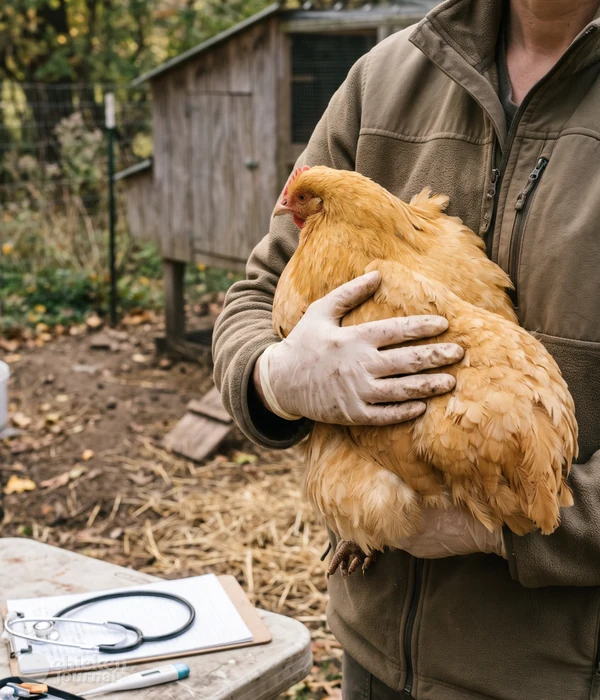
The veterinarian will try to identify the underlying problem rather than treating the neck posture alone. The assessment may include:
Medical and Flock History
They may ask:
- Age and breed of the chicken
- How long the symptoms have been present
- Have they had any recent injuries or attacks from predators?
- Have they been vaccinated?
- What is in their feed? Is it stored correctly?
- Have they been given any supplements or medications?
- Have they had any new birds added recently?
- Are there any sick or dead chickens in the flock?
This information helps distinguish an individual problem from an illness affecting the flock.
Physical and Neurological Examination
They may check the chicken for: Posture, balance, alertness, their ability to walk, and overall condition. They may check their head, neck, eyes and other areas for signs of injury or disease. If your chicken is also limping, see our chicken limping guide for other possible causes.
Diagnostic Tests
Depending on the symptoms and possible causes, the veterinarian may recommend diagnostic tests. Testing may investigate infectious diseases, nutritional problems, or other suspected conditions. If a chicken dies and the cause is unknown, a veterinarian may recommend a necropsy at a poultry diagnostic laboratory.
This can be particularly useful if multiple birds are affected or if there is a suspicion of a severe infectious disease. Do not transport a bird suspected of having a reportable disease without following veterinary and animal health authority instructions.
Wry Neck Treatment in Chickens
There is no single treatment for every chicken with wry neck. The treatment depends on the diagnosis and severity of the problem.
Treating Nutritional Deficiencies
If a nutritional deficiency is suspected or confirmed, a veterinarian may recommend correcting the diet and using an appropriate nutrient supplement. For example, if there is a suspicion of nutritional encephalomalacia, adding a vitamin E supplement may be considered.
If there is a confirmation or strong suspicion of a vitamin B1 deficiency, adding a thiamine supplement may be appropriate. Supplementation should follow professional guidance. Do not combine multiple vitamin products without checking their ingredients.
Some may contain selenium and other nutrients which can be harmful in high amounts. Our chicken vitamins and supplements guide discusses available formulations. Supplements are not an automatic treatment for neurological disease.
Treatment After an Injury
If there is a suspicion of trauma, the veterinarian may want to check for damage to the neck, head, spine and surrounding areas. The treatment depends on the severity and type of trauma. This may include appropriate pain relief and supportive care.
Do not try to vigorously massage the neck or force it back into a normal position.
Treatment for Infectious Diseases
Treatment depends on the organism involved. Some conditions do not have a specific treatment to cure them. There is no specific curative treatment for virulent Newcastle disease, Marek’s disease, or avian encephalomyelitis.
In some cases, supportive care may be appropriate but controlling disease in the flock and following veterinary guidance is essential. Antibiotics are not a general treatment for wry neck and do not cure viral infections.
If you suspect a reportable disease, follow the guidance from your veterinarian and animal health authorities.
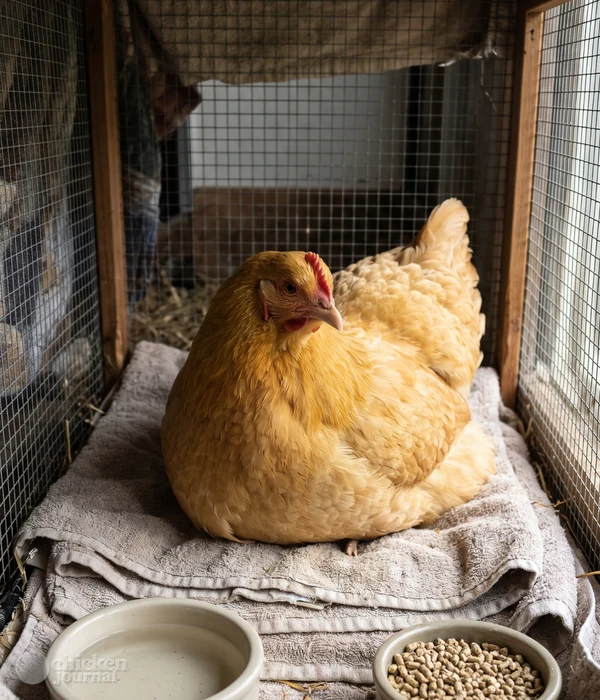
Supportive Care During Recovery
 Share on Pinterest
Depending on the cause, the chicken may need some supportive care to make them as comfortable as possible and prevent injury. This may include:
- A secure environment with safe bedding
- Easy access to the right food and water if they are able to swallow
- Protection from aggressive members of the flock
- Correct temperature and ventilation
- Monitoring their food and water intake
- Following any veterinary treatment
- Monitoring any changes in balance, posture and activity
A chicken unable to eat, drink, or maintain a functional posture needs prompt professional care.
Can Vitamin E Cure Wry Neck in Chickens?
Not always. When a veterinarian identifies a genuine vitamin E deficiency, appropriate supplementation may be important, especially when the nervous system is involved. Vitamin E will not cure a viral disease, repair an injury, or reverse every form of neurological damage.
The Merck Veterinary Manual notes that recovery from nutritional encephalomalacia depends partly on how much damage has occurred. Some nutritional disorders can be treated with the right supplement but others can cause permanent damage. This means it can be risky to assume all chickens with twisted necks just need vitamins.
Even if the chicken improves while receiving a supplement, that alone does not confirm the original cause.
Should You Give Selenium for Wry Neck?
Only if advised to. Selenium is an important nutrient for healthy poultry but only a small amount is required. It will already be included in properly formulated commercial feeds. Extra selenium may not be required.
Too much can be harmful and you may cause an imbalance if you don’t know how much they are currently getting from their diet. Avoid using high-strength selenium products or combining multiple mineral supplements without veterinary or poultry nutrition guidance.
How Long Does Wry Neck Take to Heal?
There is no reliable answer to this. The prognosis depends on:
- The cause
- How long they have had the symptoms
- If it is a progressive disease
- How severe the neurological damage is
- If they can eat and drink
- How effective the treatment is
Some chickens with treatable nutritional issues or minor trauma may improve with the right care. However, others may have ongoing neurological issues. Those with severe infections, severe neurological damage or progressive paralysis may have a poor prognosis.
Don’t assume they will recover in a set time frame such as 3 days, 1 week or 2 weeks. A veterinarian can give a more meaningful prognosis after assessing the chicken.
Can a Chicken Live Normally After Wry Neck?
Some chickens recover enough to resume normal activities, but recovery is not guaranteed. If they improve, they should still be monitored to ensure they can:
- Hold their head in a functional position
- Walk and balance without falling
- Eat and drink on their own
- Maintain a good body condition
- Interact with other chickens safely
Those with ongoing issues with their coordination may be more prone to injury or bullying. If they have ongoing issues with eating, drinking and/or moving, talk to a veterinarian about their long-term welfare. If they have severe issues and aren’t likely to recover, you may need to consider humane euthanasia under professional guidance.
How to Prevent Wry Neck in Chickens
Not every cause can be prevented, but appropriate feeding, flock management, and biosecurity can reduce several important risks.
1. Feed a Complete, Age-Appropriate Diet
Ensure they are being fed an appropriate diet for their life stage. Chicks, growing chickens and laying hens all have different nutritional requirements. Avoid feeding them heavily on scratch and treats.
2. Store Chicken Feed Correctly
Ensure feed is kept dry, cool, away from rodents and contamination. If the feed goes moldy, rancid or becomes unsafe, discard. Don’t assume old or damaged feed is okay for them to eat.
3. Provide Safe Conditions for Young Chicks
Ensure they have safe conditions in their brooder, they are being fed the right diet and have an appropriate equipment. Check regularly for any signs of weakness, lack of coordination or difficulty accessing food and water.
See our baby chick raising guide for guidance on setting up a safe brooder.
4. Reduce the Risk of Injury
Check the coop for sharp edges, loose fencing, unsafe perches and other hazards. Ensure they have enough space and the right roosting. Monitor for any aggressive interactions between flock members and injuries from predators.
5. Practice Good Biosecurity
New chickens, contaminated equipment, footwear and contact with infected wildlife can all introduce infectious diseases into your backyard flock. Take practical steps to reduce the risk of disease. Limit unnecessary visitors, manage new additions and clean equipment.
See our chicken biosecurity guide for practical flock protection tips.
6. Keep the Coop Clean
Remove any built-up manure, wet bedding and other contamination. Ensure feeders and drinkers are kept clean and there is good ventilation. See our chicken coop cleaning guide for safe cleaning steps.
7. Watch for Early Signs of Illness
Sometimes chickens will show subtle changes before becoming seriously unwell. They may become less active, have a poor appetite or constantly hunch. See our guide to a chicken that is fluffed up, hunched, and not moving to understand why this can be a warning sign.
Recognizing early warning signs makes it easier to seek veterinary advice promptly.
Frequently Asked Questions
Is Wry Neck Contagious in Chickens?
Wry neck itself isn’t contagious as it is a symptom. However, some of the underlying causes can be contagious such as Newcastle disease. Until you know the cause, take sensible precautions and follow your veterinarian’s advice.
Can Chickens Suddenly Develop Wry Neck?
Yes. They may appear fine and then suddenly develop a twisted neck or lack of coordination. There are several reasons why this can happen suddenly. Urgent assessment should be sought.
Can Baby Chicks Get Wry Neck?
Yes. Young chicks can develop twisted necks and neurological signs. Possible causes may include nutritional deficiencies and avian encephalomyelitis. However, there are many other possible causes. The chick needs veterinary assessment urgently, especially if they can’t eat, drink or stand.
Can Adult Chickens Develop Wry Neck?
Yes. While neurological issues due to nutritional deficiencies are often discussed in chicks, adult chickens can develop twisted necks. Possible causes include trauma, nutritional issues, toxins and infectious disease. While age can help with diagnosis, it won’t tell you the cause.
Does Wry Neck Always Mean Vitamin E Deficiency?
No. While this may be a cause, there are many other causes which can cause similar symptoms. Do not diagnose based on the head position.
Can Stress Cause Wry Neck?
While stress can affect the general health and behavior of your chicken, don’t just blame it for them having a twisted neck. If they have torticollis they should be assessed for neurological, nutritional, infectious, traumatic or toxic causes.
Is Stargazing the Same as Wry Neck?
Sometimes these terms are used interchangeably by backyard chicken keepers. Generally wry neck refers to a twisted neck. Stargazing usually refers to a chicken holding their head back or looking upwards. There are many causes of these presentations including severe thiamine deficiency and other neurological issues.
Is Wry Neck the Same as Limberneck?
No. Limberneck is commonly associated with botulism. It refers to weakness/paralysis causing the neck to be unable to support the head. Torticollis refers to a twisted neck. Both require veterinary attention and can be difficult to differentiate without examining the chicken.
Should I Massage My Chicken’s Neck?
Do not try to vigorously massage or force their neck into a normal position. If they have an injury or neurological issue this can make the issue worse. Ask your veterinarian before trying any physical treatment.
Should I Give My Chicken Antibiotics?
Not necessarily. There are many causes of wry neck and antibiotics won’t help with viral infections or nutritional deficiencies. Ask your veterinarian if an antimicrobial treatment is appropriate.
Can Chickens Recover Without Treatment?
In some cases they may recover. However, you can’t tell based on the neck alone. Some causes will progress quickly or be life threatening. As neurological signs can indicate serious disease, don’t delay seeking professional assessment.
When Should I Contact Animal Health Authorities?
If you suspect they have avian influenza, virulent Newcastle disease or another reportable disease contact your veterinarian or animal health immediately. Red flags include multiple birds affected, sudden deaths, respiratory distress and quick spread of disease. In the United States, report sick birds to your state veterinarian or USDA at 1-866-536-7593.
Final Verdict: What Should You Do If Your Chicken Has Wry Neck?
It can be worrying to see a chicken with a twisted neck. The most important thing to remember is to not assume you know the cause.
If you notice a new or worsening twisted-neck posture, provide a safe, quiet environment and contact a veterinarian promptly. Do not force the neck into position, syringe-feed a bird that cannot swallow safely, or assume vitamins will cure every cause. When multiple birds become sick, sudden deaths occur, or avian influenza or Newcastle disease is suspected, contact your veterinarian and animal health authority immediately.
The best approach is to identify the cause, provide safe supportive care, and follow treatment based on a veterinary diagnosis.
Research and Sources
This article draws on veterinary references and official poultry-health guidance. Wry neck is a clinical sign; no single supplement or home remedy is suitable for every case.
- Merck Veterinary Manual — Vitamin Deficiencies in Poultry
- Merck Veterinary Manual — Mineral Deficiencies in Poultry
- Merck Veterinary Manual — Newcastle Disease in Poultry
- USDA APHIS — How to Spot Sickness
- USDA APHIS — Avian Influenza
- Merck Veterinary Manual — Marek’s Disease in Poultry
- Merck Veterinary Manual — Avian Encephalomyelitis
- Merck Veterinary Manual — Botulism in Poultry
- USDA APHIS — Biosecurity Basics
Editorial note: This article is intended for education, not a substitute for a veterinary diagnosis. New or worsening neurological signs need prompt professional advice. Suspected reportable poultry diseases should be reported to the appropriate authorities.
