

A chicken coop can start to look tired long before the building itself is ready for the scrap heap. Sunlight fades the siding, rain scuffs any exposed wood, muddy hands mark the door, and dusty interior walls can be harder to keep clean.
The right paint can brighten up your coop, but it can also help protect the surfaces you touch every day.
What is important is to select the proper coating for the job. Weather protection is needed for your exterior siding. Your inside walls need a washable finish.
Your coop door gets handled and scraped a lot more than a wall. Covered wood may stain better than bare wood, and metal parts will need a coating made for that metal.
Here are 10 paints and finishes that are right for those real chicken coop jobs. Each one is paired with the part of your coop that it makes the most sense for, plus the limitations you should know about before you open the can.
Paint can be a protective coating and make maintenance easier but should never be a substitute for cleaning, ventilation or proper surface preparation.
Quick Comparison: Best Paints and Finishes for Chicken Coops
| Product | Type | Best Use | Amazon |
|---|---|---|---|
| KILZ Siding, Fence & Barn Paint | Exterior oil-latex paint | Exterior wood walls and siding | Check |
| Rust-Oleum Painter’s Touch Ultra Cover | Water-based multi-surface paint | Wood, metal, trim, smaller projects | Check |
| Modern Masters Front Door Paint | Water-based enamel | Coop doors and trim | Check |
| Zinsser PERMA-WHITE Interior Paint | Water-based interior paint | Washable interior walls and ceilings | Check |
| Ready Seal Exterior Wood Stain & Sealer | Oil-based penetrating stain | Bare exterior wood | Check |
| General Finishes Exterior 450 Topcoat | Water-based clear topcoat | Clear protection on vertical wood surfaces | Check |
| Montage Signature Interior/Exterior Paint | Water-based architectural paint | Large coops and sheds | Check |
| Rust-Oleum Stops Rust Protective Enamel | Oil-based enamel | Suitable non-galvanized metal parts | Check |
| Heirloom Traditions ALL-IN-ONE Paint | Acrylic all-in-one paint | Doors, trim, decorative projects | Check |
| THE ONE Paint & Primer | Water-based multi-surface paint | Small projects and touch-ups | Check |
Paint formulas, colors, package sizes, and availability can change. Always read the current product label and technical instructions before using a coating around an animal enclosure.
10 Best Paints and Finishes for Chicken Coops
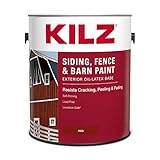
1. KILZ Siding, Fence & Barn Paint — Best Overall for Exterior Coop Wood
As an Amazon Associate I earn from qualifying purchases. This article contains affiliate links. If you buy through these links, I may earn a commission at no extra cost to you.
This is the most directly relevant product in the list for a traditional wooden chicken coop. KILZ makes it for exterior vertical wood surfaces such as siding and fences, and the current technical data sheet specifically states that the dry paint film will not harm livestock.
That statement applies to the dry film, not to wet paint or fumes. For your coop, move the chickens out before prep begins, keep fresh air moving while you paint, and let the coating dry properly before the flock returns. KILZ also warns that cooler or humid weather can extend drying time.
- Features: Exterior oil-latex formula; designed for vertical wood; resists cracking, peeling, and blistering.
- Pros: Barn-specific use case; strong fit for plywood and wood siding; manufacturer livestock statement for the dry film.
- Cons: Exterior use only; not a shortcut around surface preparation.
- Best for: Wooden coop walls, siding, and other properly prepared exterior vertical wood.
Check KILZ Siding, Fence & Barn Paint on Amazon
2. Rust-Oleum Painter’s Touch Ultra Cover Brush-On Paint — Best General-Purpose Water-Based Option
If you are repainting only a small section of your coop, a gallon of barn paint can be unnecessary. Painter’s Touch Ultra Cover works on wood, metal, plaster, masonry, and unglazed ceramic, so it fits jobs such as your trim boards, a small access door, a removable panel, or another properly prepared surface.
For your coop, surface prep matters as much as the paint itself. Rust-Oleum recommends priming bare wood and bare metal for the best result. If you roll it over dusty boards, loose old coating, grease, or rust, even a good paint can fail early.
- Features: Multi-surface brush-on coating; indoor/outdoor use; durable finish.
- Pros: Useful for mixed-material projects; practical quart-size option.
- Cons: Bare wood and metal may need primer; not specifically formulated for poultry housing.
- Best for: Trim, small doors, wood details, and properly prepared non-feed-contact surfaces.
Check Rust-Oleum Painter’s Touch on Amazon
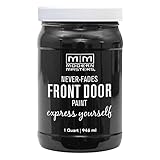
3. Modern Masters Front Door Paint — Best for Coop Doors and Trim
As an Amazon Associate I earn from qualifying purchases. This article contains affiliate links. If you buy through these links, I may earn a commission at no extra cost to you.
The pop door or main access door usually takes more abuse than a decorative wall. It gets handled, scraped, exposed to weather, and opened in damp conditions. Modern Masters Front Door Paint is a water-based enamel made for wood and metal doors, so its intended use matches that job better than a chalk-style decorative paint.
This makes the most sense when your coop door or trim needs a durable color finish. It is less logical as a whole-interior wall paint. Keep your birds away while you apply it and while the fresh-paint odor remains.
- Features: Water-based enamel; intended for doors; suitable for wood and metal.
- Pros: Good match for high-visibility doors and trim; many color choices.
- Cons: More specialized than a broad barn paint.
- Best for: Main coop doors, pop-door surrounds, and decorative trim.
Check Modern Masters Front Door Paint on Amazon
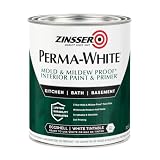
4. Zinsser PERMA-WHITE Interior Paint — Best Washable Interior Wall Paint
As an Amazon Associate I earn from qualifying purchases. This article contains affiliate links. If you buy through these links, I may earn a commission at no extra cost to you.
Inside your coop, cleanability usually matters more than a fancy finish. Zinsser PERMA-WHITE is a water-based, low-odor interior coating designed for moisture-prone spaces. Rust-Oleum describes the finish as washable, scrubbable, stain-resistant, and moisture-resistant.
If your interior walls are sound but difficult to wipe clean, this type of finish is more practical than a decorative chalk paint. The mold-and-mildew claim applies to the paint film; it does not mean the product disinfects a dirty coop or fixes moisture problems. If your coop stays wet or stuffy, ventilation and drainage still need attention first.
- Features: Water-based; low odor; washable and scrubbable; intended for interior moisture-prone areas.
- Pros: Easier-clean interior finish; good for walls and ceilings.
- Cons: Interior product; not a disinfectant; not specifically labeled as poultry paint.
- Best for: Interior wall and ceiling surfaces after proper preparation.
Check Zinsser PERMA-WHITE on Amazon
5. Ready Seal Exterior Wood Stain & Sealer — Best for Bare Exterior Wood

As an Amazon Associate I earn from qualifying purchases. This article contains affiliate links. If you buy through these links, I may earn a commission at no extra cost to you.
If your coop is built from attractive bare wood, covering all of that grain with opaque paint may not be what you want. A penetrating exterior stain can protect the surface while keeping more of the natural wood look visible.
Ready Seal is an oil-based stain-and-sealer product for exterior wood. It is aimed at surfaces such as fences and siding. The important limitation is surface condition: penetrating stains need wood they can actually soak into. Old paint, a film-forming coating, or incompatible sealer can stop that from happening.
- Features: Semi-transparent oil-based exterior wood stain and sealer.
- Pros: Preserves the wood look; useful for exterior siding and fences.
- Cons: Not the right choice over intact paint; oil-based products require careful ventilation and drying.
- Best for: New or properly prepared bare exterior coop wood.
6. General Finishes Exterior 450 Topcoat — Best Clear Protective Finish

As an Amazon Associate I earn from qualifying purchases. This article contains affiliate links. If you buy through these links, I may earn a commission at no extra cost to you.
If you already like the stain or darker paint on your coop, you may not want to cover it with another color. Exterior 450 is a clear, water-based topcoat for vertical exterior surfaces such as doors and fences, so it can add a protective film while keeping the finish underneath visible.
There are limits. General Finishes specifically says it is not a deck finish, and the company warns that a clear topcoat over white or very light paint can yellow. If your coop is white or very pale, do not assume “clear” means the appearance will stay unchanged.
- Features: Water-based clear exterior topcoat; UV absorbers; intended for vertical surfaces.
- Pros: Keeps the underlying stain or darker paint visible; suitable for doors and fences.
- Cons: Not for decks; may yellow over white or light paint.
- Best for: Vertical stained wood, doors, trim, and darker painted surfaces where a clear finish is wanted.
Check General Finishes Exterior 450 on Amazon
7. Montage Signature Interior/Exterior Paint — Best for a Larger Coop or Shed

As an Amazon Associate I earn from qualifying purchases. This article contains affiliate links. If you buy through these links, I may earn a commission at no extra cost to you.
If you have a walk-in coop or a larger poultry shed, small cans disappear quickly. Montage Signature is sold as an interior/exterior water-based architectural paint, so its main advantage for your coop is covering a larger wall area without buying several small containers.
This type of paint makes more sense when your project involves broad wall sections rather than a single door or trim board. Before you start rolling, fix flaking old paint, wet wood, or dusty siding; those problems can shorten the life of the finish no matter which brand you choose.
- Features: Water-based interior/exterior architectural coating; large-container option.
- Pros: Practical for larger surface areas.
- Cons: Not poultry-specific; a large container is wasteful for a tiny coop.
- Best for: Larger walk-in coops, sheds, and broad wall areas.
Check Montage Signature Paint on Amazon
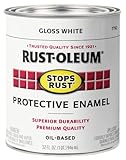
8. Rust-Oleum Stops Rust Protective Enamel — Best for Suitable Non-Galvanized Metal Parts
As an Amazon Associate I earn from qualifying purchases. This article contains affiliate links. If you buy through these links, I may earn a commission at no extra cost to you.
Rusty hinges, steel brackets, or a non-galvanized metal frame need a different coating from a wooden wall. Rust-Oleum Stops Rust is an oil-based enamel made to protect metal and resist corrosion, chipping, and fading.
There is an important catch for your coop: the current Rust-Oleum technical data says this product is not for galvanized steel. So if your run uses galvanized hardware cloth or galvanized chicken wire, this is not a blanket coating recommendation. Match the paint to the exact metal you need to protect.
- Features: Oil-based protective enamel; rust prevention; indoor/outdoor use on suitable surfaces.
- Pros: Appropriate for many rusty or bare non-galvanized metal parts after correct prep.
- Cons: Not for galvanized steel; stronger solvent precautions than water-based paint.
- Best for: Suitable steel brackets, hinges, gates, and non-galvanized metal components.
Check Rust-Oleum Stops Rust on Amazon
9. Heirloom Traditions ALL-IN-ONE Paint — Best Decorative All-in-One Option

As an Amazon Associate I earn from qualifying purchases. This article contains affiliate links. If you buy through these links, I may earn a commission at no extra cost to you.
If you want to freshen a small coop door, trim panel, or decorative accent, you may not want a full primer-plus-paint system. Heirloom Traditions markets this acrylic coating as an all-in-one formula intended to simplify preparation on many household surfaces, including outdoor projects.
For your coop, this fits decorative and light-duty areas better than every square foot of a working interior. Surfaces that take repeated scraping, manure contact, or heavy washing deserve a finish chosen specifically for that exposure.
- Features: Acrylic all-in-one formula; intended for multiple household surfaces and outdoor projects.
- Pros: Convenient for trim and color accents; broad color range.
- Cons: Not a livestock-specific coating; not the strongest fit for an entire working-coop interior.
- Best for: Doors, trim, signs, and decorative exterior details.
Check Heirloom Traditions ALL-IN-ONE Paint on Amazon
10. THE ONE Paint & Primer — Best for Small Projects and Touch-Ups

As an Amazon Associate I earn from qualifying purchases. This article contains affiliate links. If you buy through these links, I may earn a commission at no extra cost to you.
If you only need to repaint the outside of a nesting box, a trim board, or a small worn patch, buying a large can can create more waste than value. THE ONE is a water-based multi-surface paint sold in smaller sizes and intended for surfaces including wood and metal.
This works best when your job is clearly small. The convenience is the point. If you are repainting a full exterior wall or a weather-beaten shed, a purpose-built exterior coating is a better fit.
- Features: Water-based multi-surface paint and primer; small-container format.
- Pros: Handy for small areas and color changes.
- Cons: Poor value for a large coop; not poultry-specific.
- Best for: Touch-ups, trim boards, small doors, and decorative details.
Check THE ONE Paint & Primer on Amazon
What Paint Is Safe to Use Around a Chicken Coop?
There is no useful rule that says every water-based paint is automatically “chicken-safe,” or that every oil-based coating is automatically unsafe after cure. Product chemistry, the surface, ventilation, curing, and how birds can contact the coating all matter.
The strongest product-specific statement in this list comes from KILZ: its current Siding, Fence & Barn technical data sheet says the dry film will not harm livestock. Do not assume the same statement applies to another brand unless that manufacturer says so.
For the rest, use the label and technical sheet as your guide. Keep birds away during scraping, sanding, painting, and drying. Ventilate the area well. Do not put chickens back into a freshly coated enclosed coop just because the surface feels dry to your finger.
Good airflow matters every day, not just on paint day. If your coop stays damp or smells of ammonia, read ChickenJournal’s guide to chicken coop ventilation before trying to solve the problem with another coating.
Paint Does Not Disinfect a Chicken Coop
Paint should not be treated like a disinfectant.
A smooth, intact painted surface can be easier to wipe than splintered raw wood. That is a maintenance advantage. But painting over manure, dust, mites, mold, or contaminated material does not make the underlying sanitation problem disappear.
Clean the coop first. Remove dirty bedding, scrape off stuck debris, correct moisture problems, and let surfaces dry before coating them. Paint is the finish layer, not the cleaning step.
Interior vs. Exterior Chicken Coop Paint
Exterior walls: Prioritize weather resistance, adhesion to the actual wood or siding, and a coating rated for outdoor exposure.
Interior walls: A washable water-based finish is easier to live with than a delicate decorative coating. Keep birds out until the coating has dried and the space has aired out according to the product directions.
Doors and trim: Door enamel or a durable multi-surface paint makes sense because these parts get handled and bumped frequently.
Bare exterior wood: A penetrating stain/sealer may be a better choice if you want to keep the natural grain visible.
Metal: Identify whether the metal is ordinary steel, aluminum, galvanized steel, or something else before choosing a primer and topcoat. Do not assume one rust paint works on every wire or panel.
Should You Paint Hardware Cloth or Chicken Wire?
If your hardware cloth is factory-galvanized and still in good condition, it is usually better to leave that protective finish alone unless you have a specific repair reason and a coating system made for galvanized metal.
Standard hardware cloth and chicken wire often arrive with a galvanized zinc coating that already provides corrosion protection. Some metal paints do not adhere correctly to that surface without special preparation, and Rust-Oleum’s Stops Rust brush-on technical sheet specifically says not to use it on galvanized steel.
If an old section is badly rusted, replacement may make more sense than painting over weakened wire—especially where the mesh is part of the predator barrier.
How to Paint a Chicken Coop Without Making a Mess of It
- Move the chickens out. Keep birds, feed, waterers, and removable equipment away from sanding dust, paint splatter, and fumes.
- Clean before you prep. Remove manure, dust, cobwebs, loose bedding, grease, and dirt.
- Check the old coating. Peeling or failing paint needs appropriate preparation before recoating.
- Let wood dry. Painting damp wood is an easy way to shorten the life of the job.
- Follow the product’s surface instructions. Some products want primer; some stains need bare wood; some coatings are not compatible with galvanized metal.
- Use thin, even coats. More paint in one pass is not the same as a better finish.
- Give it real drying time. Temperature and humidity can extend drying and curing.
- Ventilate the coop. Open doors and vents so fresh air can move through while the coating dries.
- Return birds only after the coating is dry and the space is properly aired out. Use the manufacturer’s current instructions rather than guessing.
Be Careful When Sanding an Older Painted Coop
If you are repainting a genuinely old structure, do not attack unknown old paint with a power sander and assume the dust is harmless. The U.S. EPA warns that sanding, scraping, drilling, and similar work can create hazardous lead dust when older lead-based coatings are present.
Keep chickens away from the work area and do not let paint chips or sanding dust fall into bedding, soil where birds forage, feeders, or water. If lead paint may be involved, follow EPA lead-safe renovation guidance rather than using ordinary prep methods.
What Color Should You Paint a Chicken Coop?
Color is mostly a design choice, so you do not need to chase a special “chicken color.” Match the house, go with classic barn red, keep natural wood visible, or use a lighter palette if that suits your yard.
In very sunny areas, a lighter exterior color can absorb less solar energy than a very dark surface, but paint color alone will not solve heat stress in your flock. Shade, drinking water, and airflow matter far more. ChickenJournal’s guide on keeping chickens cool in summer covers those basics.
For appearance ideas, see these chicken coop decor ideas. Just keep decoration secondary to ventilation, predator protection, cleaning access, and safe construction.
How to Choose Between Paint, Stain, and Clear Coat
Choose paint when you want opaque color and surface coverage.
Choose stain when you have appropriate bare exterior wood and want the grain to remain visible.
Choose a clear topcoat when the existing stain or darker painted finish is already the look you want and the manufacturer rates the product for that surface and exposure.
Do not stack products just because more layers sound more protective. Compatibility matters. A penetrating stain cannot do its job through an old paint film, and some clear finishes can change the appearance of very light paint.
Final Verdict
If the outside of your chicken coop is traditional wood siding or plywood, the KILZ Siding, Fence & Barn Paint is the strongest overall match in this list. Its intended use fits exterior vertical wood, and KILZ is unusually clear about the dry film in livestock settings.
If your main problem is an interior wall that is difficult to wipe clean, Zinsser PERMA-WHITE Interior Paint is the more logical type of coating. If you are refreshing your coop door or trim instead, Modern Masters Front Door Paint fits that job better than a broad wall paint.
If your coop is unfinished exterior wood and you want to keep that natural look, the Ready Seal Exterior Wood Stain & Sealer gives you a different route altogether.
The easiest way to choose well is to start with the surface in front of you. Match the coating to your coop’s wood, metal, interior wall, door, or bare timber—and to the weather and cleaning that surface actually has to handle.
FAQs About Painting a Chicken Coop
What kind of paint is best for the outside of a chicken coop?
Use an exterior coating rated for the actual surface, usually wood siding or plywood on a backyard coop. KILZ Siding, Fence & Barn Paint is especially relevant because it is intended for exterior vertical wood surfaces and its technical sheet states that the dry film will not harm livestock.
Can I paint the inside of a chicken coop?
Yes, but move the chickens out while you prepare and paint the area. Choose a coating intended for interior use, ventilate well, and follow the manufacturer’s drying and curing instructions before returning birds.
Does painting a chicken coop disinfect it?
No. Paint can make a sound surface easier to wipe down, but it does not replace cleaning, moisture control, or proper disinfection when needed. Remove manure, bedding, dust, and debris before painting.
Should I use water-based or oil-based paint on a chicken coop?
Choose according to the surface and the product’s intended use rather than relying only on the water-based versus oil-based label. Water-based coatings are often easier to clean up and lower odor, while some exterior stains and metal enamels are oil-based. Ventilation and full drying still matter with either type.
Can I paint galvanized hardware cloth?
Do not assume ordinary metal paint is compatible with galvanized wire. Some coatings require special galvanized-metal preparation, and Rust-Oleum Stops Rust brush-on enamel specifically says not to use it on galvanized steel. Replacement is often better when predator-proof wire is badly rusted.
How long should chickens stay out after painting?
There is no single time that fits every product. Drying and curing vary with the formula, temperature, humidity, surface, and number of coats. Follow the current label or technical sheet and keep the coop ventilated until the coating is dry and the space has aired out properly.
Can I stain a chicken coop instead of painting it?
Yes, especially on suitable bare exterior wood when you want the grain to remain visible. A penetrating stain such as Ready Seal is different from paint and needs a surface it can penetrate; it should not simply be applied over intact old paint.
Sources and Further Reading
- KILZ — Siding, Fence & Barn Paint
- Rust-Oleum — Painter’s Touch Ultra Cover Brush-On Paint
- Rust-Oleum Zinsser — PERMA-WHITE Interior Paint
- Rust-Oleum — Stops Rust Protective Coatings
- General Finishes — Exterior 450 Topcoat
- Heirloom Traditions — ALL-IN-ONE Paint
- U.S. EPA — Lead-Safe Renovations for DIYers
